
Unit 7: Properties of Matter — Notes
7.1 Kinetic Molecular Model Of Matter
7.2 Density
Long Questions
Q1. Explain different states of matter on the basis of kinetic molecular theory. (LHR 2013)
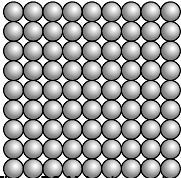
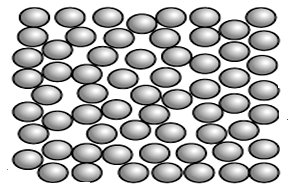
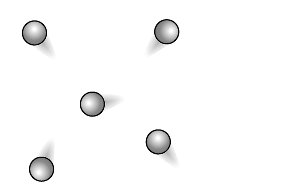
Kinetic molecular model is used to explain the three states of matter – solid, liquid, and gas.
Solid:
Solids have fixed shapes and volume. Their molecules are held close together by strong forces of attraction. However, they vibrate about their mean positions but do not move from place to place.
Examples:
Examples of solids are stone, metal spoon, pencil etc.
Liquids:
The distances between the molecules of a liquid are more than in solids. Thus, attractive forces between them are weaker. Like solids, molecules of a liquid also vibrate about their mean position but are not rigidly held with each other. Due to the weaker attractive forces, they can slide over one another. Thus, the liquids can flow. The volume of a certain amount of liquid remains the same but because it can flow hence; it attains the shape of a container to which it is put.
Examples:
Examples of liquids are milk, and liquid water etc.
Gases:
Gases such as air have no fixed shape or volume. They can be filled in any container of any shape. Their molecules have random motion and move with very high velocities. In gases, molecules are much farther apart than solids or liquids. Thus, gases are much lighter than solids and liquids. They can be squeezed into smaller volumes.
Examples:
Oxygen, Nitrogen and Carbon dioxide are examples of gases.
Pressure of Gases:
The molecules of a gas are constantly striking the walls of a container. Thus, a gas exerts pressure on the walls of the container.
Plasma (LHR 2017)
The kinetic energy of gas molecules goes on increasing if a gas is heated continuously. This causes the gas molecules move faster and faster. The collisions between atoms and molecules of the gas become so strong that they tear off the atoms. Atoms lose their electrons and become positive ions. This ionic state of matter is called plasma.
Plasma in Discharge Tubes:
Plasma is also formed in gas discharge tubes when electric current passes through these tubes.
Plasma – The Fourth State of Matter:
Plasma is also called the fourth state of matter in which gas occurs in its ionic state. Positive ions and electrons get separated in the presence of electric and magnetic field. Plasma also exists in neon and fluorescent tubes when they glow.
Universe Formation:
Most of the matter that fills the universe is in plasma state. In stars such as our sun, gases exist in their ionic state.
Plasma Good Conductor:
Plasma is highly conducting state of mater. It allows electric current to pass through it.
Short Questions
Q1. What happens when we heat a gas?
EFEECT OF HEAT ON GAS
The kinetic energy of gas molecules goes on increasing if a gas is heated continuously. This causes the gas molecules move faster and faster. The collisions between atoms and molecules of the gas become so strong that they tear off the atoms. Atoms lose their electrons and become positive ions. This ionic state of matter is called plasma.
Q2. How can a liquid flow?
FLOW OF LIQUIDS
The distance between the molecules of a liquid is more than in solids. Thus, attractive forces between them are weaker. Like solids, molecules of a liquid also vibrate about their mean position but are not rigidly held with each other. Due to the weaker attractive forces, they can slide over one another. Thus, the liquids can flow.
Q3. Why does a gas exert pressure?
GASEOUS PRESSURE
Gaseous molecules have random motion and move with very high velocities. They collide with one another and with the walls of container hence they exert pressure.
Q4. What is Kinetic molecular theory? Write down its postulates. (LHR 2013)
KINETIC MOLECULAR MODEL
Most of the properties of solids, liquids, and gases can be explained on the basis of the intermolecular forces that has been explained by Kinetic molecular model. Kinetic molecular model has some important features.
Matter is made up of particles called molecules.
The molecules remain in continuous motion. The motion of molecules could be linear, vibrational, or rotational.
The molecules attract each other.
Q5. What is plasma? (GRW 2013)
PLASMA
The kinetic energy of gas molecules goes on increasing if a gas is heated continuously. This causes the gas molecules move faster and faster. The collisions between atoms and molecules of the gas become so strong that they tear off the atoms. Atoms lose their electrons and become positive ions. This ionic state of matter is called plasma.
Q6. Define density. Write its formula and unit? (LHR 2013, 2107)
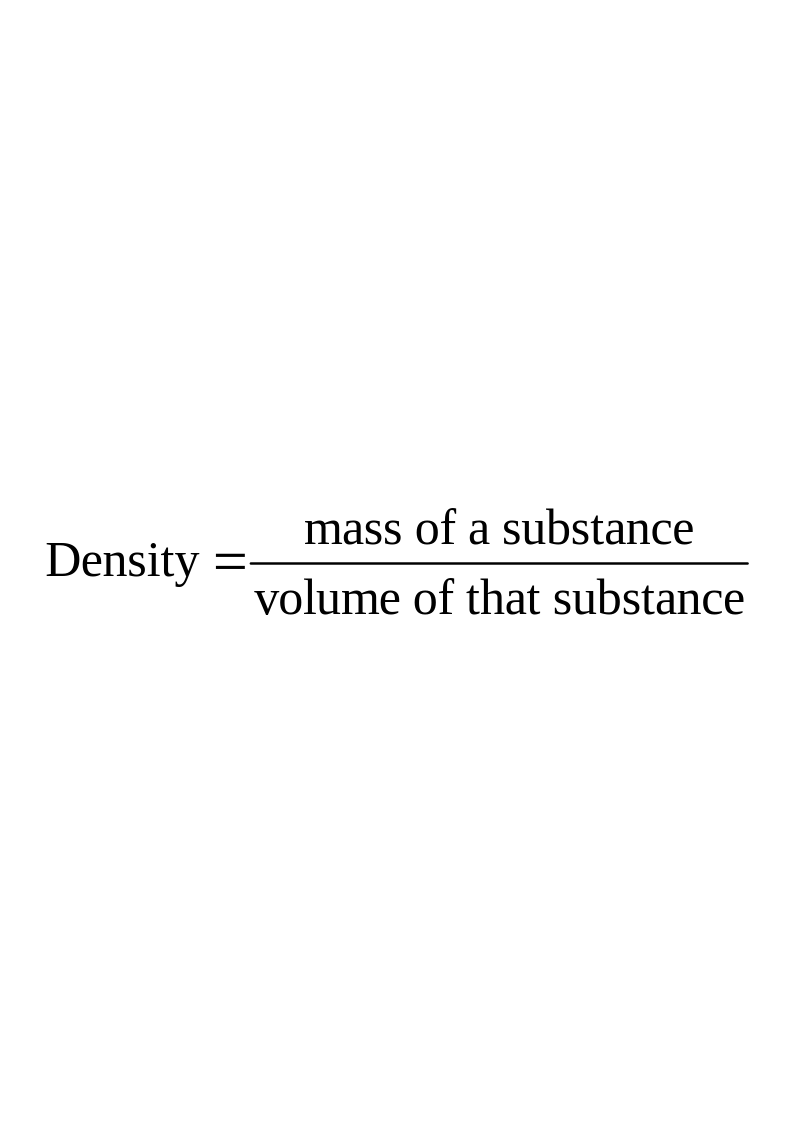
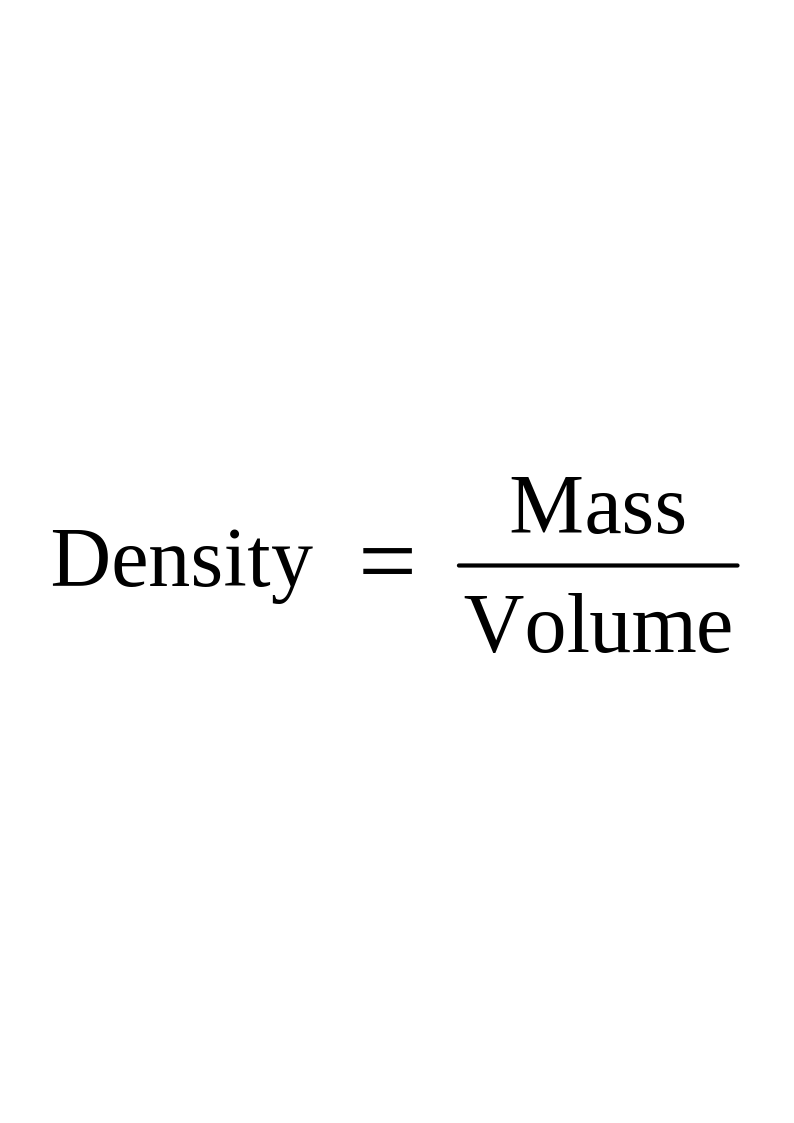
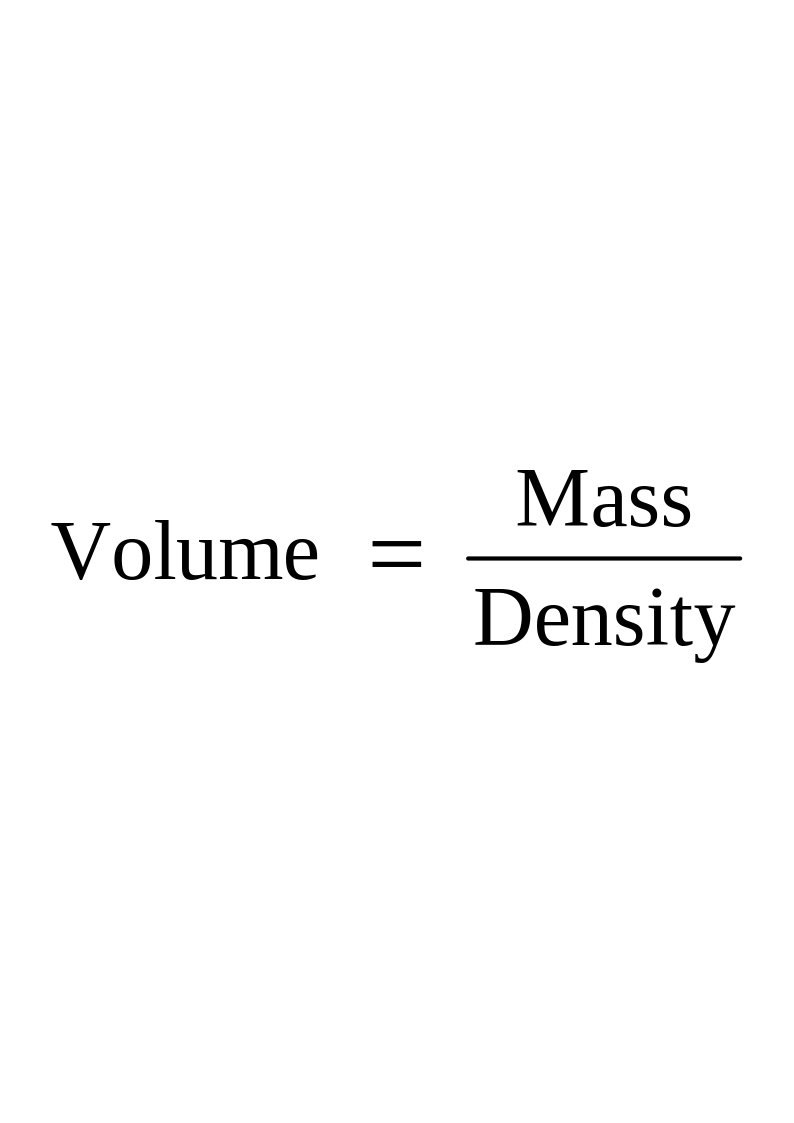
DENSITY
Definition:
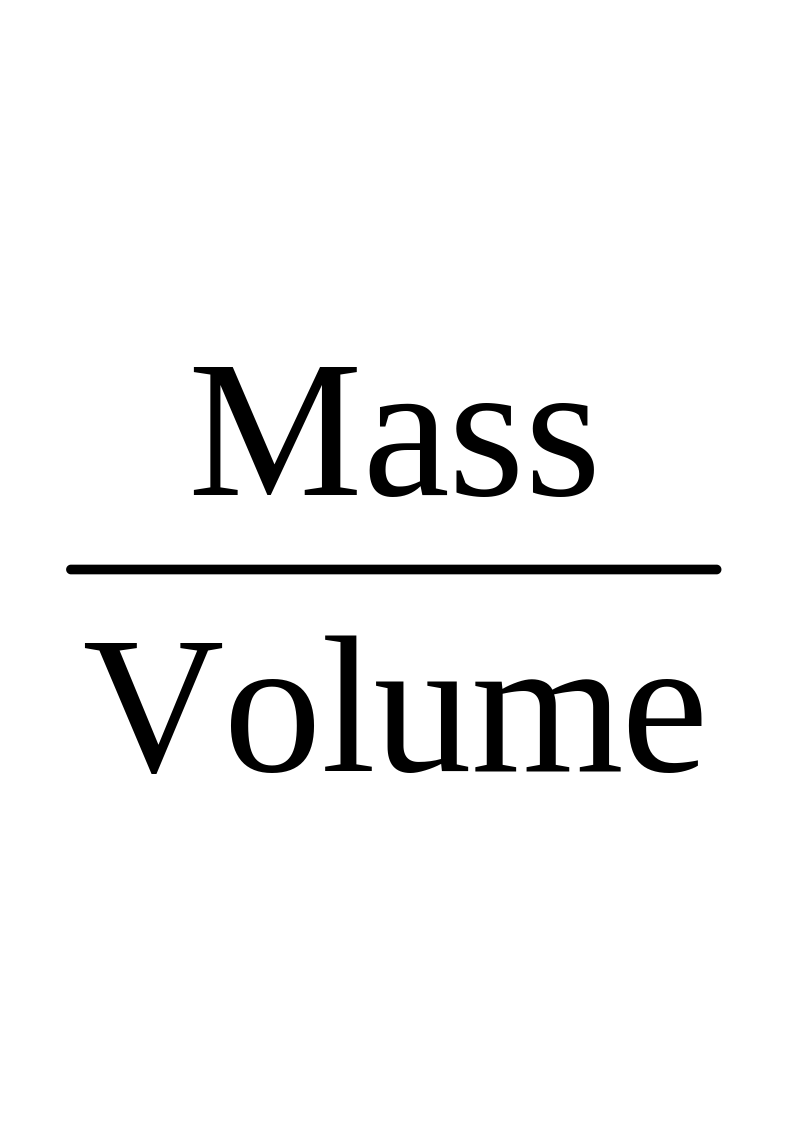
“Density of a substance is defined as its mass per unit volume.”
Formula:
Unit:
SI unit of density is kilogramme per cubic meter (kg m-3).
Density Equations:
Mass = Density x Volume
Q7. Find density of 5 litre of water.
Given Data:
As 1 litre of water = 1kg of water
So Mass of water = m =5 kg
Volume of water = V = 5 litre = 510-3 m3
To Find:
Q8. Density of Water = d =?
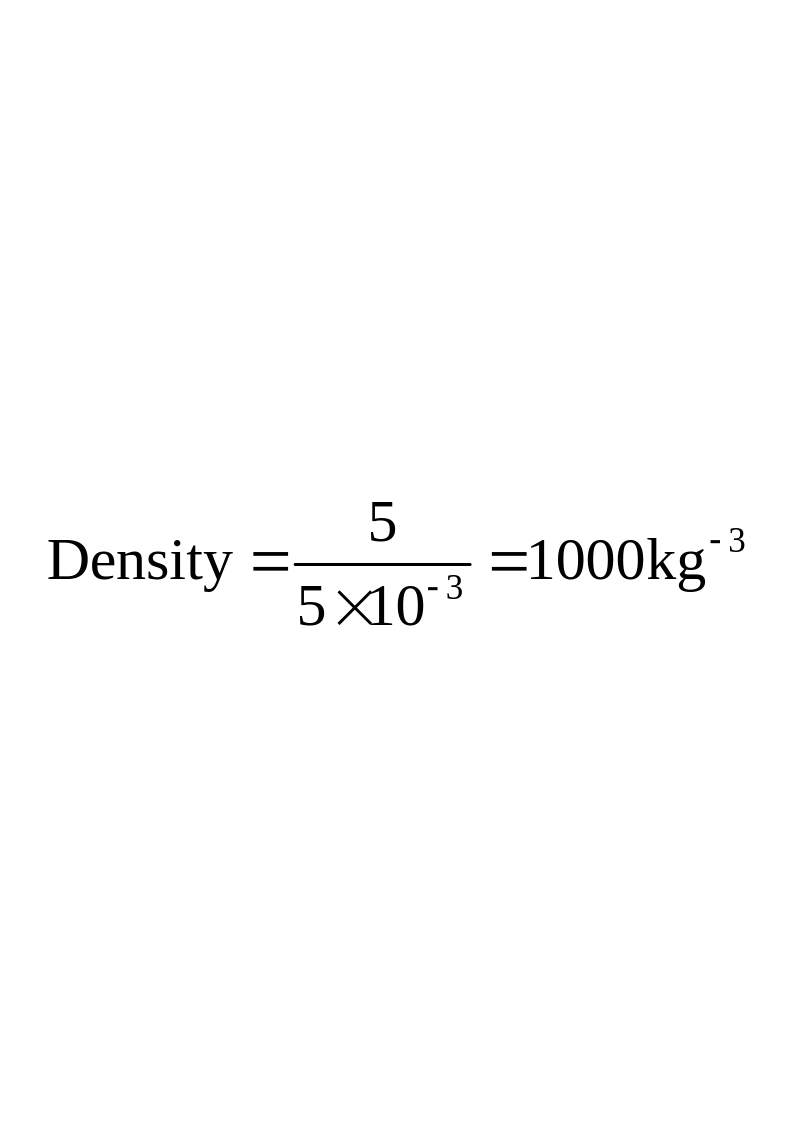
We know
Putting values
Results:
Q9. What do you know about density of the Earth’s atmosphere?
DENSITY OF THE EARTH’S ATMOSPHERE
Earth’s atmosphere extends upward about a few hundred kilometres with continuously decreasing density. Nearly half of its mass is between sea level and 10 km. Up to 30 km from sea level contains about 99% of the mass of the atmosphere. The air becomes thinner and thinner as we go up.
EXAMPLE 7.1
Q10. The mass of 200 cm3 of stone is 500 g. Find its density.
Given Data:
Mass of stone = m =500 g
Volume of water = V = 200 cm3
To Find:
Q11. Density of stone = d = ?
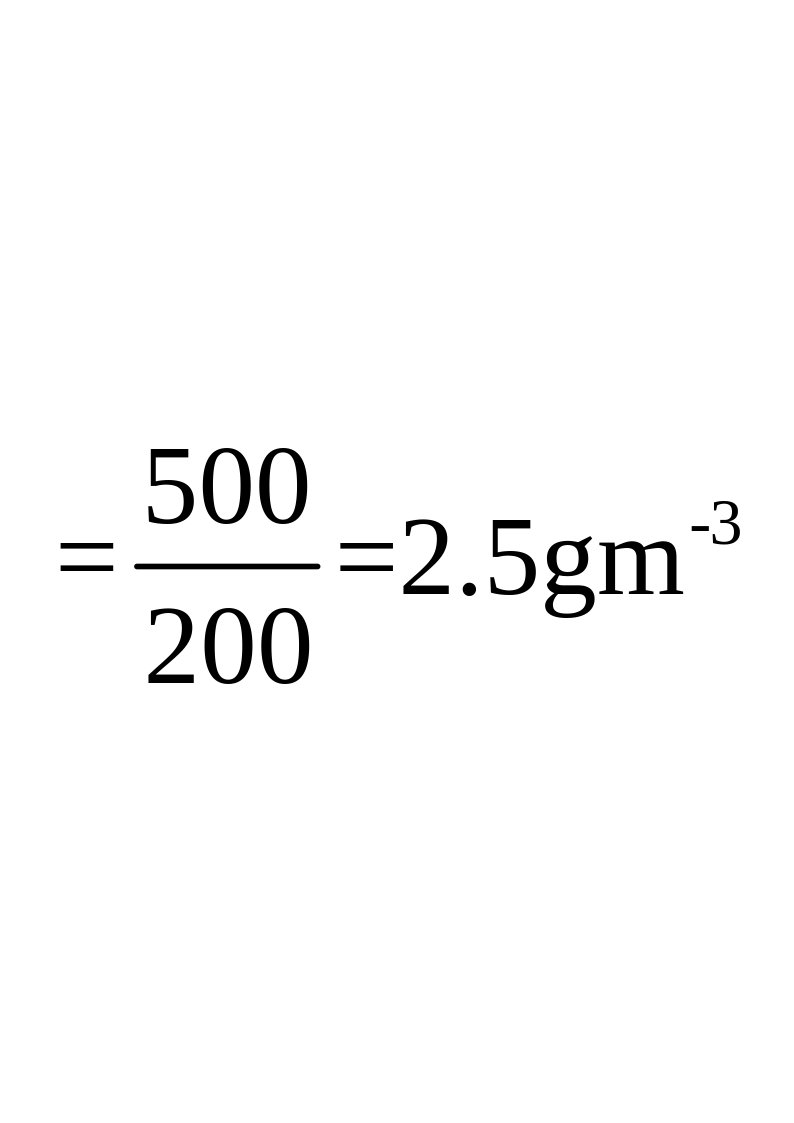
We know
Putting values
Density
Result:
7.3 Pressure
7.4 Atmospheric Pressure
Long Questions
Q1. What is atmospheric pressure? And explain atmospheric pressure with the help of an experiment. OR Show that atmosphere exert pressure. (Ex. 7.7)

ATMOSPHERIC PRESSURE
Definition:
“The earth is surrounded by a cover of air is called atmosphere.”
Atmosphere extends to a few hundred kilometers above sea level. Just as certain sea creatures live at the bottom of ocean, we live at the bottom of a huge ocean of air.
Atmospheric Pressure Decreases With Height:
Air is the mixture of gases. The density of air in the atmosphere is not uniform. It decreases continuously as we go up due to this reason atmospheric pressure decreases with height. The atmospheric pressure at sea level is greater as compared to hilly areas.
Atmospheric Pressure Acts in All Directions:
Atmospheric pressure acts in all directions.
Examples:
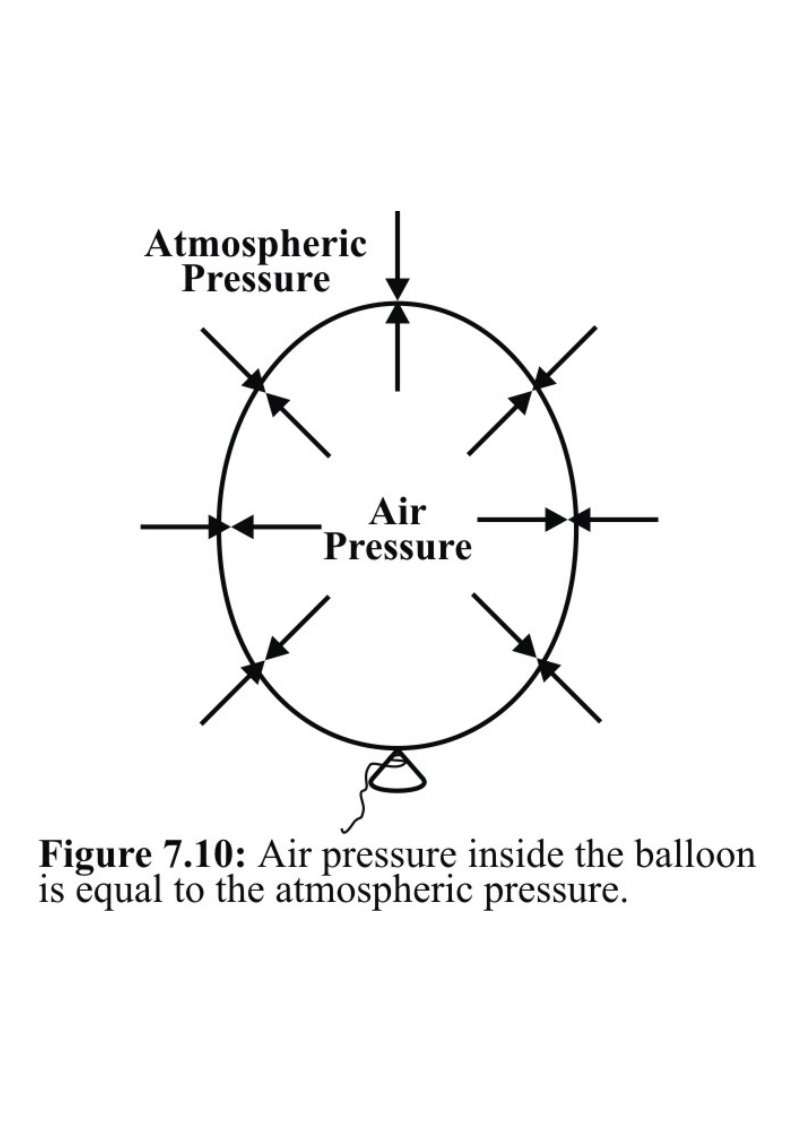
Soap bubbles expand till the pressure of air in them is equal to the atmospheric pressure. Soap bubbles so formed have spherical shapes because the atmospheric pressure acts on a bubble equally in all directions.
A balloon expands as we fill air into it. The balloon will expand in all directions it is because of the fact that atmospheric pressure acts in all directions equally as shown in the figure.
Experiment:
The fact that atmosphere exerts pressure can be explained by simple experiment.
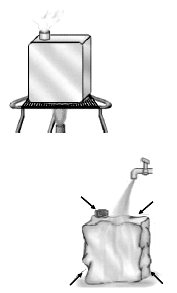
Take an empty tin can with a lid.
Open its cap and put some water in it. Place it over flame.
Wait till water begins to boil and the steam expels the air out of the can.
Remove it from the flame.
Close the can firmly by its cap.
Now place the can under tape water as shown in the figure:
Observations:
The can will squeeze due to atmospheric pressure.
Reasons:
Q2. When the can is cooled by tap water, the steam in it condenses. As the steam changes into water, it leaves an empty space behind it. This lowers the pressure inside the can as compared to the atmospheric pressure outside the can. This will cause that can to collapse from all directions. This experiment shows that atmosphere exerts pressure in all directions. Which device is used to measure the atmospheric pressure? Explain the measurement of atmospheric pressure by using barometer.
MEASUREMENT OF ATMOSPHERIC PRESSURE
Introduction:
At sea level, the atmospheric pressure is about 101,300 Pa or 101,300 Nm-2. The instruments that measure atmospheric pressure are called barometers. One of the simple barometers is a mercury barometer. Its construction and working is given below:
Construction:
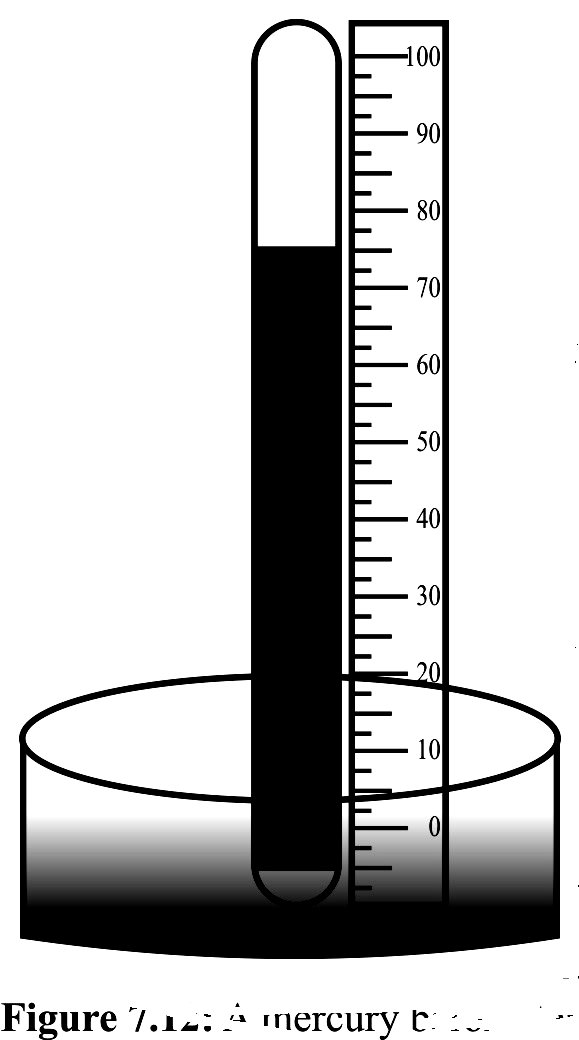
It consists of a glass tube 1m long closed at one end. After filling it with mercury, it is inverted in a mercury trough. Mercury in the tube descends and stops at a certain height as shown in the figure:
Working:
The column of mercury held in the tube exerts pressure at its base. At sea level the height of mercury column above the mercury in the trough is found to be about 76 cm. Pressure exerted by 76 cm of mercury column is nearly 101,300 Nm-2 equal to atmospheric pressure. It is common to express atmospheric pressure in terms of the height of mercury column. As the atmospheric pressure at a place does not remains constant, hence, the height of mercury column also varies with atmospheric pressure.
Mercury in Barometer Instead of Water:
Mercury is 13.6 times denser than water. Atmospheric pressure can hold vertical column of water about 13.6 times the height of mercury column at a place. Thus, at sea level, vertical height of water column would be 0.76 m x 13.6 = 10.34 m. Thus, a glass tube more than 10 m long is required to make a water barometer that is difficult to handle and manage practically. So water is not suitable for constructing barometer.
Q3. Write a note on variation in atmospheric pressure.
VARIATION IN ATMOSPHERIC PRESSURE
The atmospheric pressure decreases as we go up due to decrease in the density of the air. The atmospheric pressure on mountains is lower than at sea level. At a height of about 30 km, the atmospheric pressure becomes only 7 mm of mercury which is approximately 1000 Pa. It would become zero at an altitude where there is no air. Thus we can determine the altitude of a place by knowing the atmospheric pressure at that place.
Effect of Weather on Atmospheric Pressure:
Atmospheric pressure may also indicate a change in the weather as:
On a hot day, air above the Earth becomes hot and expands. This causes a fall of atmospheric pressure in that region.
During cold chilly nights, air above the Earth cools down. This causes an increase in atmospheric pressure.
Expected Weather Changes Due to Variation of Atmospheric Pressure:
The changes in atmospheric pressure at a certain place indicate the expected changes in the weather conditions at that place.
Decrease in Atmospheric Pressure:
A gradual and average drop in atmospheric pressure means a low pressure in a neighboring locality.
Minor but rapid fall in atmospheric pressure indicates a windy and showery condition in the nearby region.
A decrease in atmospheric pressure accompanied by breeze and rain.
A sudden fall in atmospheric pressure often followed by a storm, rain and typhoon to occur in few hours’ time.
Increase in Atmospheric Pressure:
An increasing atmospheric pressure with a decline later on predicts an intense weather conditions.
A gradual large increase in the atmospheric pressure indicates a long spell of pleasant weather.
A rapid increase in atmospheric pressure means that it will soon be followed by a decrease in the atmospheric pressure indicating poor weather ahead.
Short Questions
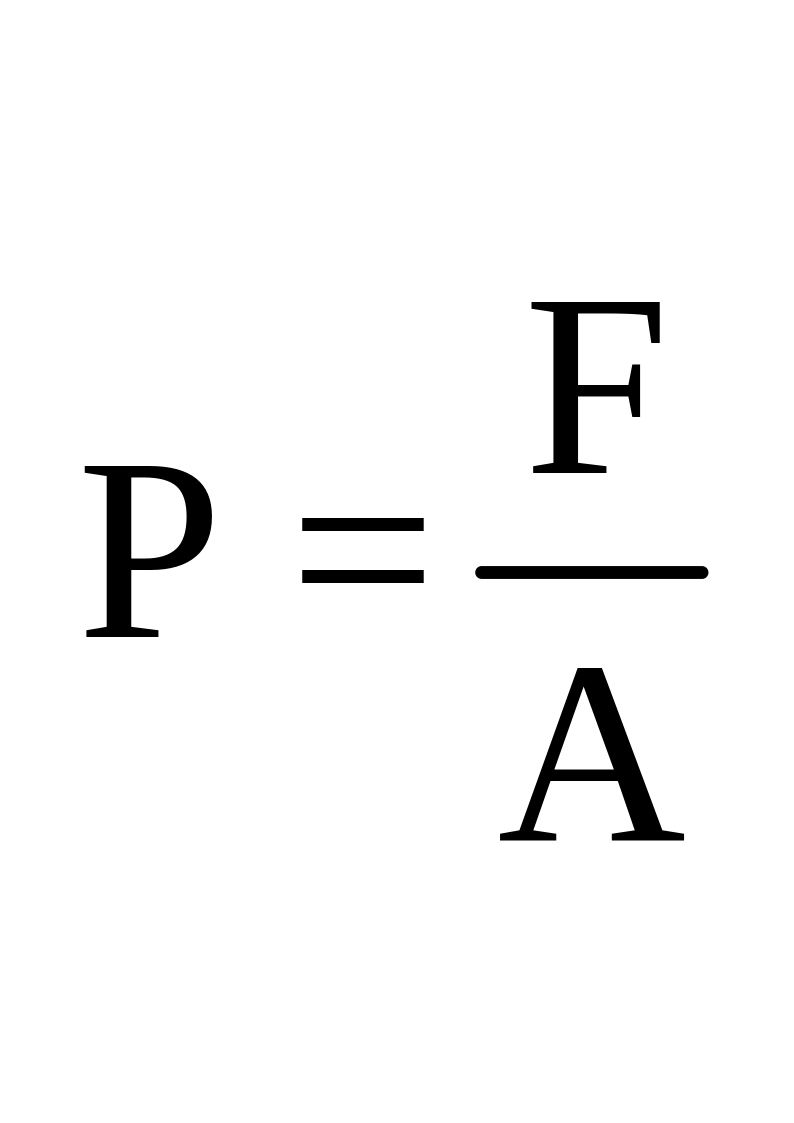
Q1. Define the term pressure write its formula and unit. (GRW 2014)
PRESSURE
Definition:
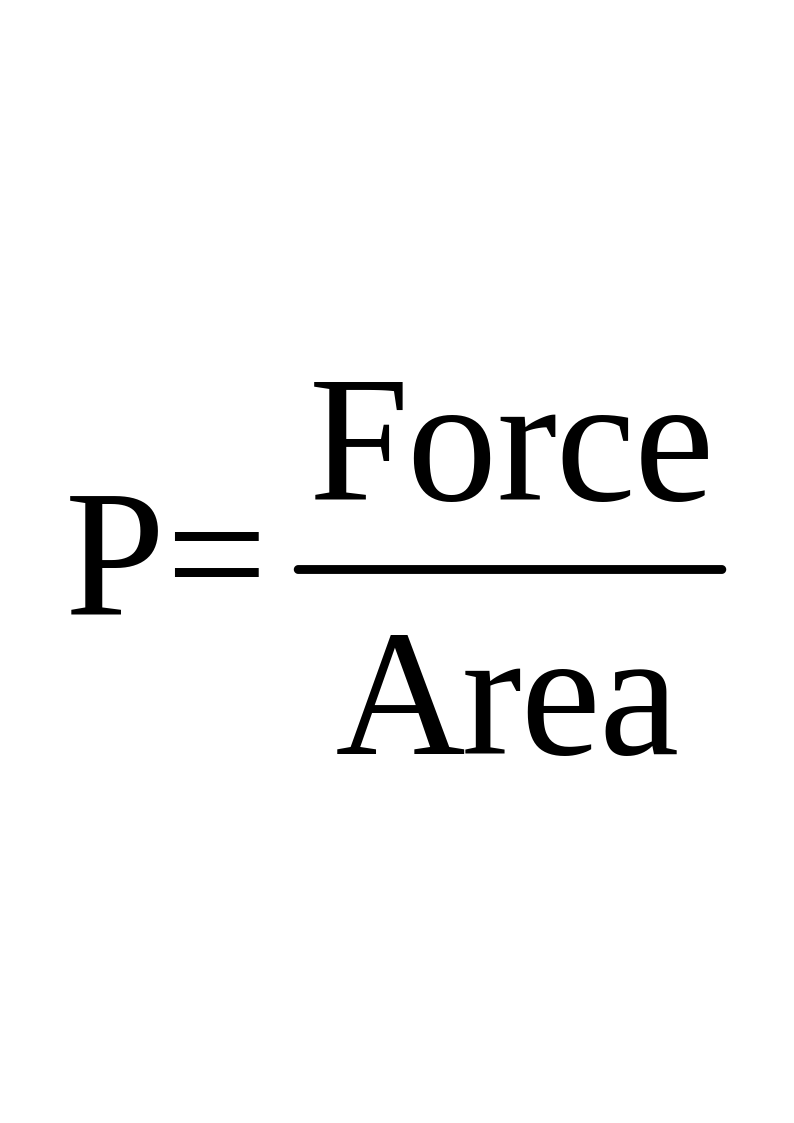
“The force acting normally per unit area on the surface of a body is called pressure.”
Formula:
Or
Quantity:
Pressure is a scalar and derived quantity.
Unit:
In SI units, the unit of pressure is N m-2 also called Pascal (Pa). Thus, 1N m-2 = 1Pa
Q2. Write factors effecting pressure:
FACTORS EFFECTING PRESSURE
As we know
Above relation shows that two factors effect pressure:
Force:
Pressure is directly proportional to force. Greater the force on the surface greater will be the pressure on that surface.
Area:
Pressure is inversely proportional to area. Greater the Area of the surface smaller will be the pressure on that surface.
Example:
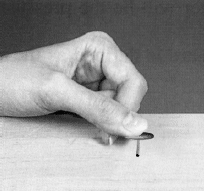
Press a pencil from its ends between the palms. The palm pressing the tip feels much more pain than the palm pressing its blunt end. We can push a drawing pin into a wooden board by pressing it by our thumb. It is because the force we apply on the drawing pin is confined just at a very small area under its sharp tip. A drawing pin with a blunt tip would be very difficult to push into the board due to the large area of its tip. In these examples, we find that the effectiveness of a small force is increased if the effective area of the force is reduced. The area of the tip of pencil or that of the nail is very small and hence increases the effectiveness of the force. The quantity that depends upon the force and increases with decrease in the area on which force is acting is called pressure.
Effect of area on pressure is shown in figure below:
Q3. Write working of vacuum cleaner. (Do you know Pg. # 150)
VACUUM CLEANER
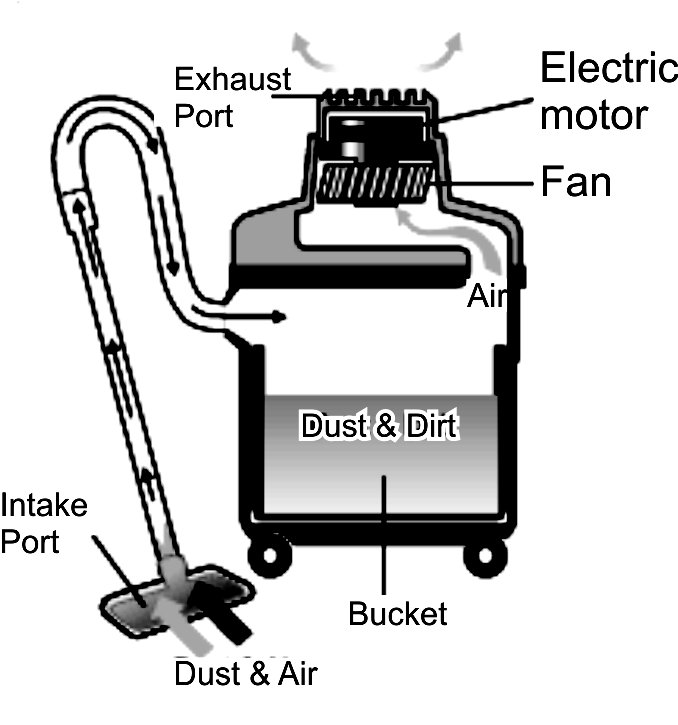
The fan in a vacuum cleaner lowers air pressure in its bucket. The atmospheric air rushes into it carrying dust and dirt with it through its intake port. The dust and dirt particles are blocked by the filter while air escapes out as shown in the figure:
Q4. How do we suck juice with the help of a straw?

SUCKING A LIQUID WITH STRAW
When air is sucked through straw with its other end dipped in a liquid, the air pressure in the straw decreases. This causes the atmospheric pressure to push the liquid up the straw as shown in the figure:
7.5 Pressure In Liquids
Long Questions
Q1. Derive an expression for Pressure in liquids.
PRESSURE IN LIQUIDS
Liquids exert pressure. The pressure of a liquid acts in all directions. If we take pressure sensor (a device that measures pressure) inside a liquid, then the pressure of the liquid varies with the depth of sensor.
Mathematical Derivation:
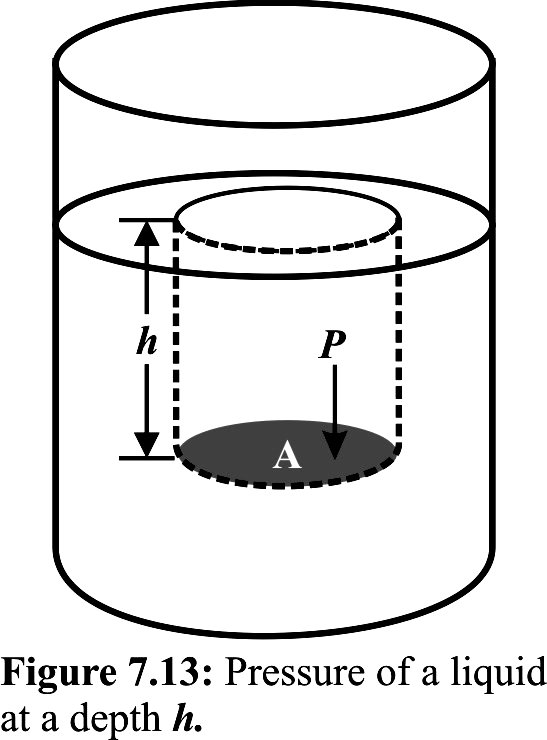
Consider a surface area A in a liquid at a depth h as shown in figure.
The length of the cylinder of liquid over this surface will be h. The force acting on this surface will be the weight w of the liquid above this surface.
If ρ is the density of the liquid and m is mass of the liquid above the surface, then
Mass of the liquid = m = volume x density
= m = (A x h) x ρ
Force acting on area A = F = w = mg
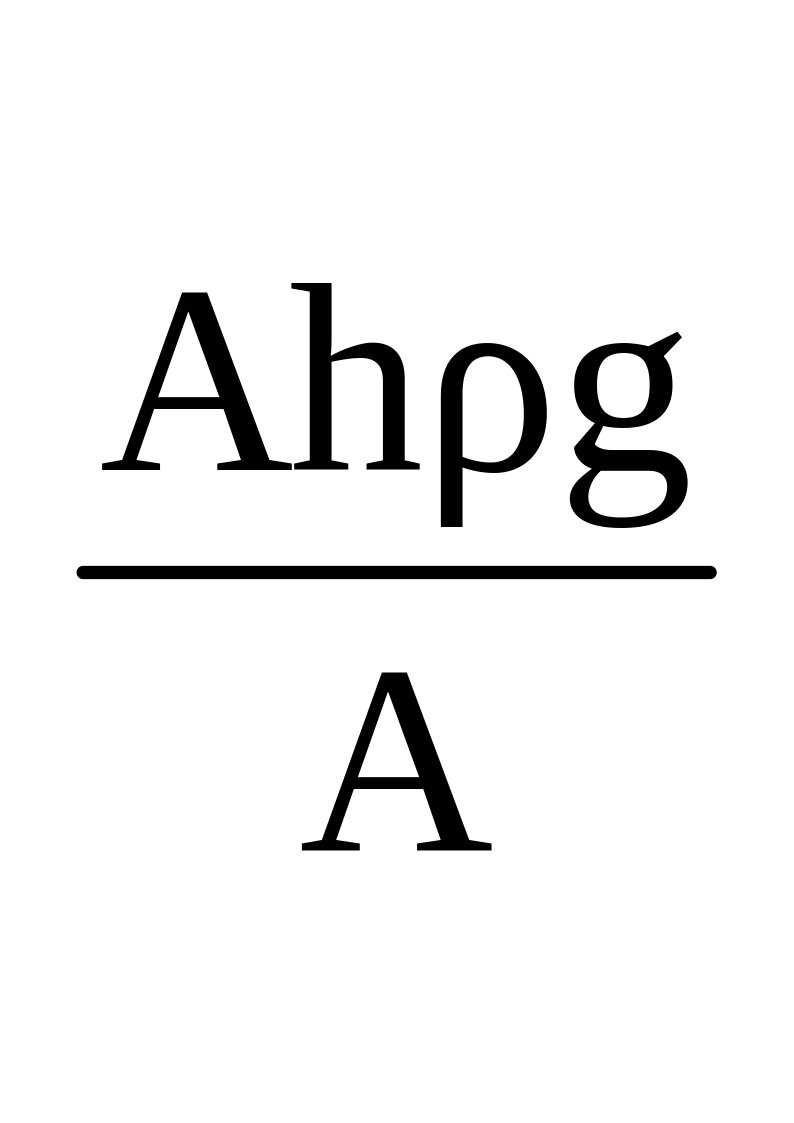
= A h ρ g
As pressure = P = F/A
So =
Therefore, Liquid pressure at depth h =P = ρ g h
The above equation gives the pressure at a depth h in a liquid of density ρ. It show that its pressure in a liquid increases with depth.
Conclusion:
Q2. State and explain Pascal’s law. (GRW 2014,2017, LHR 2017, RWP 2017)
PASCAL’S LAW
Introduction:
An external force applied on the surface of a liquid increases the liquid pressure at the surface of the liquid. This increase in liquid pressure is transmitted equally in all direction and to the walls of the container in which it is filled this result is called Pascal’s law.
Statement:
According to Pascal’s law:
“Pressure applied at any point of a liquid enclosed in a container, is transmitted without loss to all other parts of the liquid.”
Explanation:
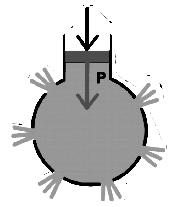
Pascal’s law can be demonstrated with the help of a glass vessel having holes all over its surface as shown in figure.
Fill the glass vessel with water. Push the piston. The water rushes out of the holes in the vessel with the same pressure. The force applied on the piston exerts pressure on water. This pressure is transmitted equally throughout the liquid in all directions.
Applications of Pascal’s Law:
In general, Pascal’s law holds good for fluids both for liquids as well as gases. Pascal’s law finds numerous applications in our daily life such as automobiles, hydraulic brake system, hydraulic jack, hydraulic press and other hydraulic machine.
Q3. What is hydraulic press? Write its construction and working. (GRW 2014,2017)

HYDRAULIC PRESS
Introduction:
Hydraulic press is a machine that works on Pascal’s law. It is used to compress heavy cotton bales for ease in transportation and storing.
Construction:
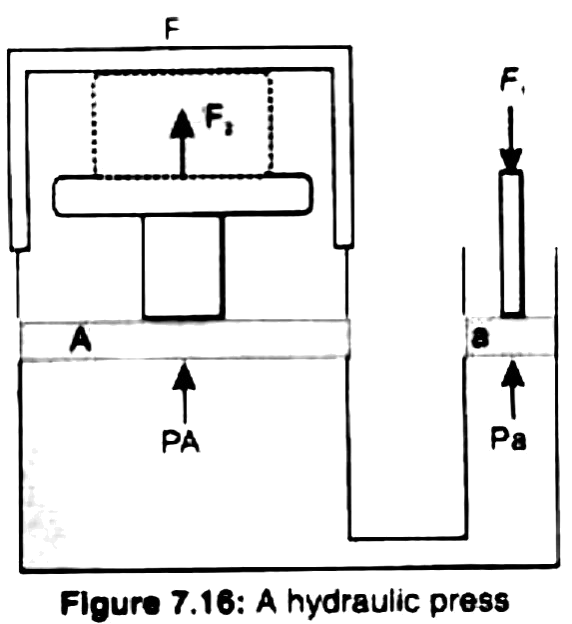
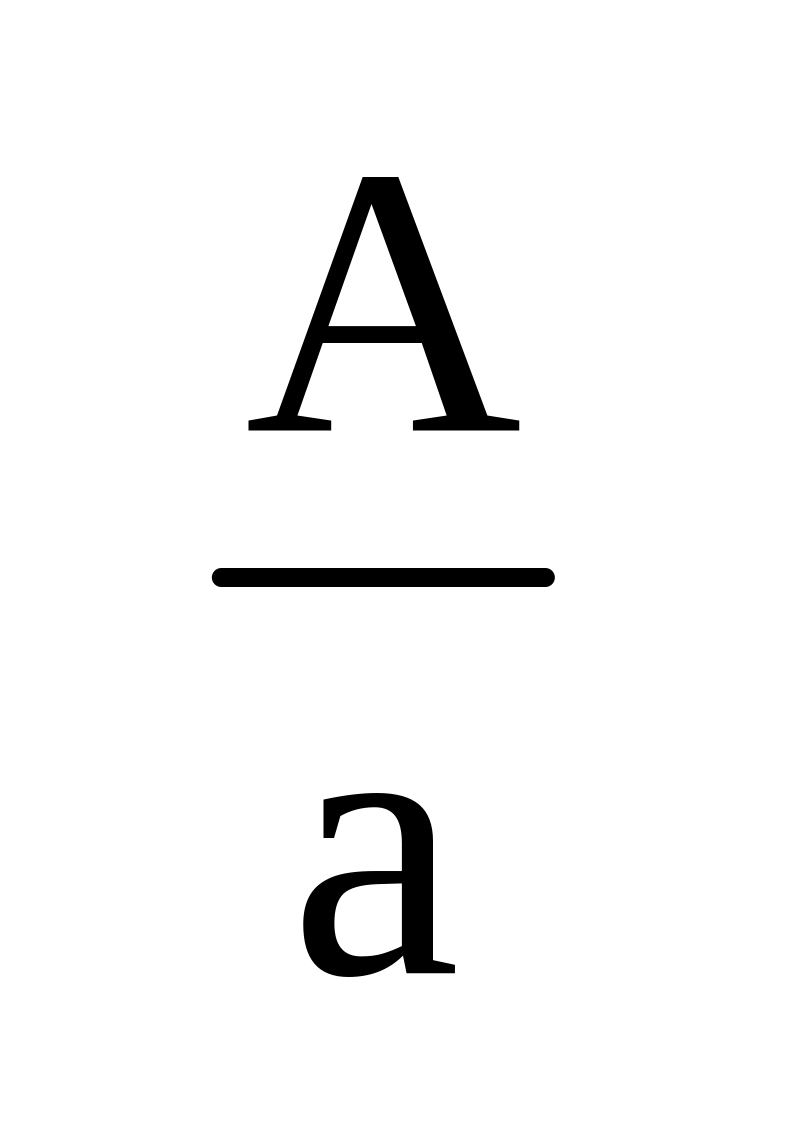
It consists of two cylinders of different cross sectional areas which are fitted with pistons of cross – sectional area a and A as shown in the figure:
Working:
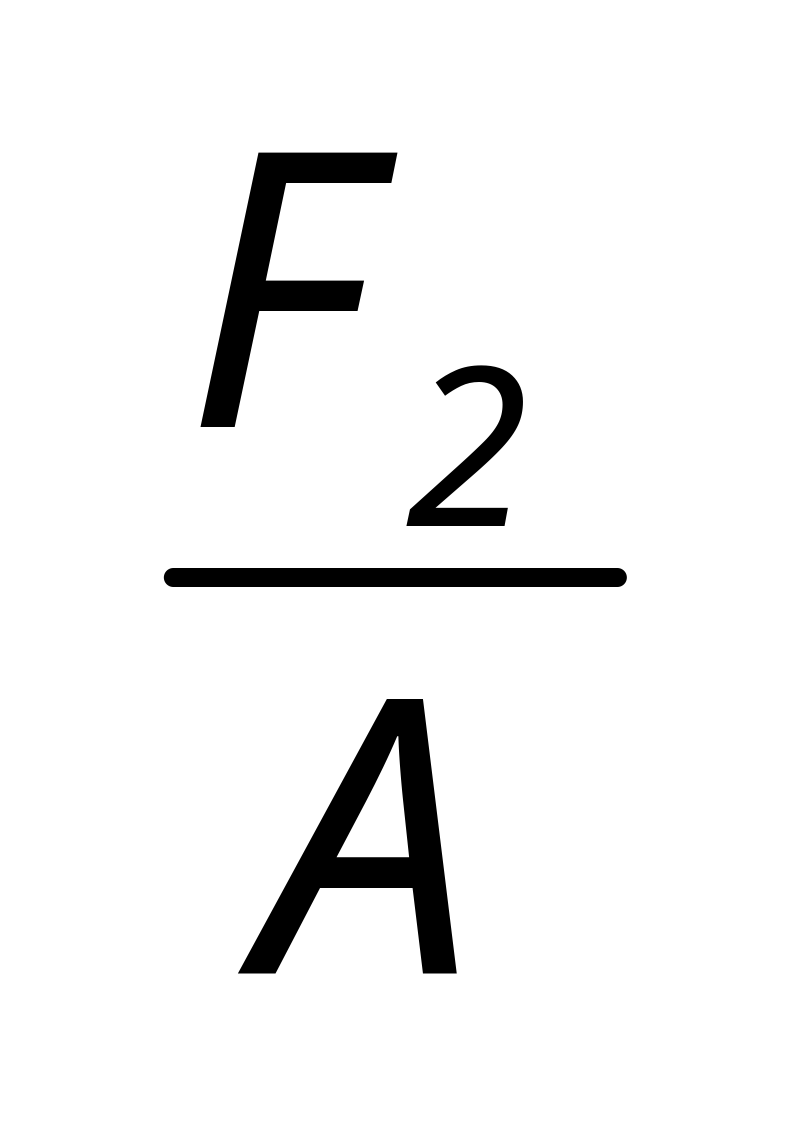
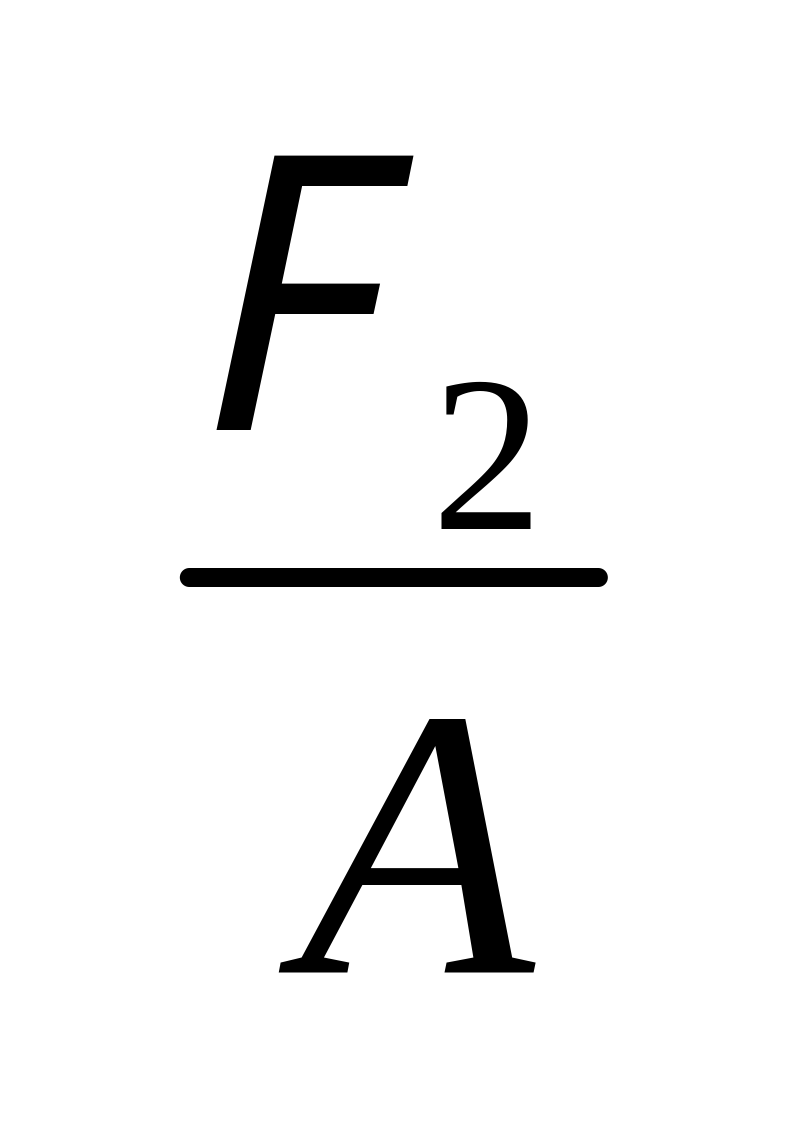
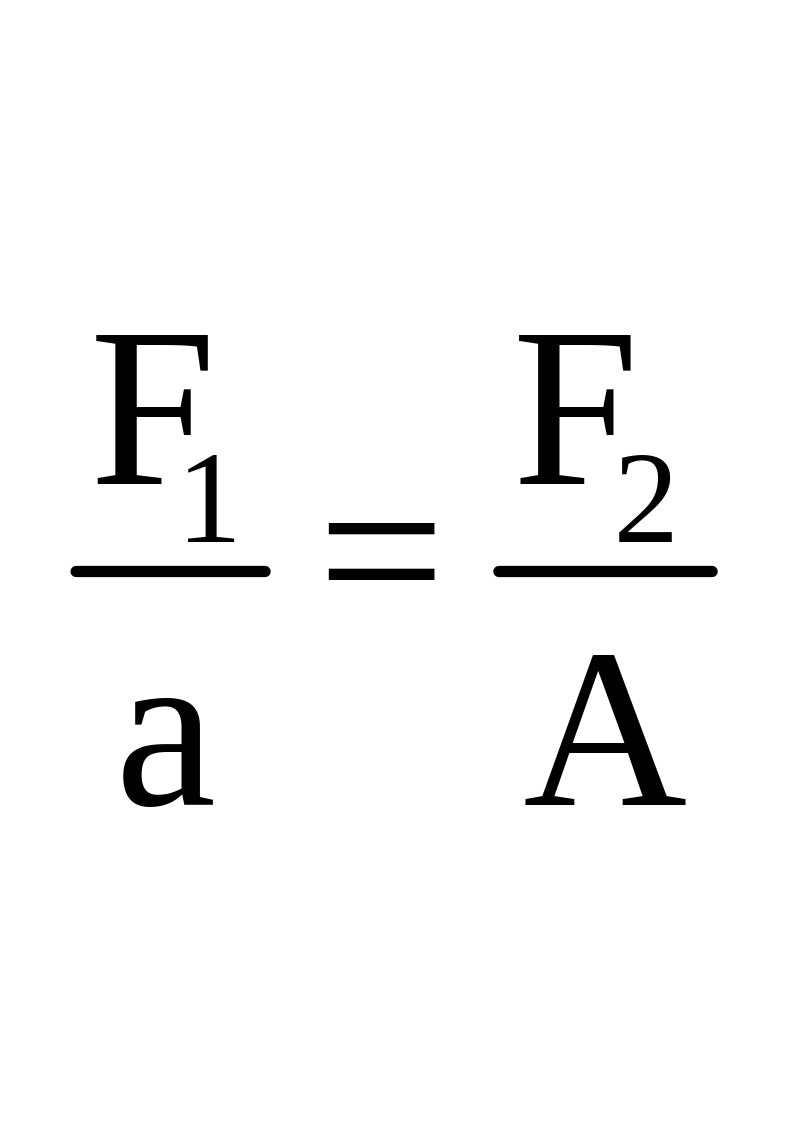
The object is to be compressed is placed over the piston of large cross – sectional area A. The Force F1 is applied on the piston of small cross – sectional area a. The pressure P produced by small piston is transmitted equally through the liquid and acts on the on the large piston and a force F2 acts on A which is much larger than F1.
Mathematical Form:
Pressure on piston of small area a is given by,
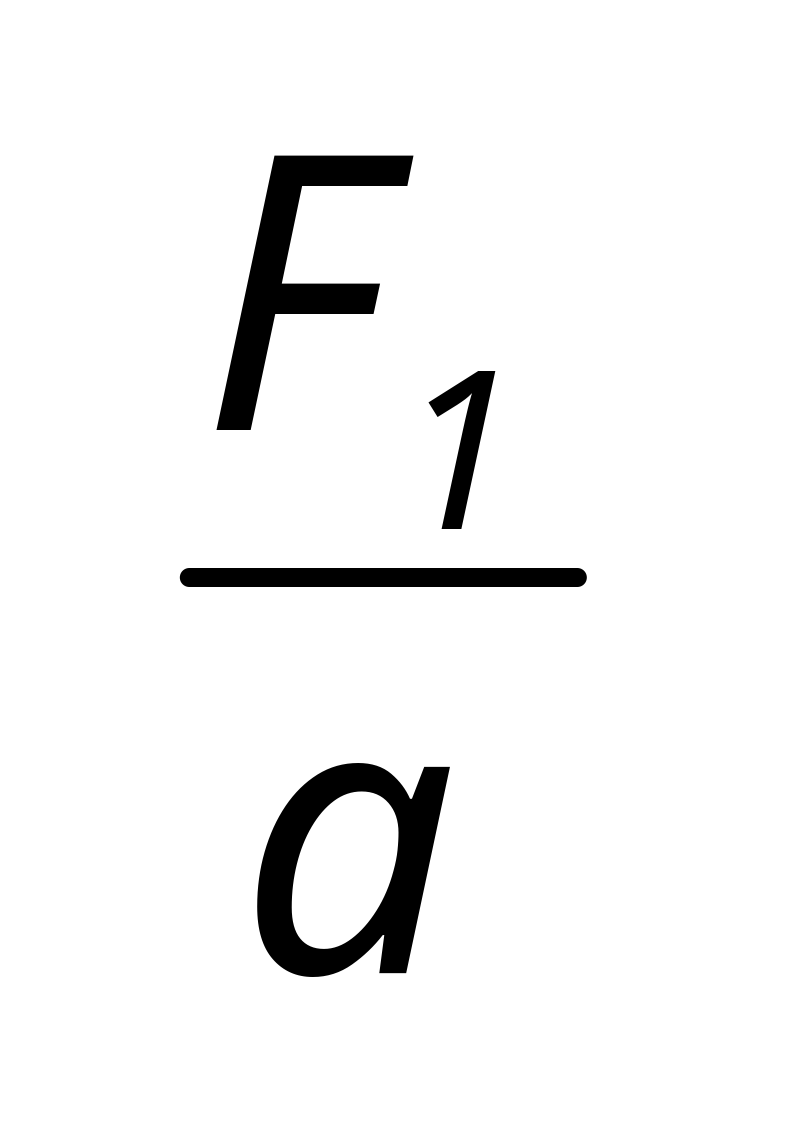
P =
By applying Pascal’s law, the pressure on the larger piston of area A will be same as on the small piston.
P =
By comparing the above equations, we have
=
Force Multiplier:
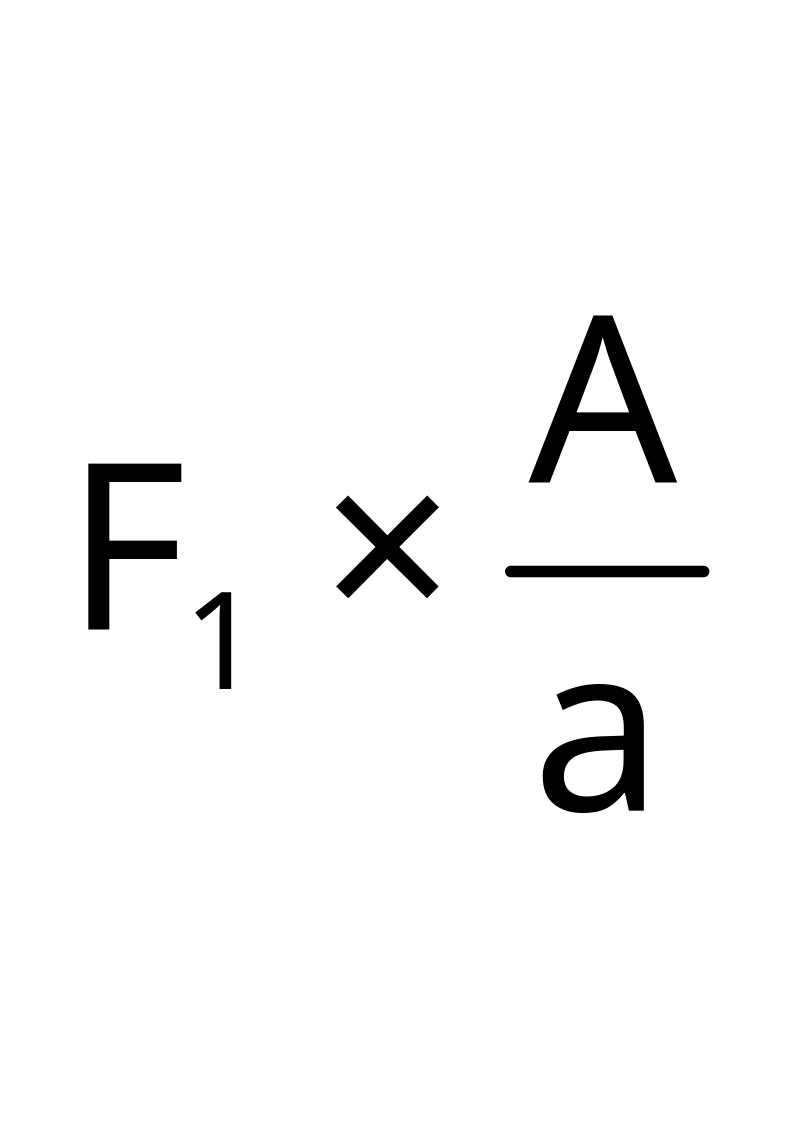
F2 =
Since the ratio is greater than 1, hence the force F2 acts on the larger piston is greater than the force F1 on the smaller piston. Hydraulic systems working in this way are known as force multipliers.
Q4. Explain the braking system of the vehicles.
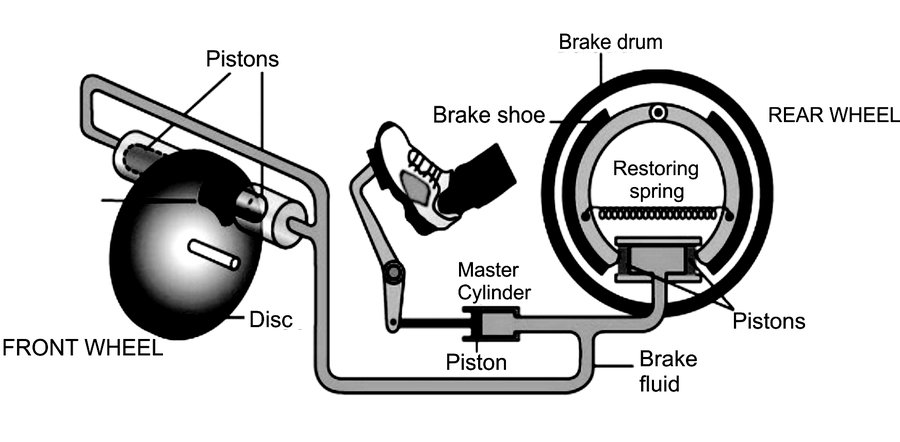
BRAKING SYSTEM OF VEHICLES
The brakes of cars, buses etc. work on the principle of Pascal’s law. In such a type of brakes, when brake pedal is pushed, it exerts pressure on the master cylinder, which increases the liquid pressure in the cylinder. The liquid pressure is transmitted equally through the liquid in the metal pipes to all the pistons of other cylinders. Due to the increase pressure of the liquid pressure, the pistons in the cylinder mover outwards pressing the brakes pad with brake drums. The force of friction between frictions the brake pads and the brake drum stops the wheels as shown in the figure:
Short Questions
Q1. On what factors pressure of the liquids depends?
PRESSURE OF THE LIQUIDS
As we know for liquids
P = ρ g h
This equation shows that pressure of the liquids depends on
Depth of the Liquids:
Pressure of the liquid increases with increase in depth of the liquid (h)
Density of the Liquid:
Pressure of the liquid increases with increase in the density of the liquid (ρ)
Value of Gravitational Acceleration:
Pressure of the liquid increases with Increases in the value of gravitational acceleration (g)
Q2. How is a syringe filled with a liquid?
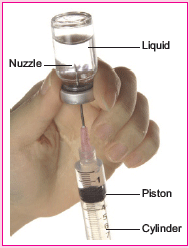
FILLING A SYRINGE
The piston of the syringe is pulled out. This lowers the pressure in the cylinder. The liquid from the bottle enters into the piston through the needle as shown in figure:
Q3. Write some applications of Pascal’s law.
APPLICATIONS OF PASCAL’S LAW
In general, Pascal’s law holds good for fluids both for liquids as well as gases. Pascal’s law finds numerous applications in our daily life such as automobiles, hydraulic brake system, hydraulic jack, hydraulic press and other hydraulic machine.
Q4. Why hydraulic press is called as force multiplier.
FORCE MULTIPLIER
We know working equation of hydraulic press
=
So F2 =
Since the ratio is greater than 1, hence the force F2 acts on the larger piston is greater than the force F1 on the smaller piston. Hydraulic systems working in this way are known as force multipliers.
EXAMLE 7.2
Q5. In a hydraulic press, a force of 100 N is applied on the piston of a pump of cross-sectional area 0.01 m2. Find the force that compresses a cotton bale placed on larger piston of cross-sectional area 1 m2.
Given Data:
Force applied on the piston of the pump = F1 = 100N
Cross sectional area of small piston = a = 0.01 m2
Cross sectional area of large piston = A = 1 m2
To Find:
Force that compresses cotton = F2 = ?
Calculations:
We know working equation of hydraulic press
=
So F2 =
Putting values
= 10000N
Result:
7.6 Archimedes Principle
7.7 Principle Of Floatation
Long Questions
Q1. State and explain Archimedes Principle. (GRW 2015)
ARCHIMEDES PRINCIPLE
Introduction:
More than two thousand years ago, the Greek scientist, Archimedes noticed the upthrust force of the liquid.
Upthrust Force:
There is an upward force which acts on an object kept inside a liquid. As a result an apparent loss of weight is observed in the object. This upward force acting on the object is called the up thrust of the liquid.
Statement:
According to Archimedes principle
“When object is totally or partially immersed in a liquid, an upthrust act on it equal to the weight of the liquid it displaces.”
Explanation:
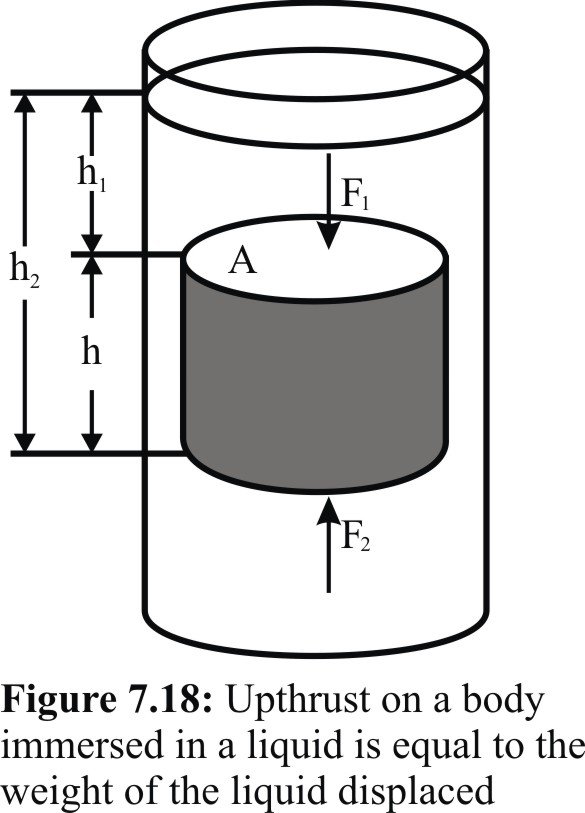
Consider a solid cylinder of cross – sectional area A and height h immersed in a liquid as shown in figure:
Let h1 and h2 be the depth of the top and bottom surfaces of the cylinder respectively from the surface of the liquid.
Then
h2 – h1 = h
If P1 and P2 are the liquid pressures at the depth h1 and h2 respectively and ρ is its density, then
P1 = ρ g h1
P2 = ρ g h2
Let the force F1 is exerted at the cylinder top by the liquid due to pressure P1 and the force F2 is exerted at the bottom of the cylinder by the liquid due to P2.
So F1 = P1A = ρ g h1 A
F2 = P2A = ρ g h2 A
F1 and F2 are acting on the opposite faces of the cylinder. Therefore, the net force F will be F2 – F1 in the direction of F2. The net force F on the cylinder is called the upthrust of the liquid.
Therefore,
F2 – F1 = ρ g h2 A – ρ g h1 A
= ρ g A (h2 – h1)
or upthrust of liquid = ρ g Ah
or = ρ g V
Here Ah is the volume V of the cylinder and equal to the volume of the liquid displaced by the cylinder. Therefore, ρ g V is the weight of the liquid displaced
We know m = ρ V
So upthrust of liquid = mg = w
Conclusion:
Q2. How density of an object can be found by Archimedes principle?
DENSITY OF AN OBJECT
Archimedes principle is also helpful to determine the density of an object.
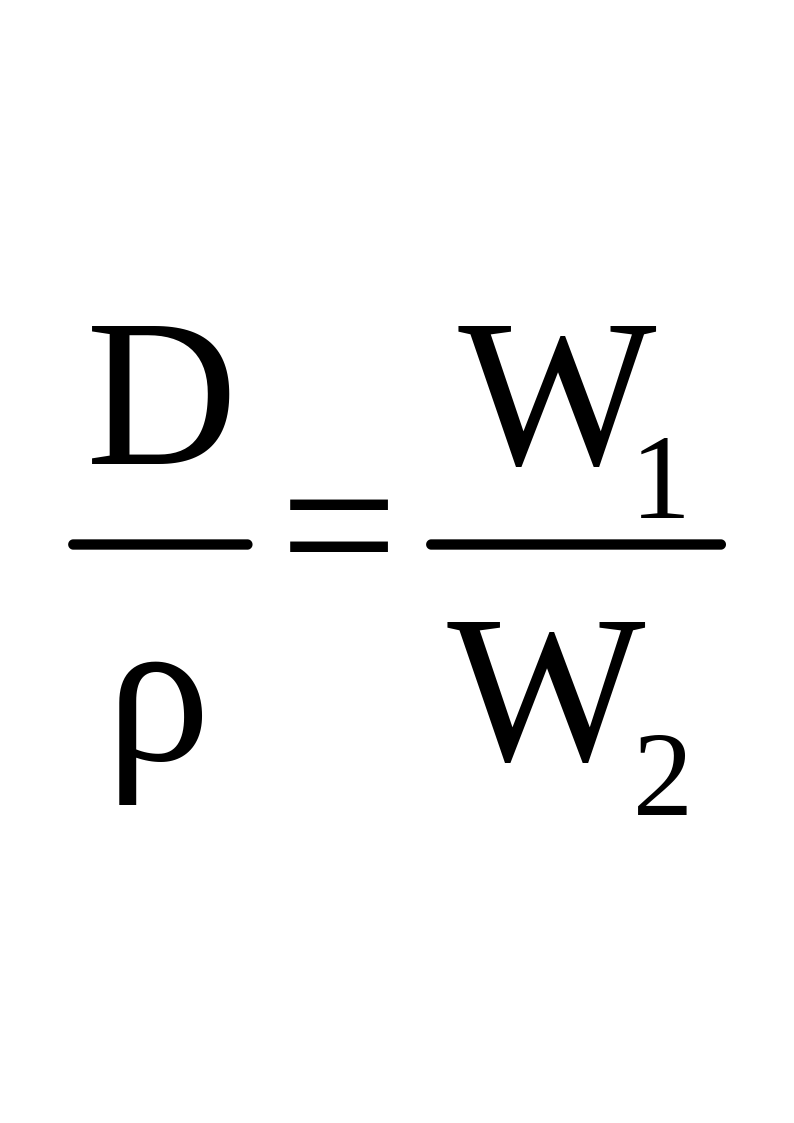
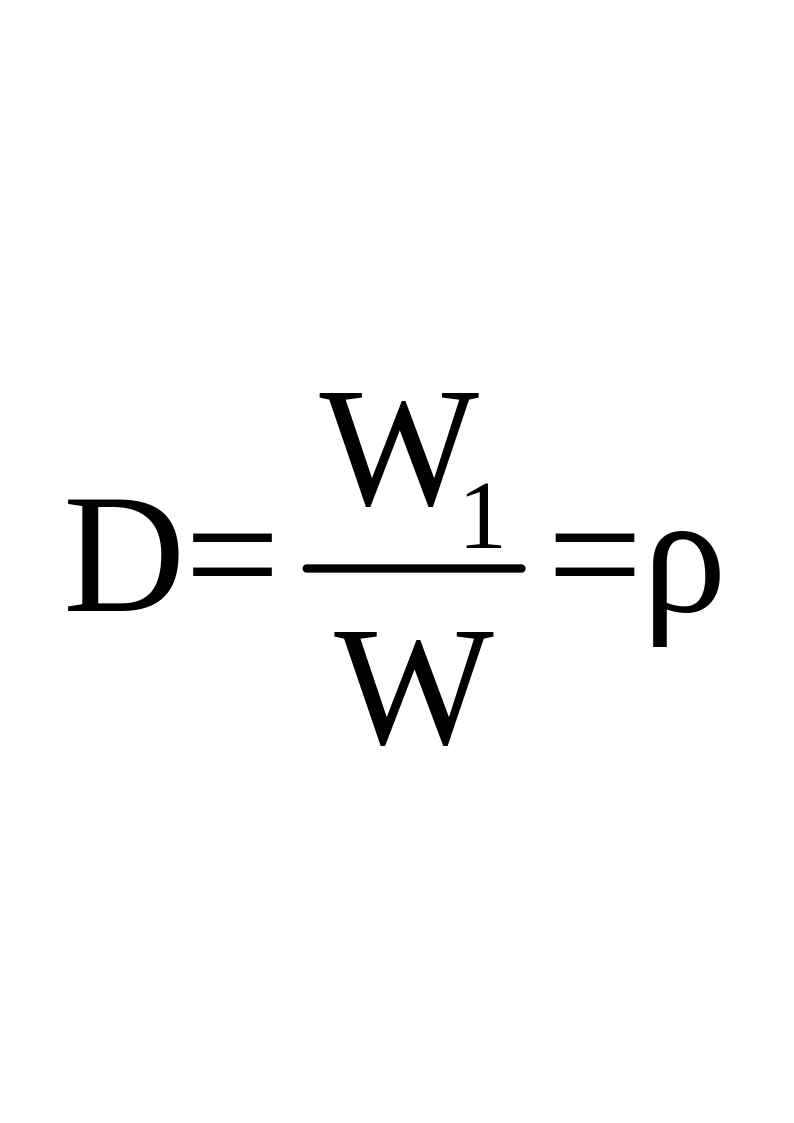
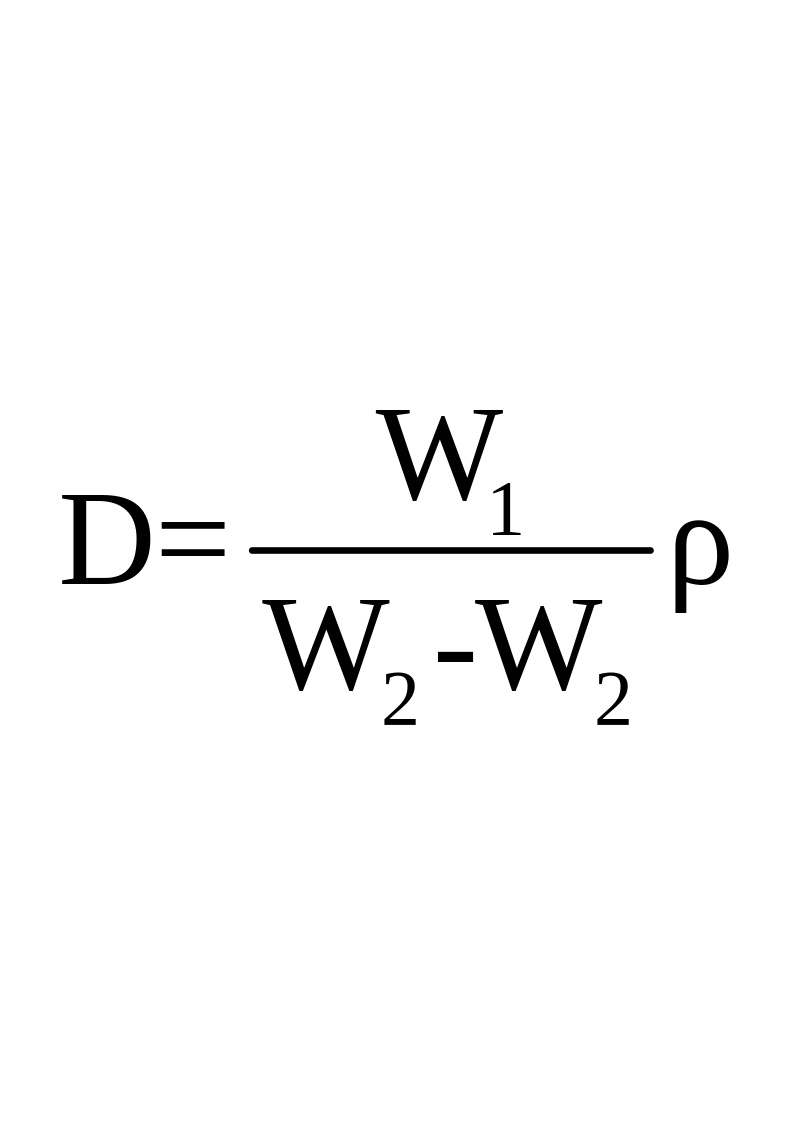
The ratio in the weights of a body with an equal volume of the liquid is the same as in their densities.
Let Density of the object = D
Density of the liquid = ρ
Weight of the object = w1
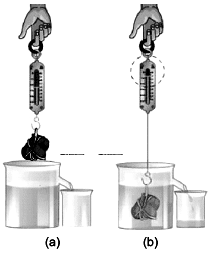
Weight of equal volume of liquid = w = w1 – w2
Here w2 is the weight of solid in liquid. According to Archimedes principle, w2 is less than its actual weight w1 by an amount w.
Thus, finding the weight of the solid in air w1 and its weight in water w2, we can calculate the density of the solid by using above equation and following procedure as shown in the fig:
Q3. Explain the Principle of Floatation.
PRINCIPLE OF FLOATATION
Introduction:
An object sinks if its weight is greater than the up thrust force acting on it. An object floats if its weight is equal or less than the up thrust. When an object floats in a fluid, the up thrust acting on it is equal to the weight of the object. In case of floating object, the object may be partially immersed. The up thrust is always equal to the weight of the fluid displaced by the object. This is principle of floatation.
Statement:
According to principle of floatation:
“A floating object displaces a fluid having weight equal to weight of the object.”
Applications:
Archimedes principle is applicable on liquids as well as gases. We find numerous applications of this principle in daily life.
Understanding of Floating Objects:
A wooden block floats on water. It is because the weight of an equal volume of water is greater than the weight of the block. According to the principle of floatation, a body floats if it displaces water equal to the weight of the body when it is partially or completely immersed in water.
Design of Ships and Boats:
Ships and boats are designed on the same principle of floatation. They carry passengers and goods over water. It would sink in water if its weight including the weight of its passengers and goods becomes greater than the upthrust of water.
Working of Submarines:
A submarine can travel over as well as under water. It also works on the principle of floatation. It floats over water when the weight of the water equal to its volume is greater than its weight. Under this condition, it is similar to a ship and remains partially above water level. It has a system of tanks which can be filled with and emptied from sea water. When these tanks are filled with sea water, the weight of the submarine increases. As soon as its weight becomes greater than the upthrust, it dives into water and remains under water. To come up on the surface, the tanks are emptied from sea water.
Short Questions
Q1. State Archimedes principle.
ARCHIMEDES PRINCIPLE
Statement:
According to Archimedes principle
“When object is totally or partially immersed in a liquid, an upthrust act on it equal to the weight of the liquid it displaces.”
Mathematically:
upthrust of liquid = ρ g Ah
or = ρ g V
We know m = ρ V
So
upthrust of liquid = mg = w
Q2. Define Upthrust. (GRW 2017)
UPTHRUST
Definition:
“There is an upward force which acts on an object kept inside a liquid. As a result an apparent loss of weight is observed in the object. This upward force acting on the object is called the up thrust of the liquid.”
Upthrust of the liquid is also called as “Buoyant force”
Example:
An air filled balloon immediately shoots up to the surface when released under water. The same would happen if a piece of wood is released under water all of this is because of upthrust of the liquid acting on bodies.
Q3. State Principle of floatation.
PRINCIPLE OF FLOATATION
Statement:
According to principle of floatation:
“A floating object displaces a fluid having weight equal to weight of the object.”
Example:
A wooden block floats on water. It is because the weight of an equal volume of water is greater than the weight of the block. According to the principle of floatation, a body floats if it displaces water equal to the weight of the body when it is partially or completely immersed in water.
Q4. Why does a heavy wooden log float on water while a needle sinks?
A NEEDLE SINKS
A wooden block floats on water. It is because the weight of an equal volume of water is greater than the weight of the block. According to the principle of floatation, a body floats if it displaces water equal to the weight of the body when it is partially or completely immersed in water while a needle sinks because upthrust force acting on it is less than its weight.
EXAMPLE 7.3
Q5. A wooden cube of sides 10 cm each has been dipped completely in water. Calculate the upthurst of water acting on it.
Given Data:
Length of a side = L = 10cm = 0.1m
Volume of wooden cube = V= L3 = (0.1)3 = 110-3 m 3
Density of water = ρ = 1000kgm-3
To Find:
Upthrust of water = F = ?
Calculations:
We know
Upthrust = ρ g V
Putting values
Upthrust = (1000)(10)( 110-3)
= 10N
Result:
EXAMPLE 7.4
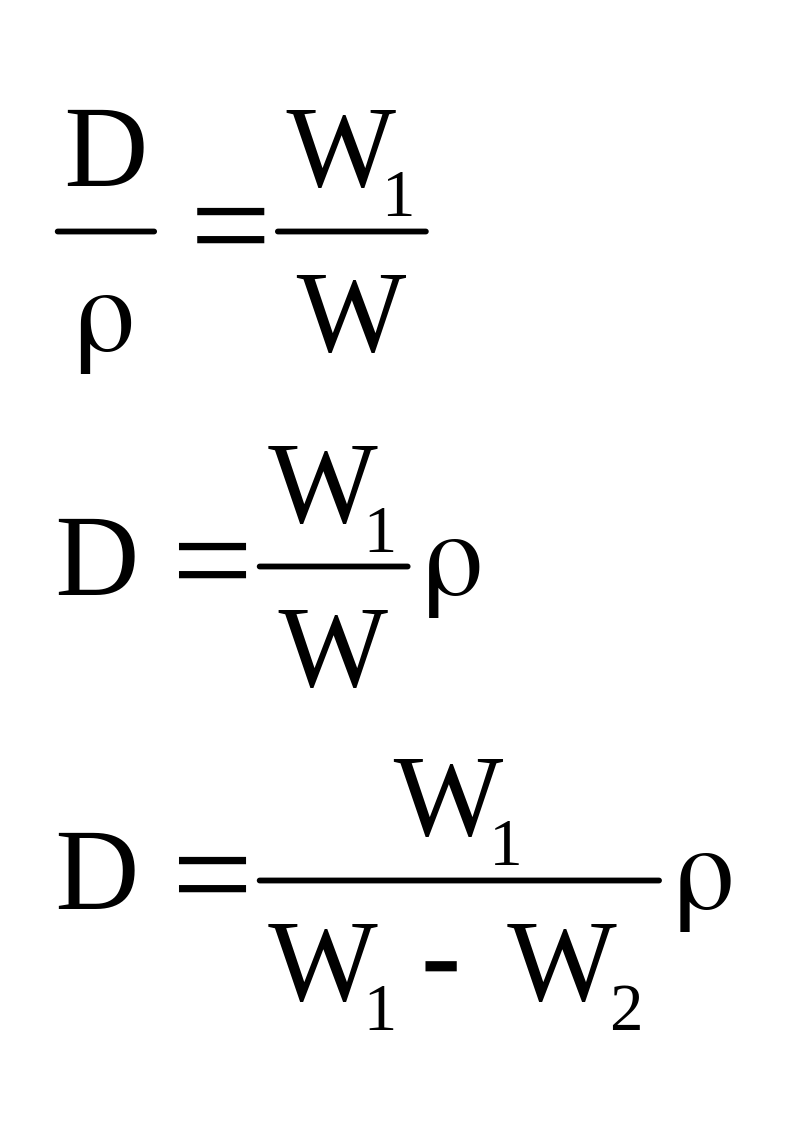
Q6. The weight of a metal spoon in air is 0.48 N. Its weight in water is 0.42 N. Find its density.
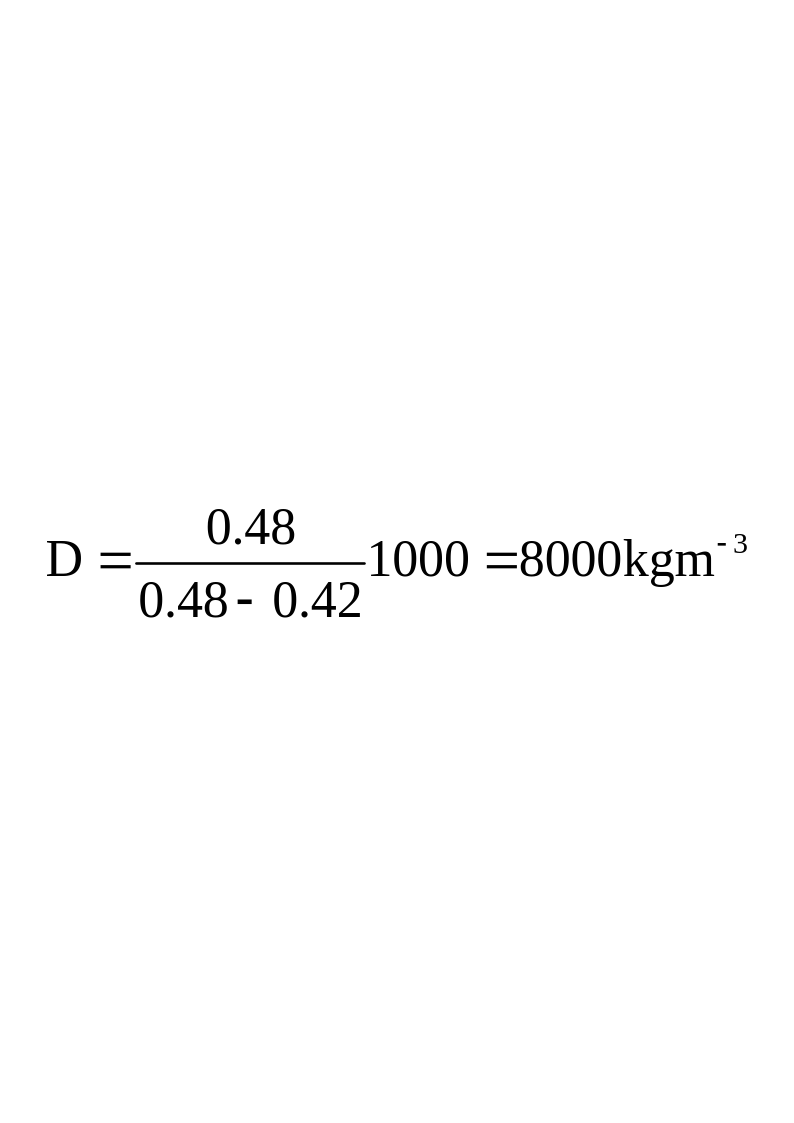
Given Data:
Weight of the metal spoon in air = W1 = 0.48 N
Weight of the metal spoon in water = W2 = 0.42 N
Density of water = ρ = 1000kgm-3
To Find:
Density of spoon = D =?
Calculations:
We know
Putting values
Results:
EXAMPLE 7.5
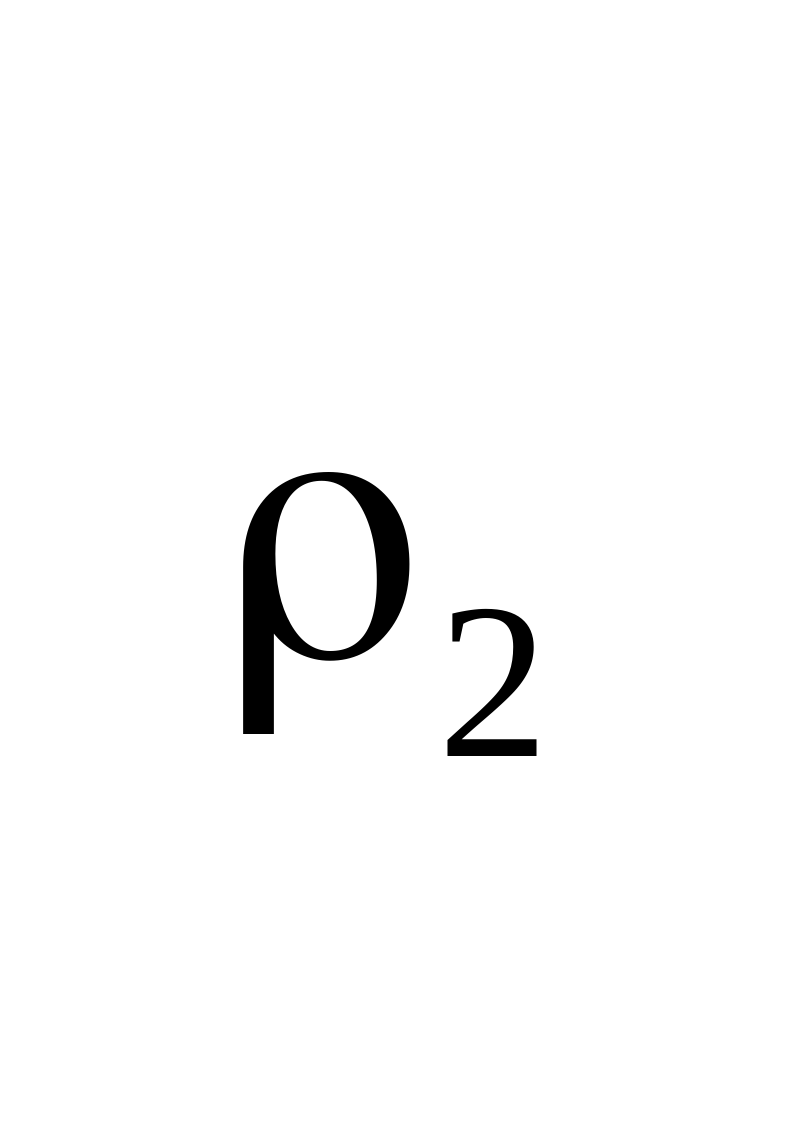
Q7. An empty meteorological balloon weighs 80 N. It is filled with 10 cubic metres of hydrogen. How much maximum contents the balloon can lift besides its own weight? The density of hydrogen is 0.09 kgm-3and the density of air is 1.3 kgm-3.
Given Data:
Weight of the balloon = w = 80 N
Volume of hydrogen = V = 10m3
Density of hydrogen = = 0.09 kgm-3
Density of air = = 1.3kgm-3
To Find:
Weight of hydrogen = w1 =?
Weight of contents = w2 =?
Calculations:
First we find upthrust of air
F = weight of air displaced
Upthrust = g V
Putting values
Upthrust = (1.3)(10)(10) = 130N
Now we find weight of hydrogen
w1 = g V
Putting values =
w1 = (0.09)(10)(10)
w1 = 9N
Total weight lifted equal to upthrust = w + w1 + w2
130 = 80N + 9N + w2
Hence
w2 = 41N
Result:
EXAMPLE 7.6
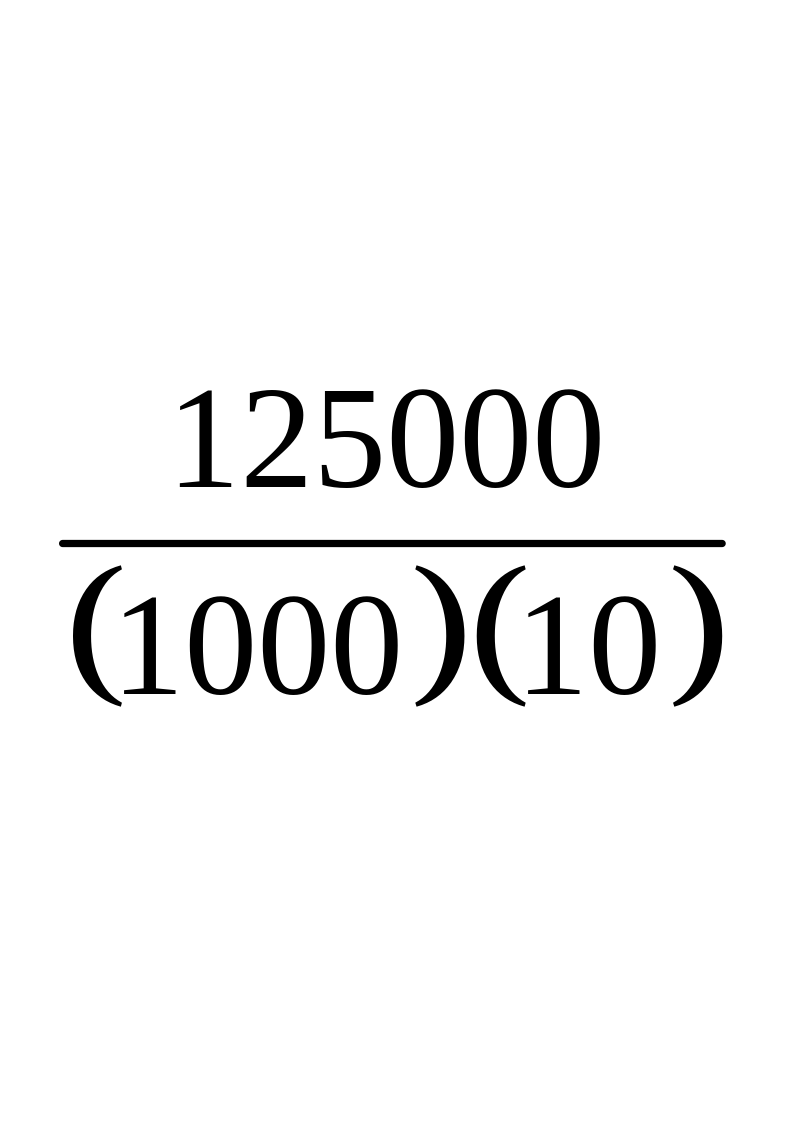
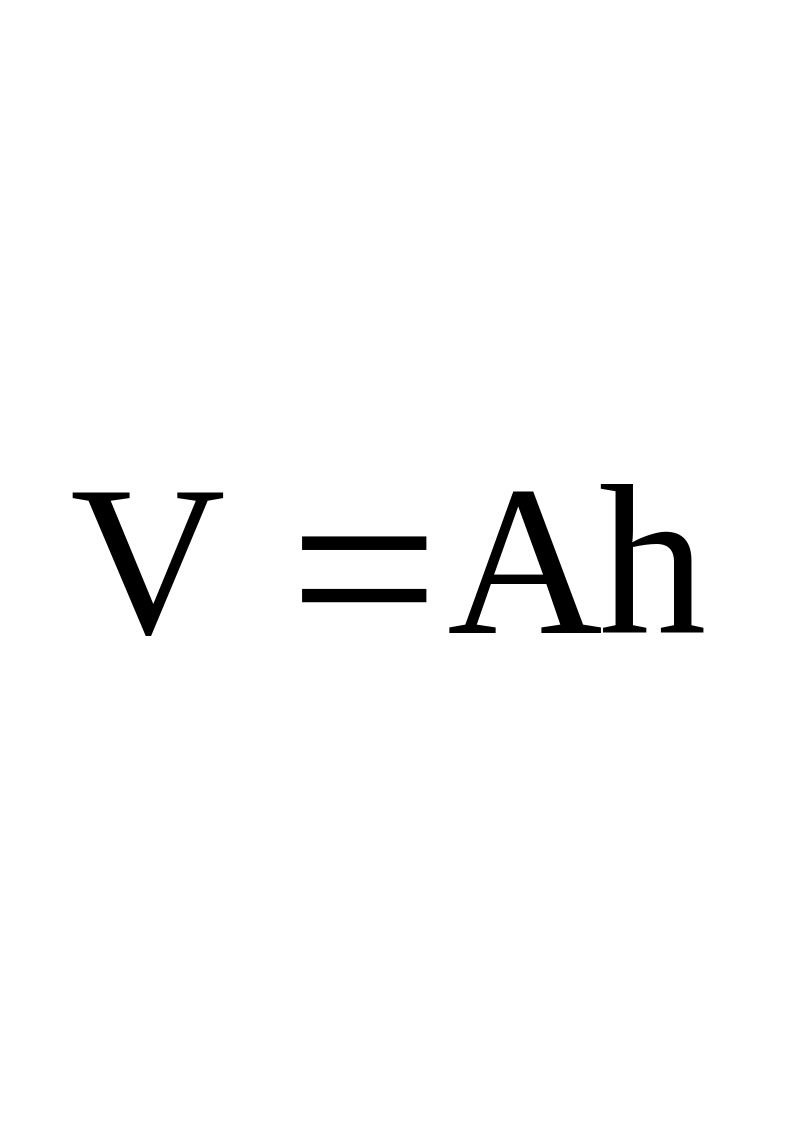
Q8. A barge, 40 metre long and 8 metre broad, whose sides are vertical, floats partially loaded in water. If 125000 N of cargo is added, how many metres will it sink?
Given Data:
Area of barge = A = 40 m 8 m = 320m2
Additional load to carry = w = 125000N
To Find:
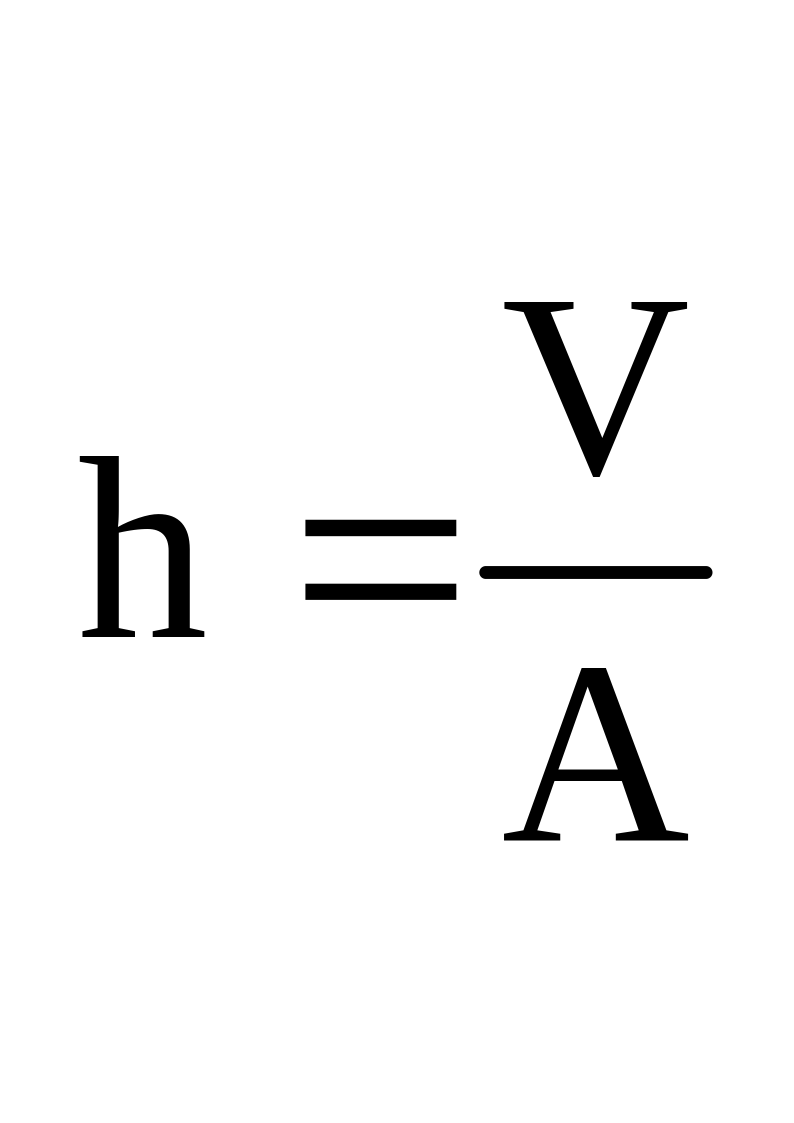
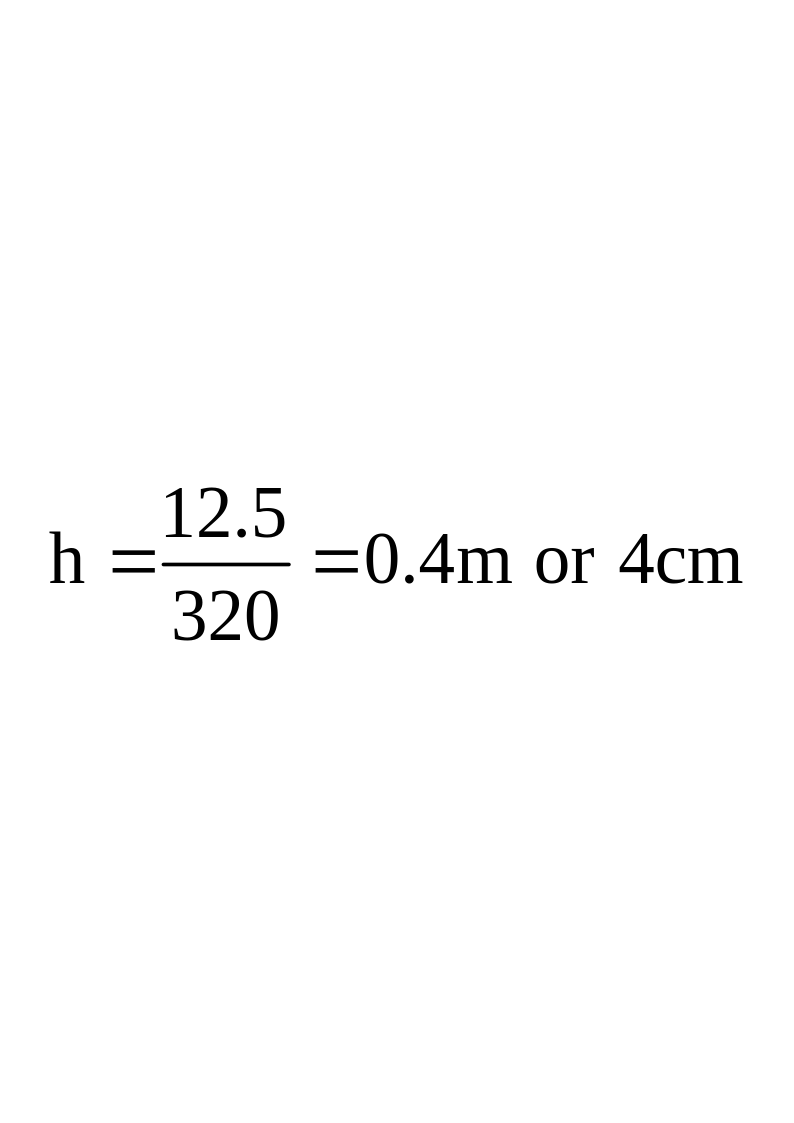
Depth to which barge will sink = h =?
Calculations:
We know
Increased upthrust F of water must be equal to the additional load. Hence
Upthrust= F = w = g V
V =
Putting values
V = = 12.5 m3
We know
Hence
Putting values
Result:
7.8 Elasticity
7.9 Hooke’S Law
Long Questions
Q1. State and explain the Hooke’s Law. (BHW, 2017)
HOOKE’S LAW
Introduction:
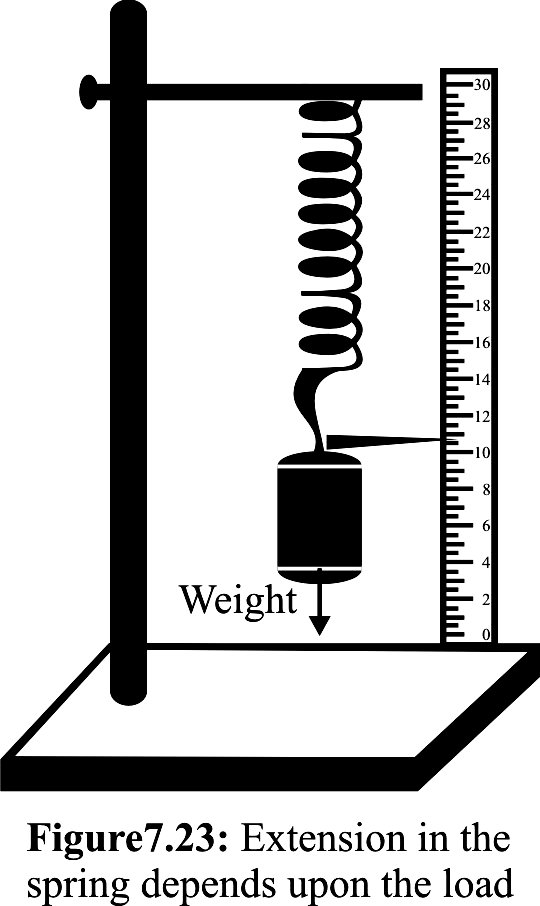
It has been observed that deformation in length, volume or shape of a body depends upon the stress acting on the body. The mathematical relationship between stress and strain was first of all formulated by Hooke in the form of a law.
Statement:
According to Hook’s law:
“The strain produced in a body by the stress applied to it is directly proportional to the stress within the elastic limit of the body.”
Mathematical Formula:
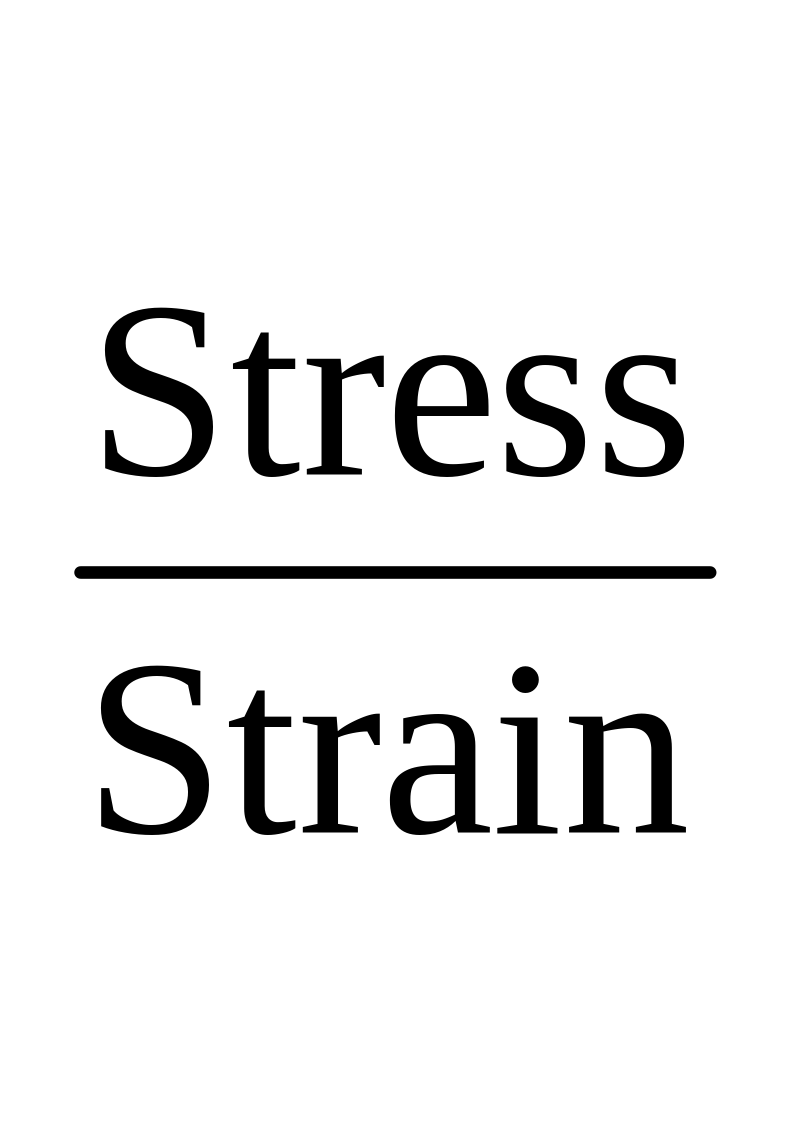
Stress α strain
Stress = constant x strain
Or = constant
Applications:
Hooke’s law is applicable to all kinds of deformation and all types of matter i.e. solids, liquids or gases within certain limit. This limit tells the maximum stress that can be safely applied on a body without causing permanent deformation in its length, volume or shape.
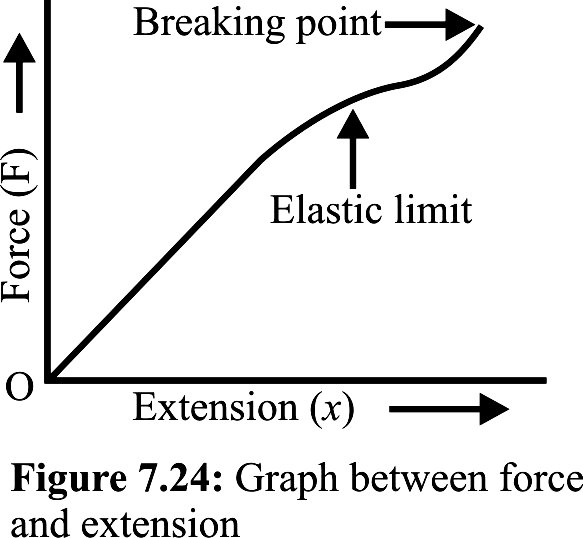
Elastic Limit:
It is a maximum value of elasticity within which a body recovers to original length, volume or shape after deforming force is removed. This value of elasticity is called the elastic limit.
When a stress crosses this limit, called the elastic limit, a body is permanently deformed and is unable to restore its original state after the stress is removed as shown in the figure:
Q2. Define Young’s Modulus and derive its mathematical formula. (LHR 2015, GRW 2017)
YOUNG’s MODULUS
Definition:
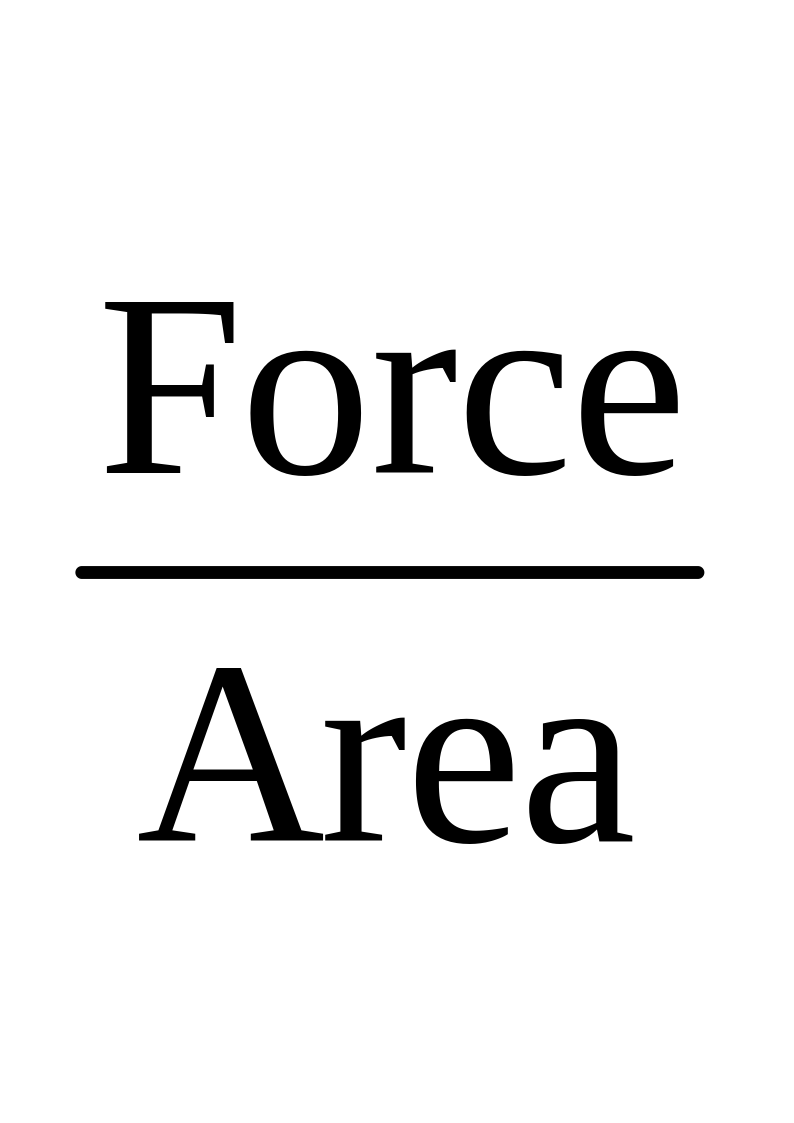
“The ratio of stress to tensile strain is called Young’s Modulus.”
Or
“The ratio of stress and strain is a constant within the elastic limit, this constant is called the Young’s Modulus.”
Unit:
SI unit of Young’s Modulus is Newton per square meter (N m-2)
Mathematical Form:
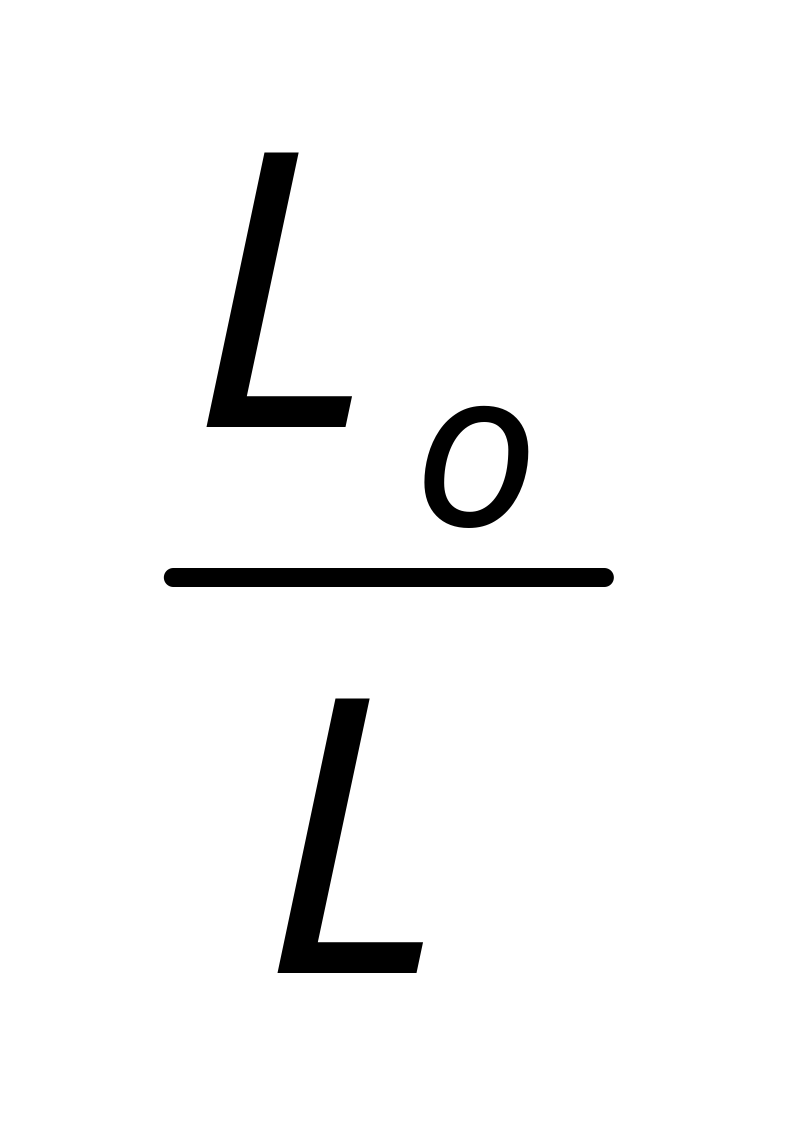
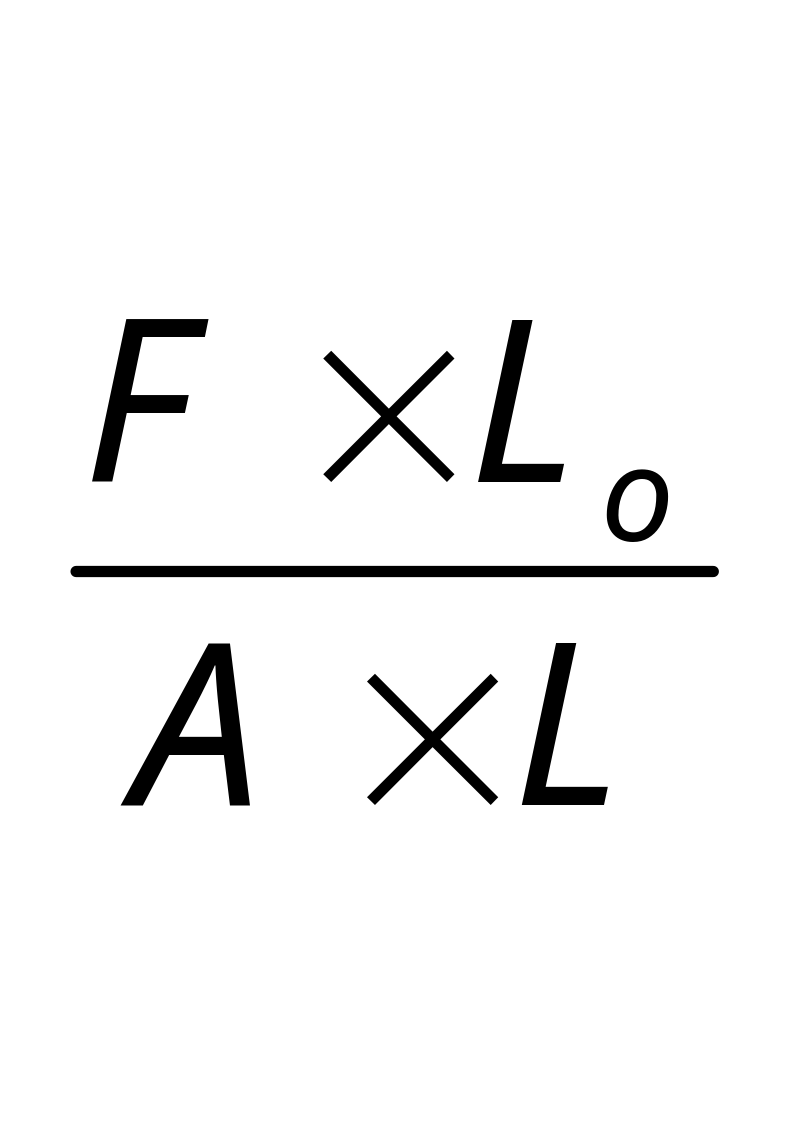
Consider a long bar of length Lo and cross – sectional area A. Let an external force F equal to weight w stretches it such that the stretched length becomes L.
Mathematically,
Young’s modulus = Y = Stress/Tensile strain
Let ΔL be the change in length of the rod, then
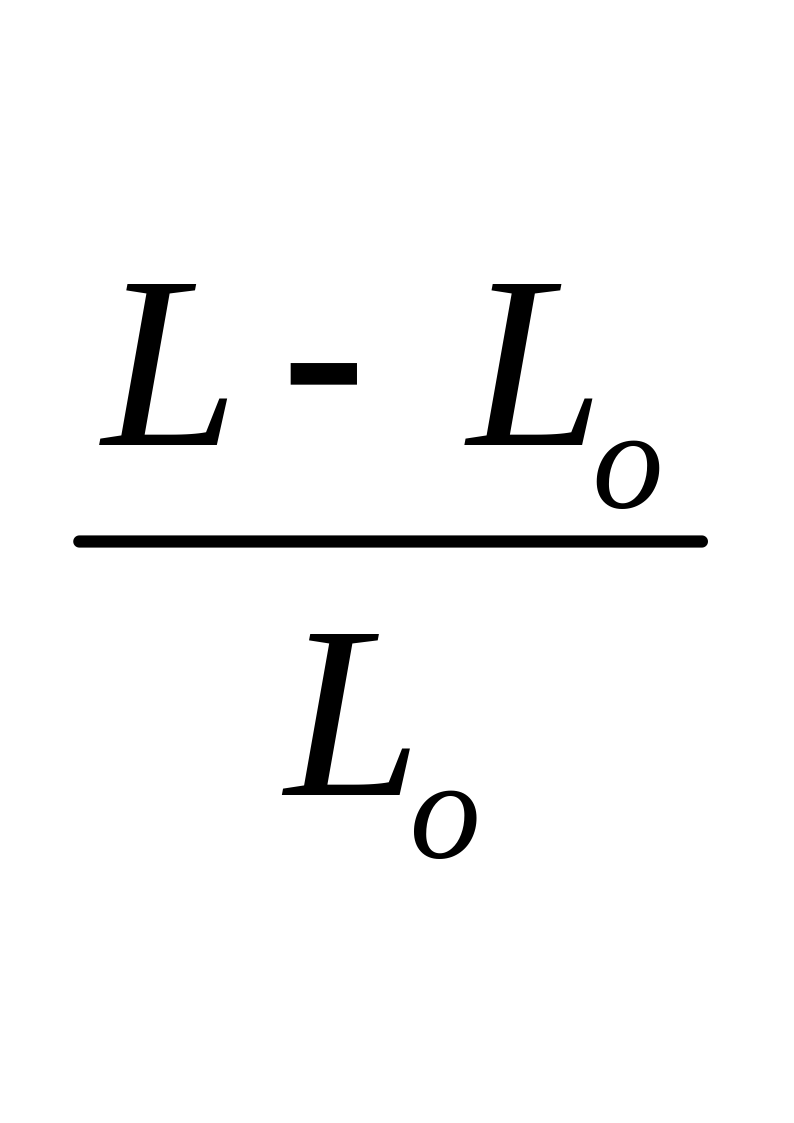
ΔL = L – Lo
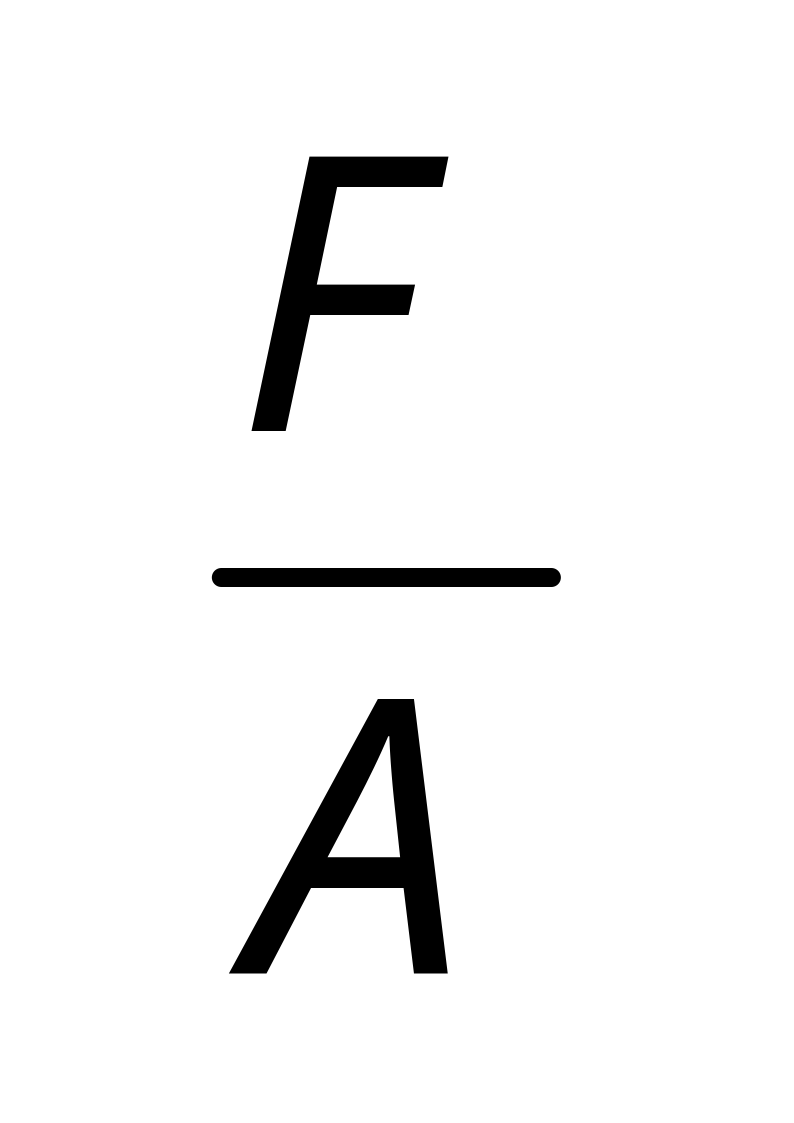
Since Stress = = F/A
And Tensile Strain = = ΔL/Lo
As Young’s modulus = Y = Stress/Tensile strain
So = x
Therefore, =
Examples:
Young’s Modulus of some common materials is as follows:
Diamond 1120 × 109 Nm2
Glass 60 × 109 Nm2
Lead 16 × 109 Nm2
Short Questions
Q1. Define Elasticity. (LHR 2017)
ELASTICITY
The property of a body to restore its original size and shape as the deforming force ceases to act is called elasticity.
Example:
Q2. When we stretch a rubber with a small force and then release that force the rubber attains it original size and shape due to elasticity. Define deforming force. (GRW 2017)
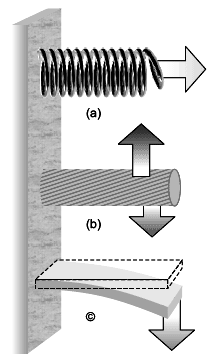
DEFORMING FORCE
Definition:
“The applied force that changes shape, length or volume of a substance is called the deforming force”
Unit:
Being a force its unit is newton (N)
Example:
A pictorial concept of deforming force and elasticity is given below
Q3. What is stress? (LHR 2016,GRW 2017)
STRESS
Definition:
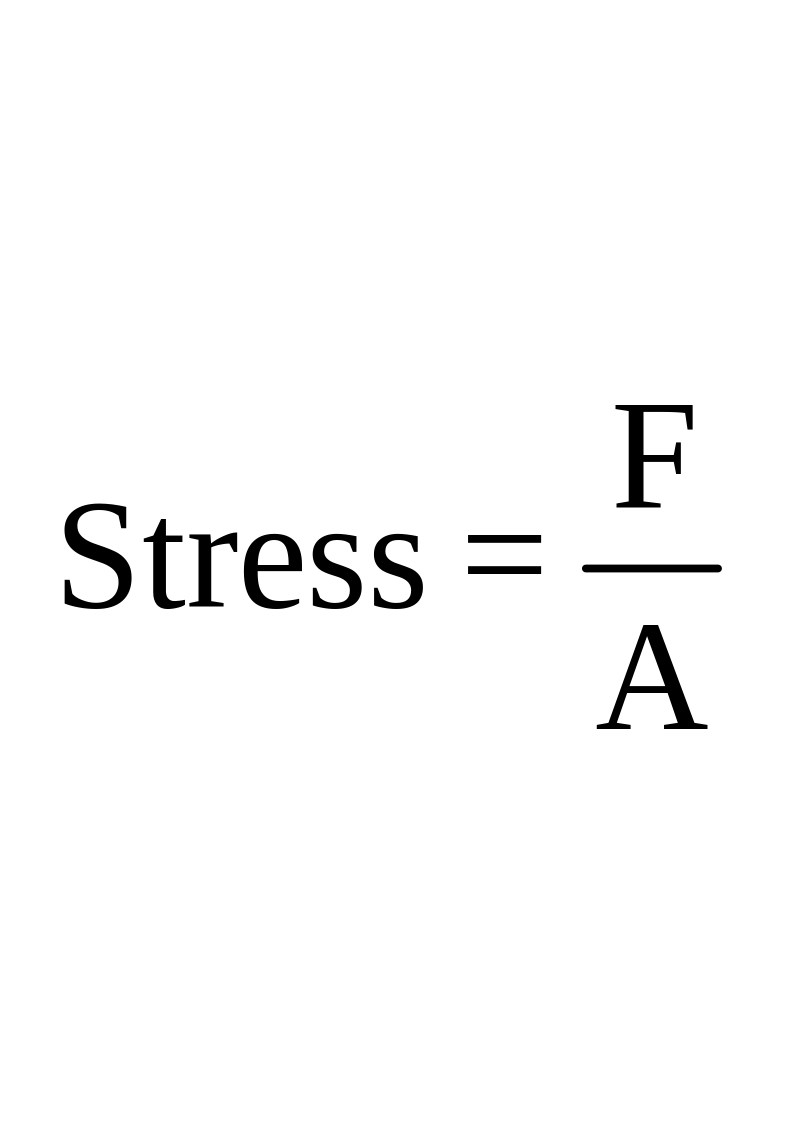
“The deforming force acting on unit area at the surface of a body is called stress.”
Mathematical Form:
If a force F is applied on an area A of an object, the stress is) mathematically defined as:
Unit:
In System International, the unit of stress is Nm-2.
Q4. What is strain?
STRAIN
Definition:
“A stress can produce a change in shape, length or volume of an object. A comparison of change caused by the stress with the original length, volume or shape is called the strain.”
Tensile Strain:
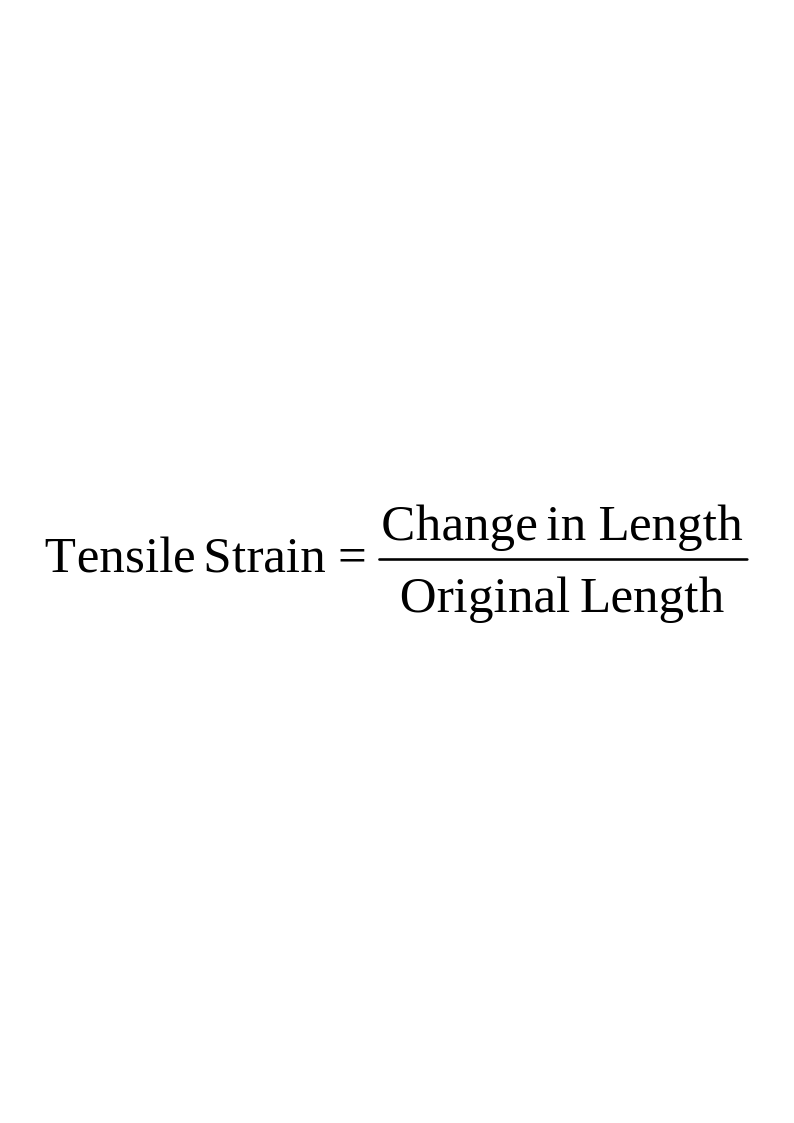
If a stress produces a change in length of an object then the strain is called tensile strain. Therefore,
Unit:
As the strain is a ratio between two similar quantities so it has no unit.
EXAMPLE 7.7
Q5. A steel wire 1 m long and cross sectional area m2 is stretched through 1mm by a force of 1000 N. Find Young modulus of the wire.

Given Data:
Initial length of steel wire = Lo = 1 m
Cross sectional area of the steel wire = A = m2
Extension or change in length = = 1mm = 0.001m
Force producing extension = F = 10000N
To Find:
Young modulus of the wire = Y =?
Calculations:
As we know
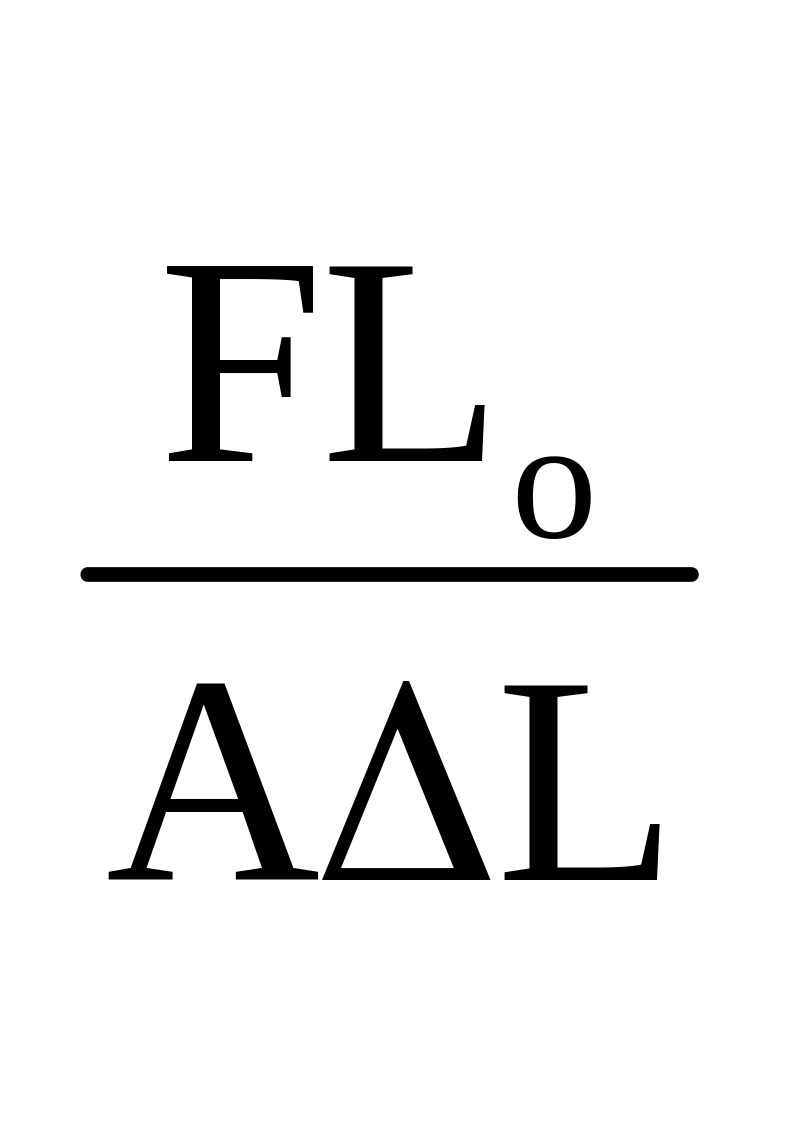
Y=
Putting the values
Y =
Result:
TB Text Book Exercise
Long Questions
Q1. How kinetic molecular model is helpful in differentiating various states of matter?
See Q. 1 Long Question TOPIC 7.1
Q2. What is meant by a density? What is its SI unit?
DENSITY
Definition:
“Density of a substance is defined as its mass per unit volume.”
Formula:
Unit:
SI unit of density is kilogram per cubic meter (kg m-3).
Density Equations:
Mass = Density x Volume
Q3. Define the term pressure.
PRESSURE
Definition:
“The force acting normally per unit area on the surface of a body is called pressure.”
Formula:
Pressure can be calculated by the following formula
P = Force/Area
Or P = F/A
Quantity:
Pressure is a scalar and derived quantity.
Unit:
In SI units, the unit of pressure is N m-2 also called Pascal (Pa).
Thus, 1N m-2 = 1Pa
Q4. State Pascal’s law.
PASCAL’S LAW
Introduction:
An external force applied on the surface of a liquid increases the liquid pressure at the surface of the liquid. This increase in liquid pressure is transmitted equally in all direction and to the walls of the container in which it is filled this result is called Pascal’s law.
Statement:
According to Pascal’s law:
“Pressure, applied at any point of a liquid enclosed in a container, is transmitted without loss to all other parts of the liquid.”
Application:
This law holds good for fluids both for liquids as well as gasses.
Q5. Explain the working of hydraulic press.
See Q.6 Long Question
Q6. When we stretch a rubber with a small force and then release that force the rubber attains it original size and shape due to elasticity. State Archimedes principle?
ARCHIMEDES PRINCIPLE
Introduction:
More than two thousand years ago, the Greek scientist, Archimedes noticed the upthrust force of the liquid.
Statement:
According to Archimedes principle
“When object is totally or partially immersed in a liquid, an upthrust act on it equal to the weight of the liquid it displaces.”
Mathematically:
upthrust of liquid = ρ g Ah
or = ρ g V
We know m = ρ V
So upthrust of liquid = mg = w
Q7. What is up thrust? Explain the principle of floatation.
See Q. 1 & 3 Long Questions TOPIC 7.6 and 7.7
Q8. Explain how a submarine moves up the water surface and down into water.
See Q. 3 Long Question TOPIC 7.7
Q9. What is Hooke’s law? What is meant by elastic limit?
HOOKE’S LAW
Introduction:
It has been observed that deformation in length, volume or shape of a body depends upon the stress acting on the body. The mathematical relationship between stress and strain was first of all formulated by Hooke in the form of a law
Statement:
According to Hook’s law:
“The strain produced in a body by the stress applied to it is directly proportional to the stress within the elastic limit of the body.”
Mathematical Formula:
Stress α strain
Stress = constant x strain
Or
= constant
Elastic Limit:
It is a maximum value of elasticity within which a body recovers to original length, volume or shape after deforming force is removed. This value of elasticity is called the elastic limit. When a stress crosses this limit, called the elastic limit, a body is permanently deformed and is unable to restore its original state after the stress is removed as shown in the figure:
Short Questions
Q1. Does there exist a fourth state of matter? What is that?
FOURTH STATE OF MATTER
Yes, there exists a fourth state of matter called Plasma.
The kinetic energy of gas molecules goes on increasing if a gas is heated continuously. This causes the gas molecules move faster and faster. The collisions between atoms and molecules of the gas become so strong that they tear off the atoms. Atoms lose their electrons and become positive ions. This ionic state of matter is called plasma.
Q2. Can we use a hydrometer to measure the density of milk?
HYDROMETER
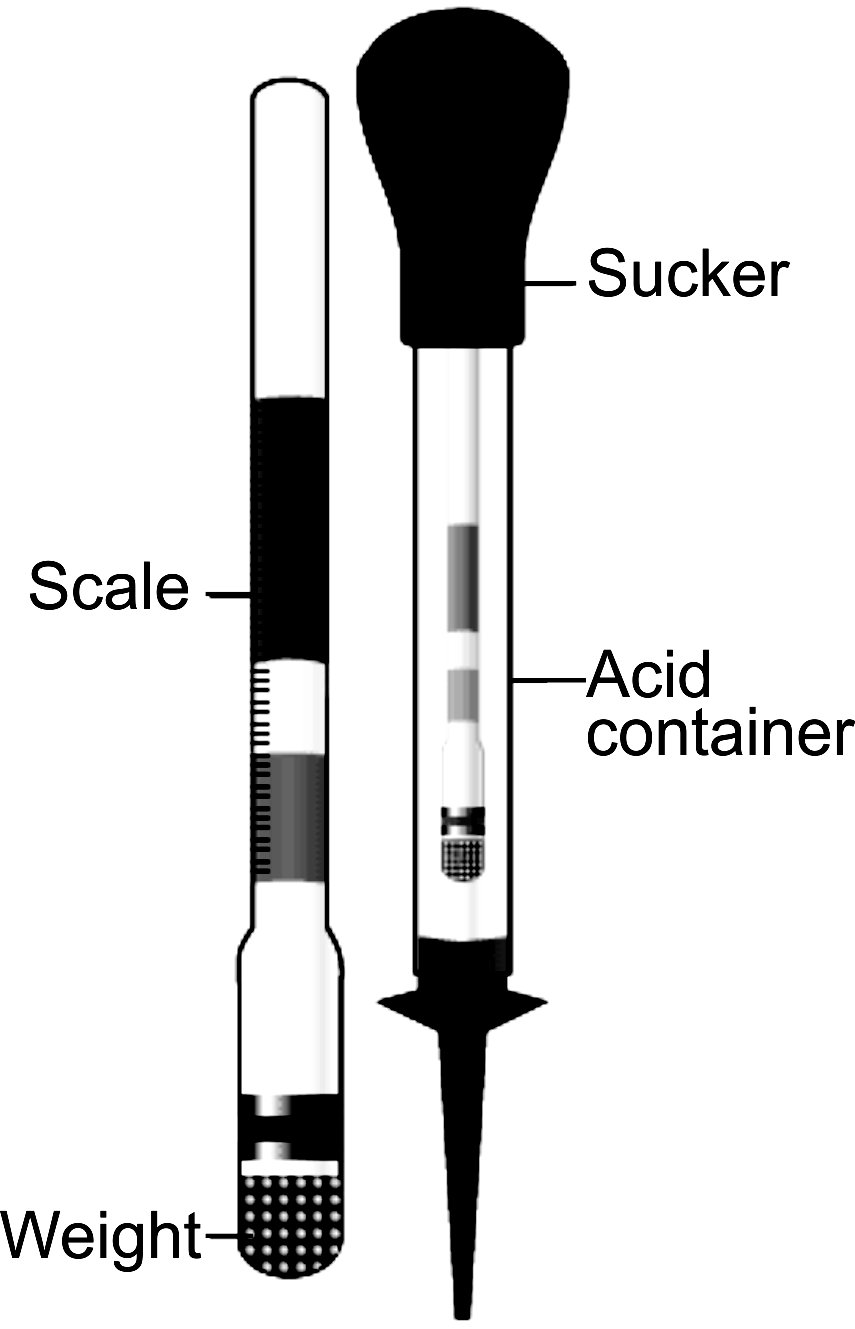
Yes, we can use Hydrometer to measure density of milk. Hydrometer is a glass tube with a scale marked on its stem and heavy weight in the bottom. It is partially immersed in a fluid, the density of which is to be measured. One type of hydrometer is used to measure the concentration of acid in a battery. It is called acid meter.
Q3. Show that atmosphere exert pressure.
Long question #1 TOPIC 7.3
Q4. It is easy to remove air from a balloon but it is very difficult to remove air from a glass bottle. Why?
REMOVAL OF AIR
Because the atmospheric pressure acts more easily on balloon as compared to glass bottle, so emptying air is easier from balloon than glass bottle.
Q5. What is barometer?
BAROMETER
The instrument used to measure atmospheric pressure is called barometer. One of the simple barometers is mercury barometer. It consists of a glass tube 1m long closed at one end as shown in the figure:
Q6. Why water is not suitable to be used in a barometer?
WATER IS NOT SUITABLE
Mercury is 13.6 times denser than water. Atmospheric pressure can hold vertical column of water about 13.6 times the height of mercury column at a place. Thus, at sea level, vertical height of water column would be 0.76 m x 13.6 = 10.34 m. Thus, a glass tube more than 10 m long is required to make a water barometer that is difficult to handle practically.
Q7. What makes a sucker pressed on a smooth wall sticks to it?
SUCKER PRESSED ON A WALL
When a sucker is pressed on a smooth surface, the air pressure below it becomes very small (due to the displaced air) as compared to the air pressure above it. Therefore, it sticks with the smooth surface as shown in the figure:
Q8. Why does the atmospheric pressure vary with height?
VARIATION IN ATMOSPHERIC PRESSURE
As we go high in the atmosphere, the density of the air becomes low. Due to this reason, atmospheric pressure decreases as we go high.
Q9. What does it mean when the atmospheric pressure at place fall suddenly?
SUDDEN FALL OF ATMOSPHERIC PRESSURE
A sudden fall in atmospheric pressure means there will be a storm, rain and typhoon to occur in coming few hours.
Q10. What changes are expected in weather if the barometer reading shows a sudden increase?
SUDDEN INCREASE IN READING
A sudden increase in atmospheric pressure means that it will soon followed by a decrease in the atmospheric pressure indicating poor weather ahead.
Q11. What is meant by elasticity?
ELASTICITY
Definition:
“The property of a body to restore its original size and shape as the deforming force ceases to act is called elasticity.”
Example:
Q12. Why does a piece of stone sink in water but a ship with huge weights floats?
A STONE SINKS
The upthrust force on stone is much smaller than its weight because weight of the water displaced under stone is very small. While the ships are designed in such a way weight of the water displaced by them is greater than their weight. So upthrust force in case of ships is greater than their weights. So ships float on the surface of water.
Q13. Take a rubber band. Construct a balance of your own using a rubber band. Check its accuracy by weighing various objects.
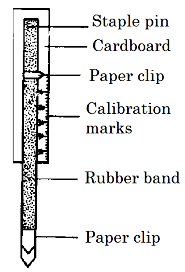
CONSTRUCTING A BALANCE
Take a rubber band hang it with a hook. Then pointer is attached at the lower end of it with scale in front of pointer. Different known weights are suspended one by one at the lower end of the rubber band. Mark the pointer positions for each known weight. It is called calibration of scale for weight measurements. This makes a balance for weight measurement as shown in the figure:
Numerical Problems
Numerical 1. A wooden block measuring 40 cm x 10cm x 5 cm has a mass of 850 g. find the density of the wood.
Given Data:
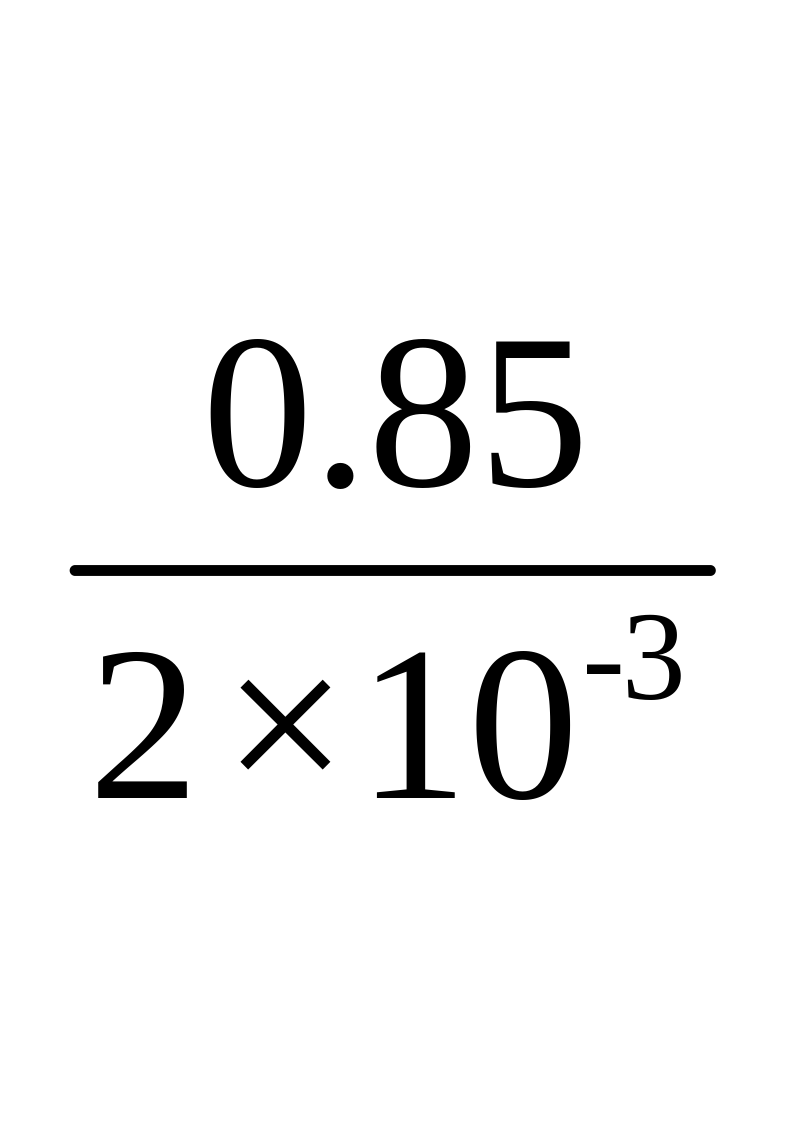
Volume of wooden block = v = 40 cm x 10 cm x 5 cm = 2000 cm3 = 2 x 10⁻³ m3
Mass of wooden block = m = 850 g = 0.85 kg
To Find:
Density of wooden block = d =?
Calculations:
As we know that
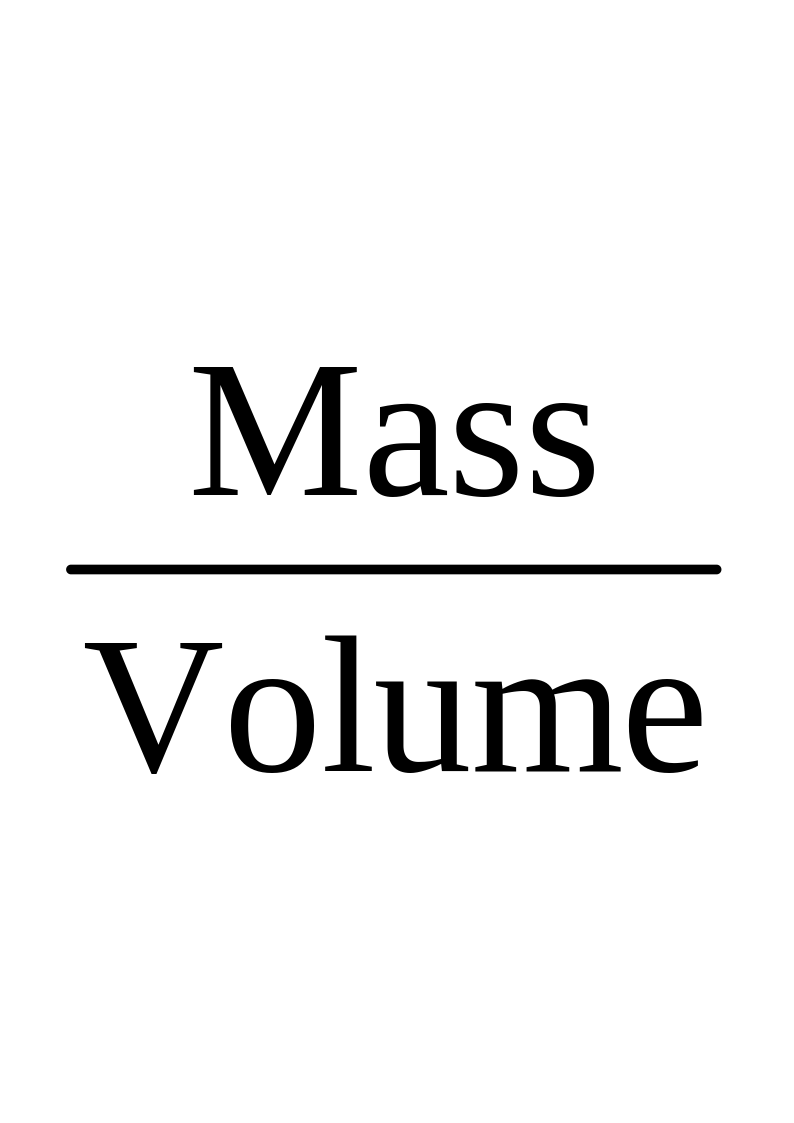
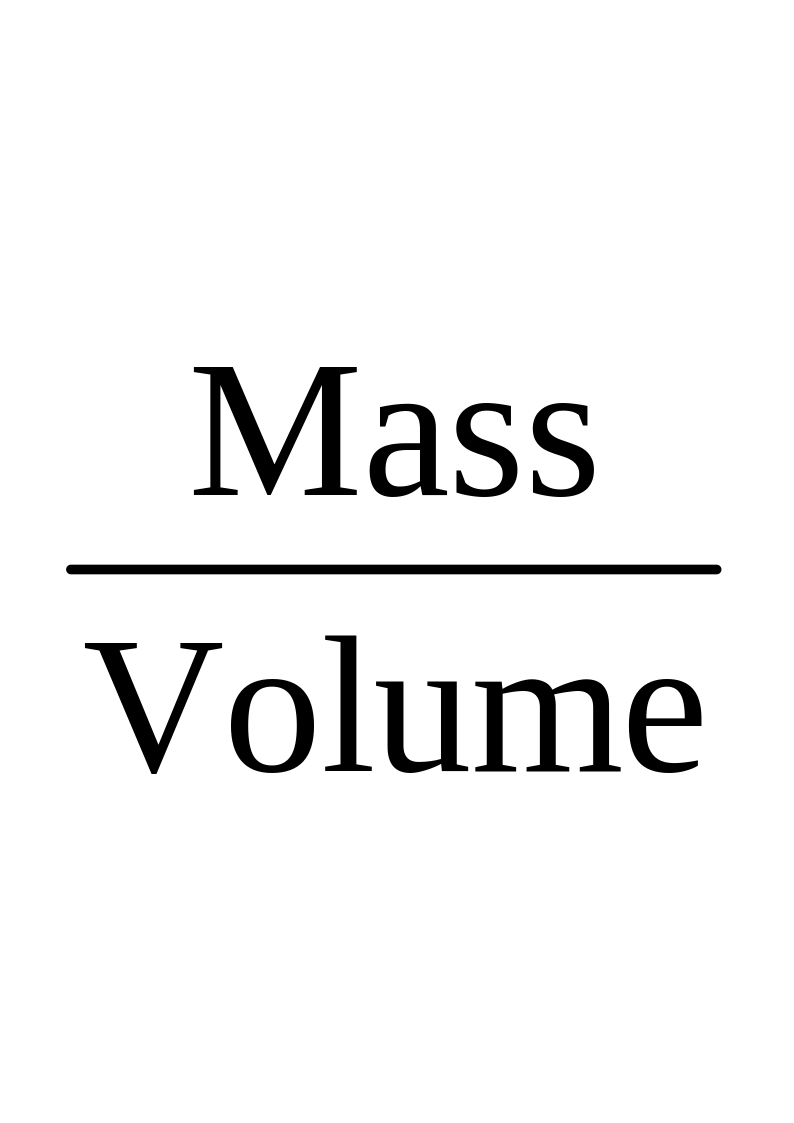
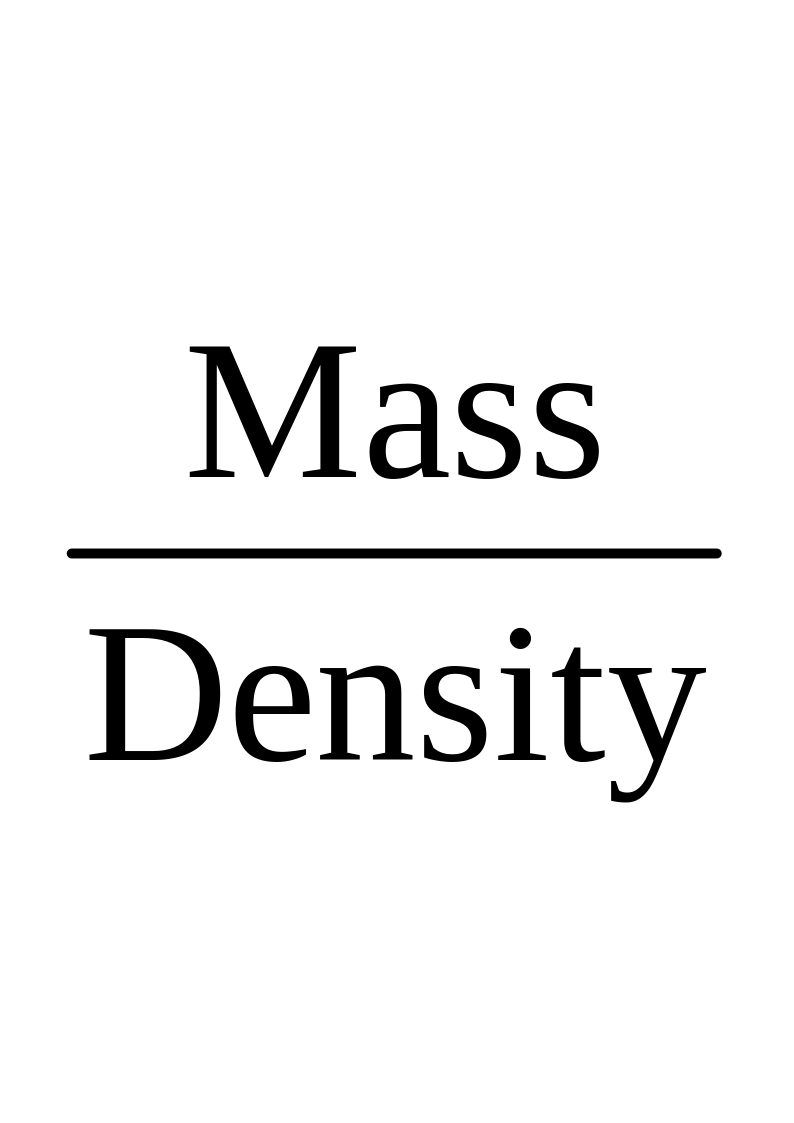
Density =
By putting the values, we have
Density =
Density = 0.425 x 10³ kg m-3
Numerical 2. OR Density = 425 kg m-3 Result: How much would be the volume of the ice formed by freezing 1 litre of water? (LHR 2014)
Given Data:
Volume of water = V1 = 1 litre
To Find:
Volume of ice on freezing = V2 = ?
Calculations:
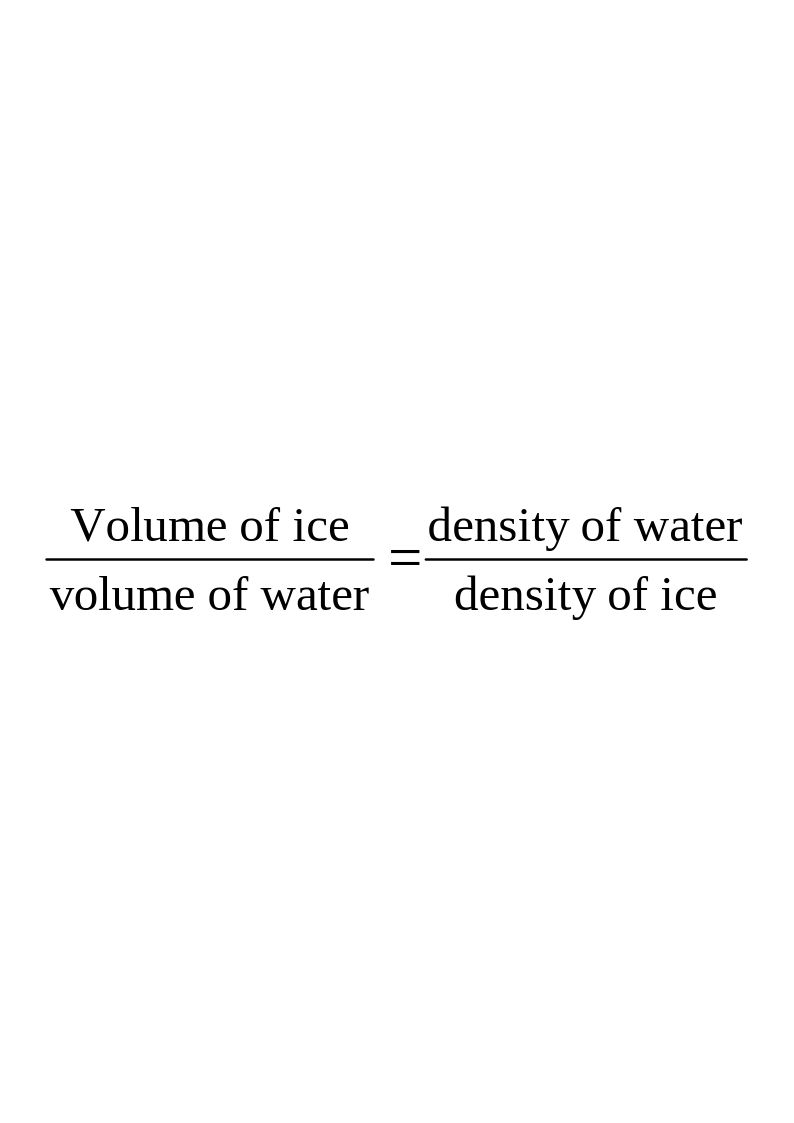
As we know that
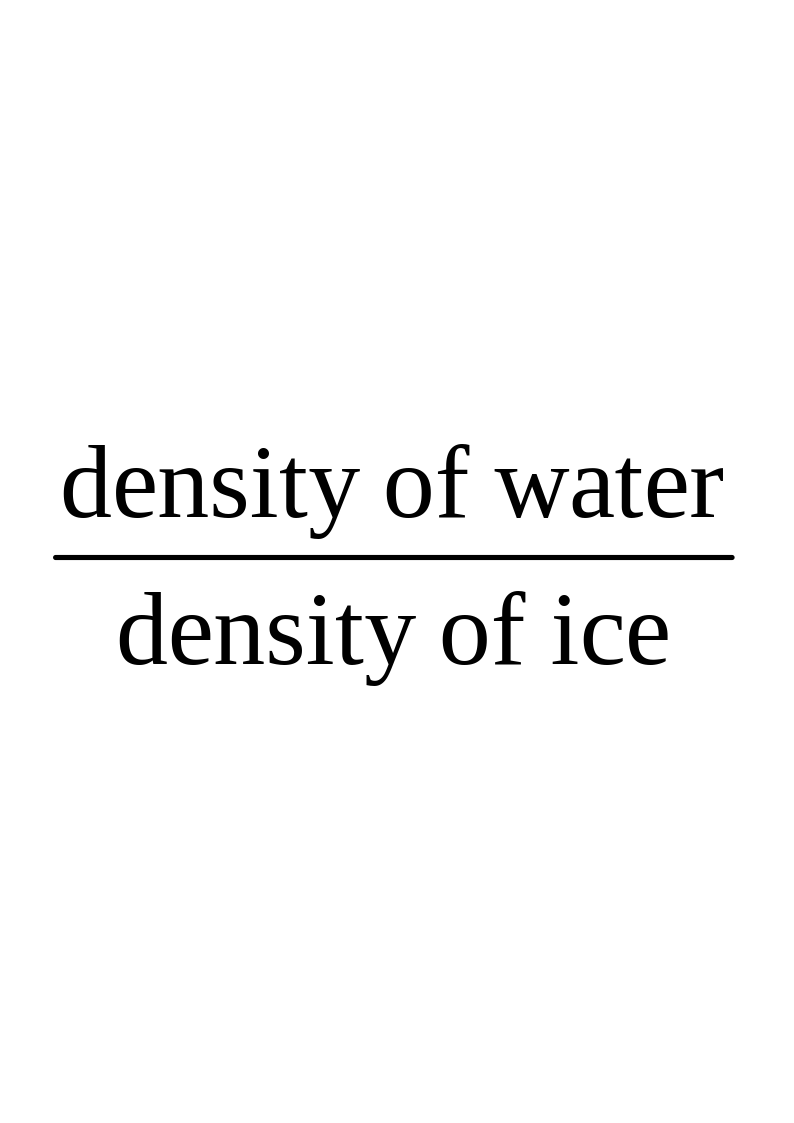
So
volume of ice = () x volume of water
Putting values, we have
Volume of ice = (1000/920) x 1
Volume of ice = 1.09 litres
Result:
Numerical 3. (i) Calculate the volume of the following objects. An iron sphere of mass 5 kg, the density of iron is 8200 kgm-3. 200 g of lead shot having density 11300 kgm-3. A gold bar of mass 0.2 kg. the density of gold is 19300 kgm-3. An iron sphere of mass 5 kg, the density of iron is 8200 kgm-3.
Given Data:
Mass of iron sphere = m = 5 kg
Density of iron = d = 8200 kgm-3
To Find:
Volume of iron sphere = V = ?
Calculations:
As we know that
Density =
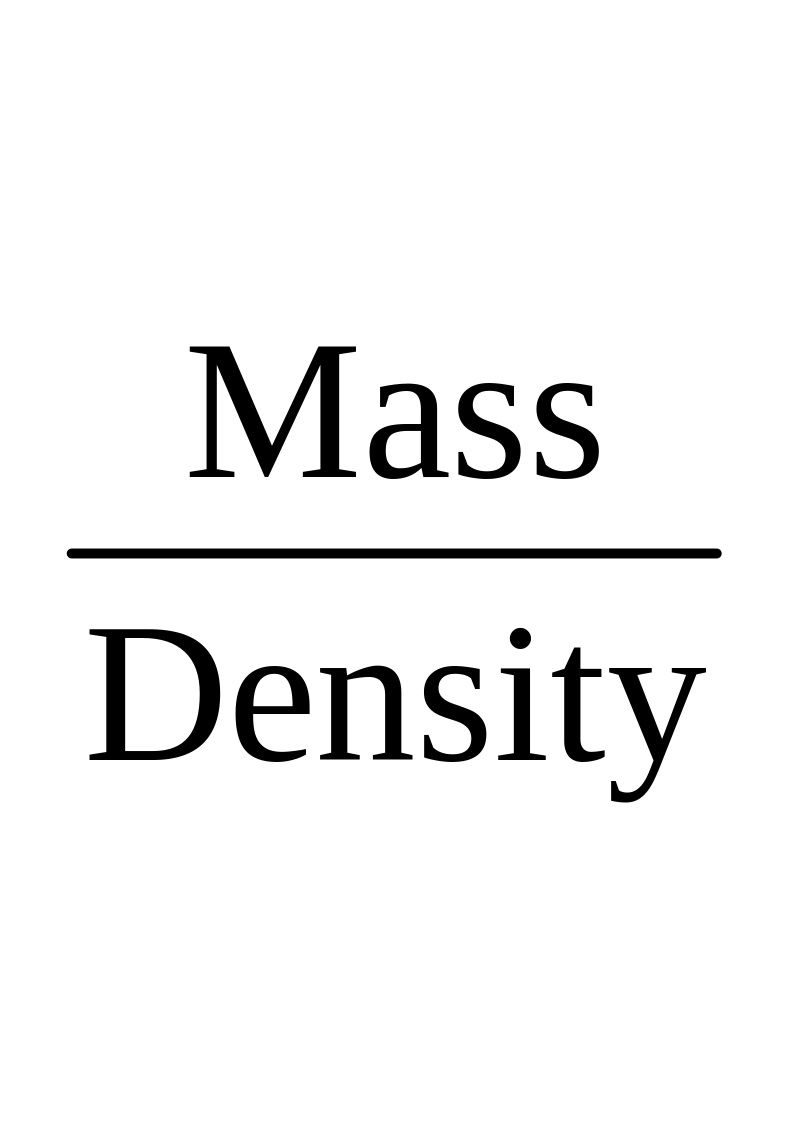
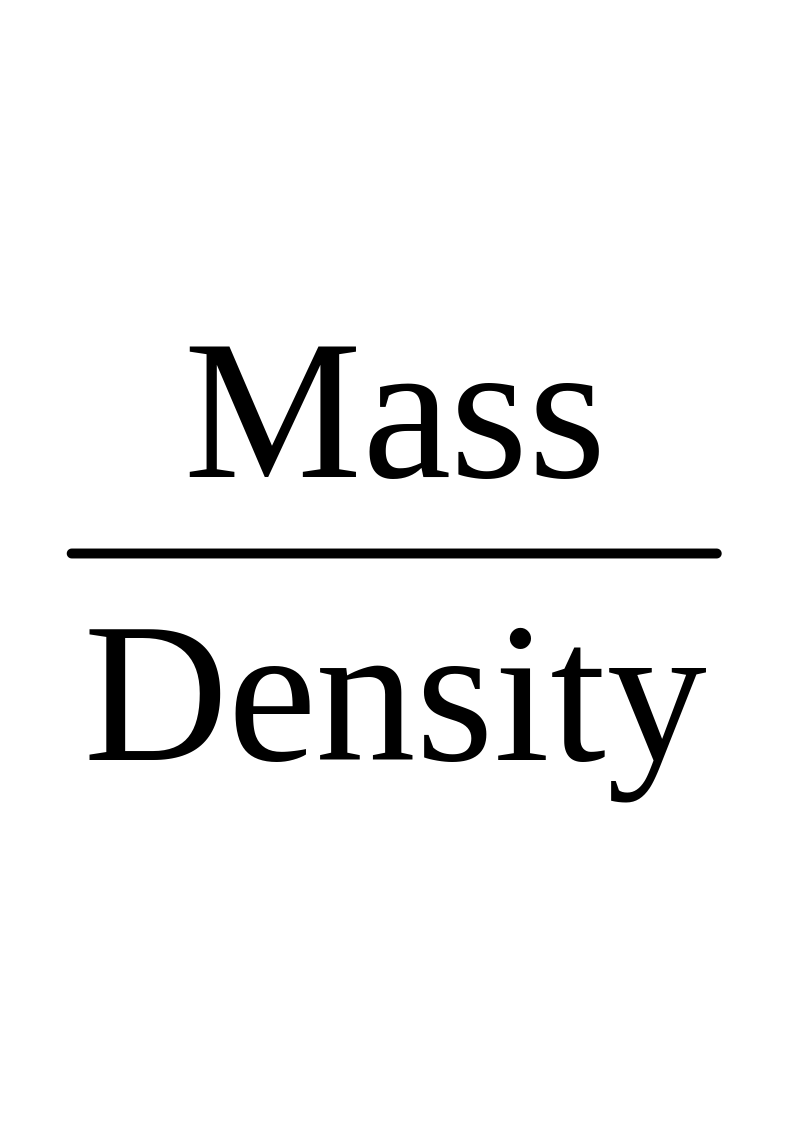
Volume =
By putting the values, we have
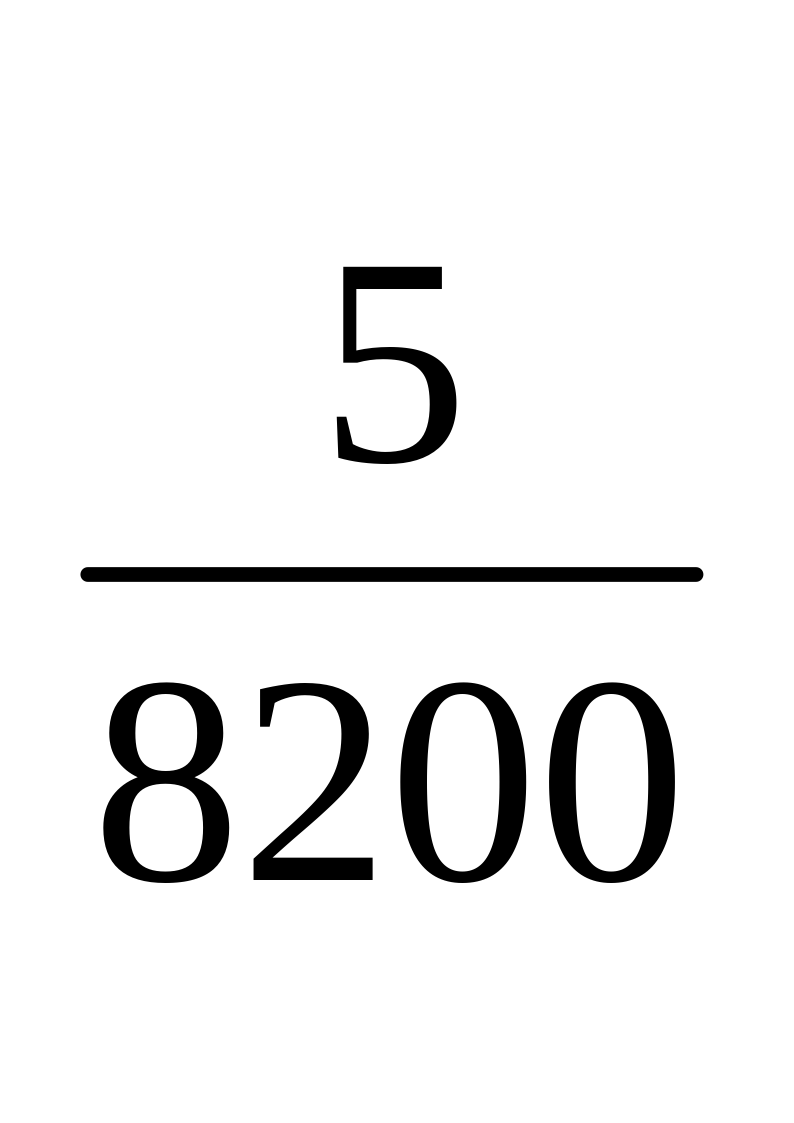
Volume =
Volume = 0.00069 m3
Numerical 4. OR Volume = 6.9 × 10⁻⁴ m3 200 g of lead shot having density 11300 kgm-3. (LHR 2013)
Given Data:
Mass of lead shot = m = 200 g = 0.2 kg
Density of lead = d = 11300 kgm-3
To Find:
Volume of lead shot = v = ?
Calculations:
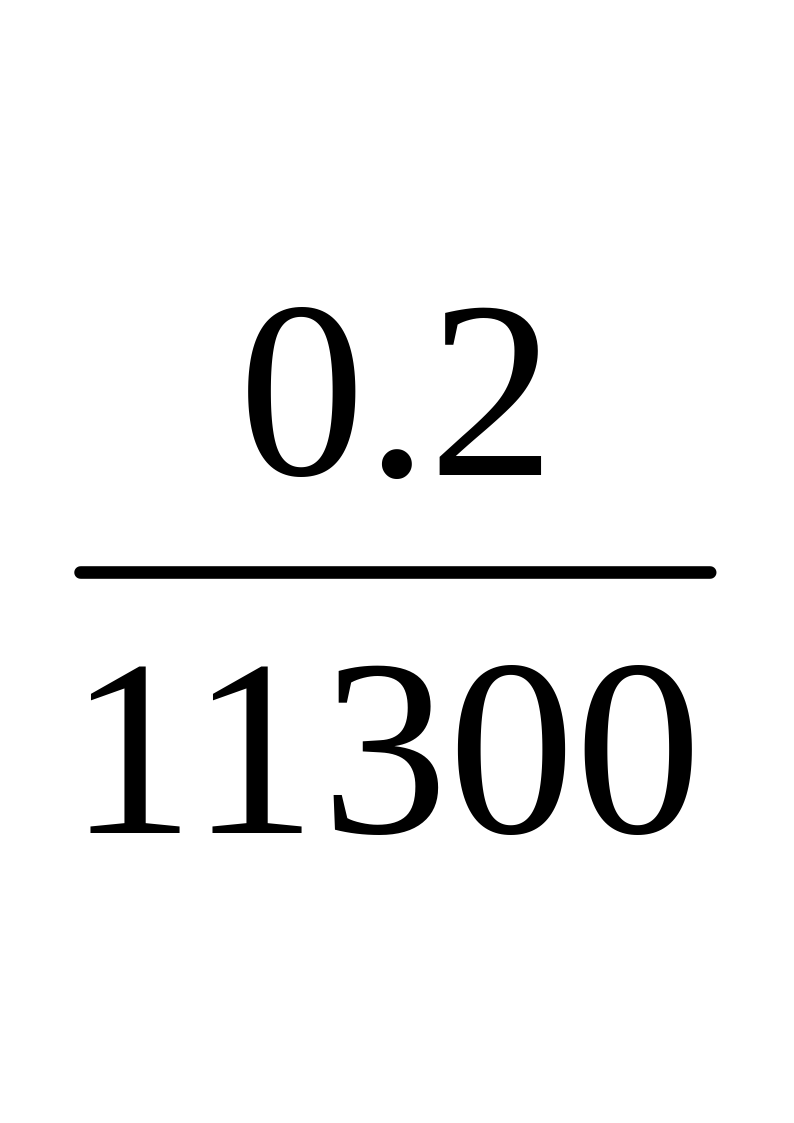
Numerical 5. As we know that Density = Volume = By putting the values, we have Volume = Volume = 0.000017699 m3 OR Volume = 1.77 × 10⁻⁵ m3 A gold bar of mass 0.2 kg. The density of gold is 19300 kgm-3. (LHR 2016)
Given Data:
Mass of gold bar = m = 0.2 kg
Density of gold = d = 19300 kgm-3
To Find:
Volume of gold bar = v =?
Calculations:
As we know that
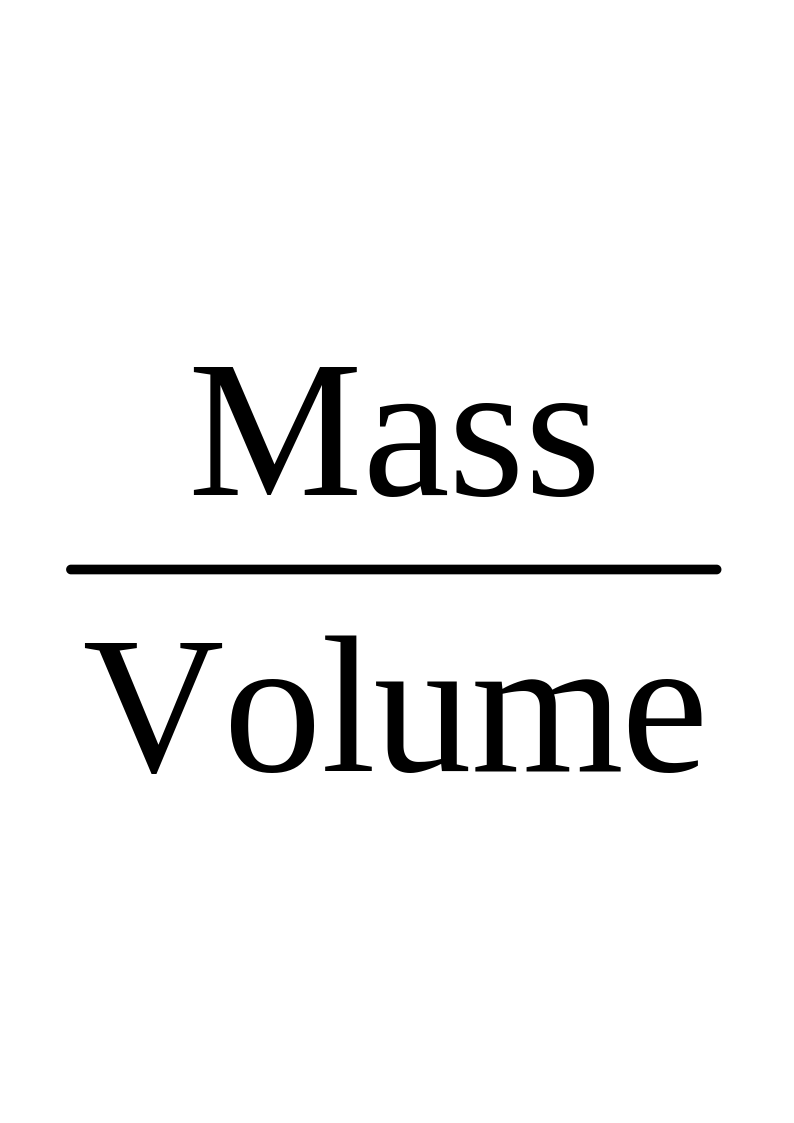
Density =
Volume =
By putting the values, we have
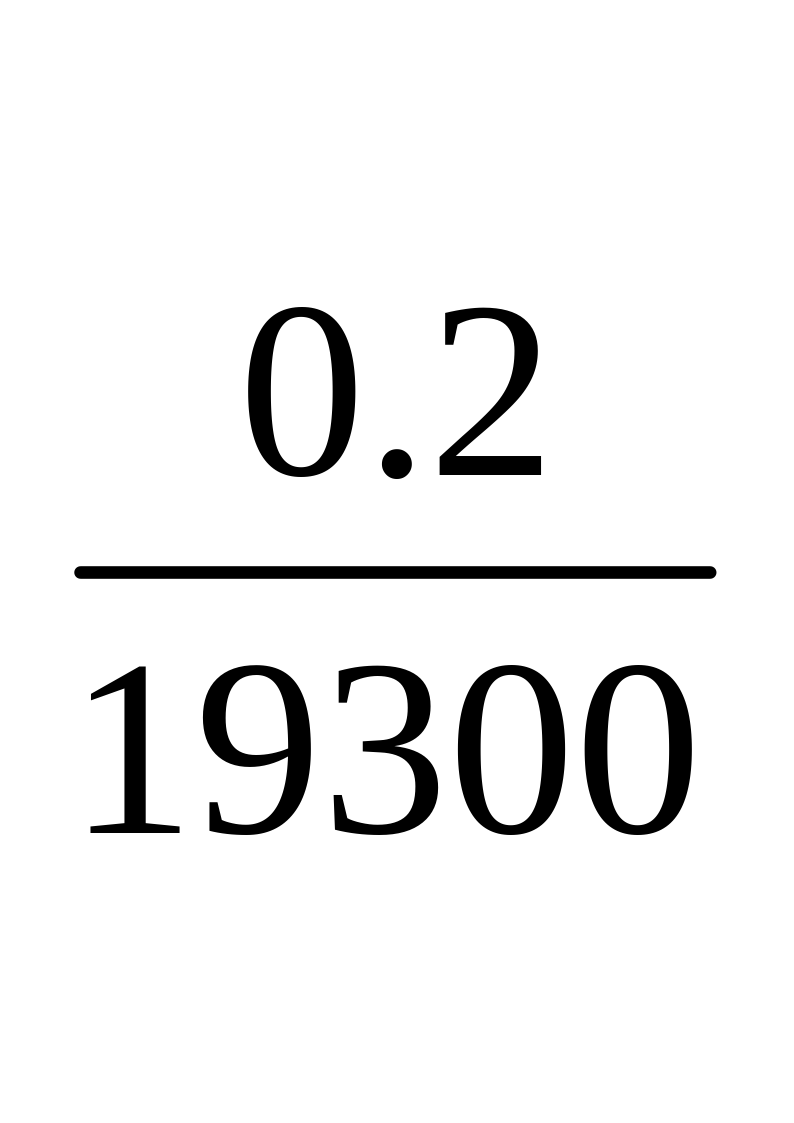
Volume =
Volume = 0.00001036 m3
OR Volume = 1.04 x 10⁻⁵ m3
Result:
Numerical 6. The density of air is 1.3 kgm-3. Find the mass of air in a room measuring 8 m x 5 m x 4 m. (GRW 2016)
Given Data:
Density of air = d = 1.3 kgm-3
Volume of air = v = 8 m x 5 m x 4 m = 160 m3
To Find:
Mass of air = m =?
Calculations:
As we know that
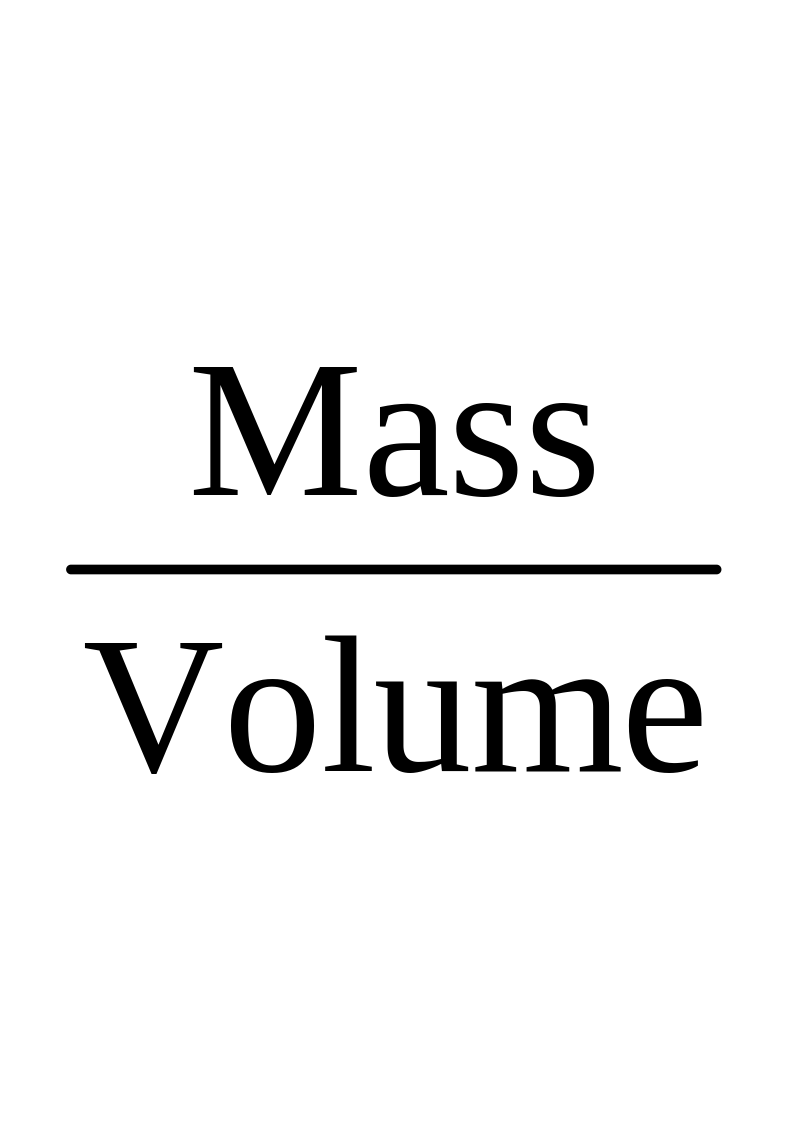
Density =
So
Mass = density x volume
By putting the values, we have
Mass = 1.3 x 160
Mass = 208 kg
Result:
Numerical 7. A student passes her palm by her thumb with a force of 75 N. How much would be the pressure under her thumb having contact area 1.5 cm2?
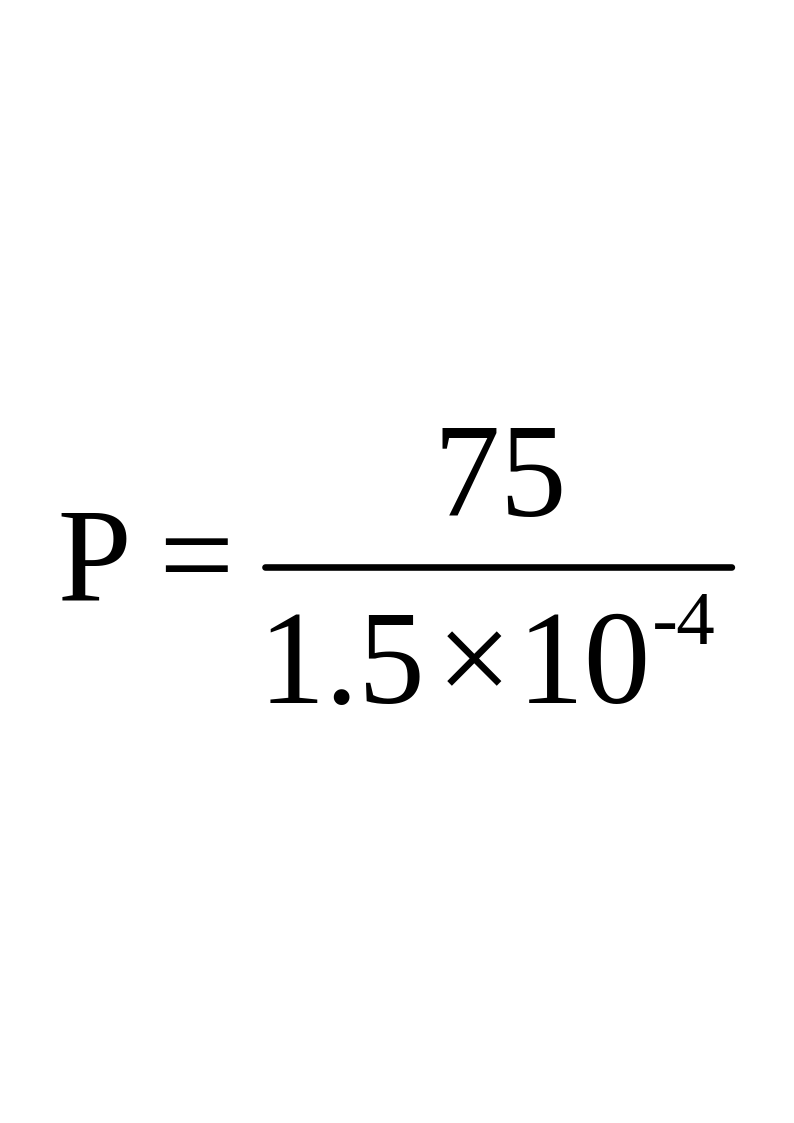
Given Data:
Force exerted by student = F = 75 N
Contact area = A = 1.5 cm2 = 1.5 x 10⁻⁴ m2
To Find:
Pressure under the thumb = P = ?
Calculations:
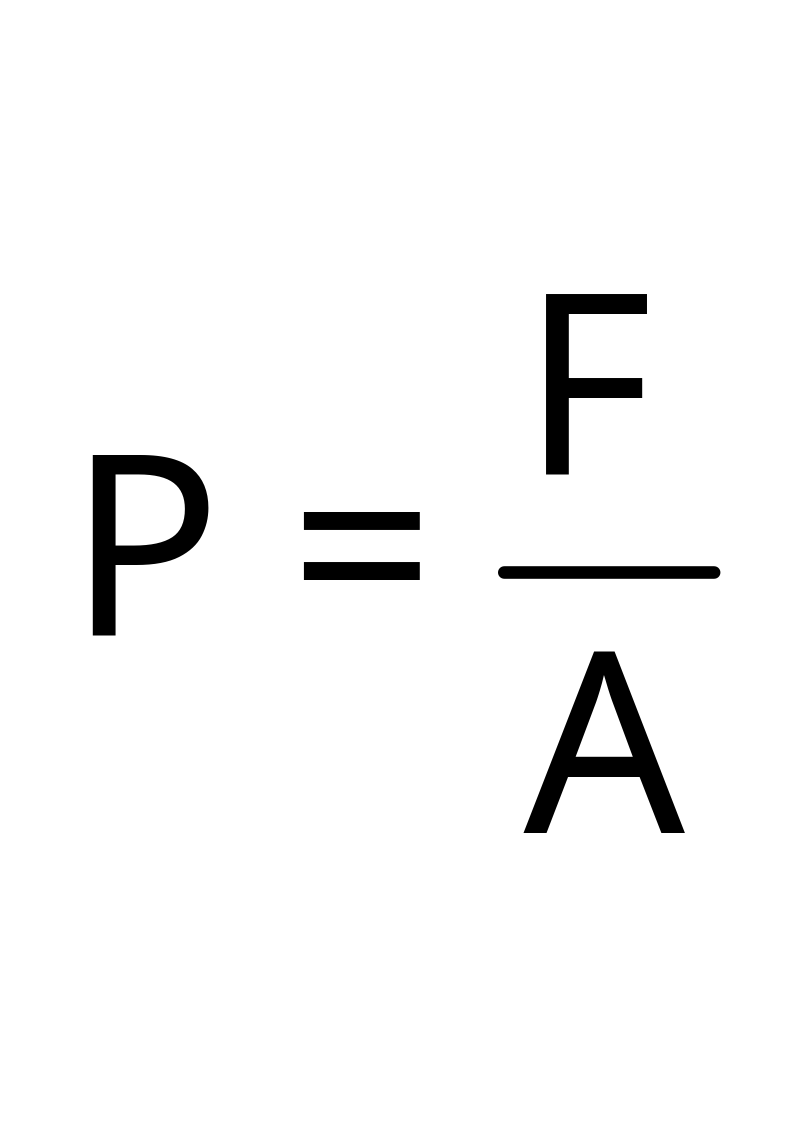
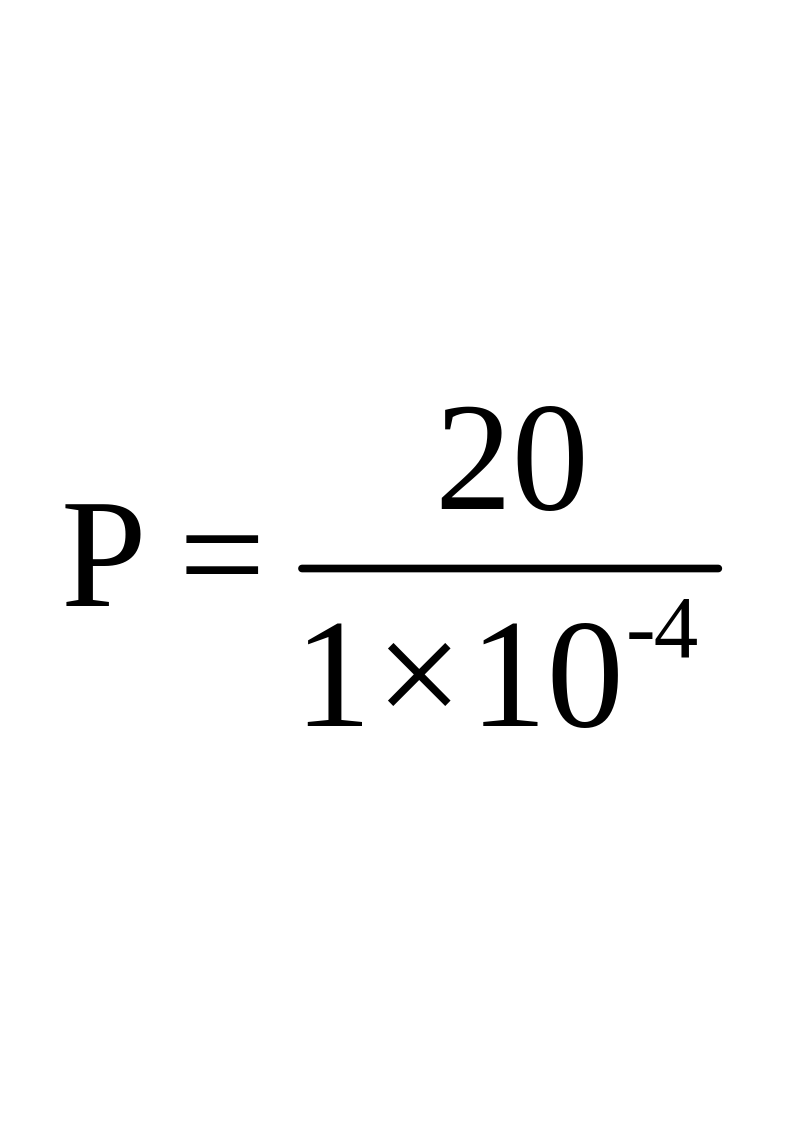
Numerical 8. As we know that By putting the values, we have P = 50 x 104 Nm-2 P = 5 x 10⁵ Nm-2 Result: The head of the pin is a square of side 10 mm. find the pressure on it due to a force of 20 N. (GRW 2014)
Given Data:
Force applied = F = 20 N
Side of head of pin = L = 10 mm = 10 x 10-3 m
Area of head of pin = A = L x L = 10 x 10-3 m x 10 x 10-3 m
= 100 x 10-6 m2 = 1 x 10⁻⁴ m2
To Find:
Pressure exerted by head of pin = P = ?
Calculations:
As we know that
By putting the values, we have
P = 20 x 104 Nm-2
P = 2 x 10⁵ Nm-2
Result:
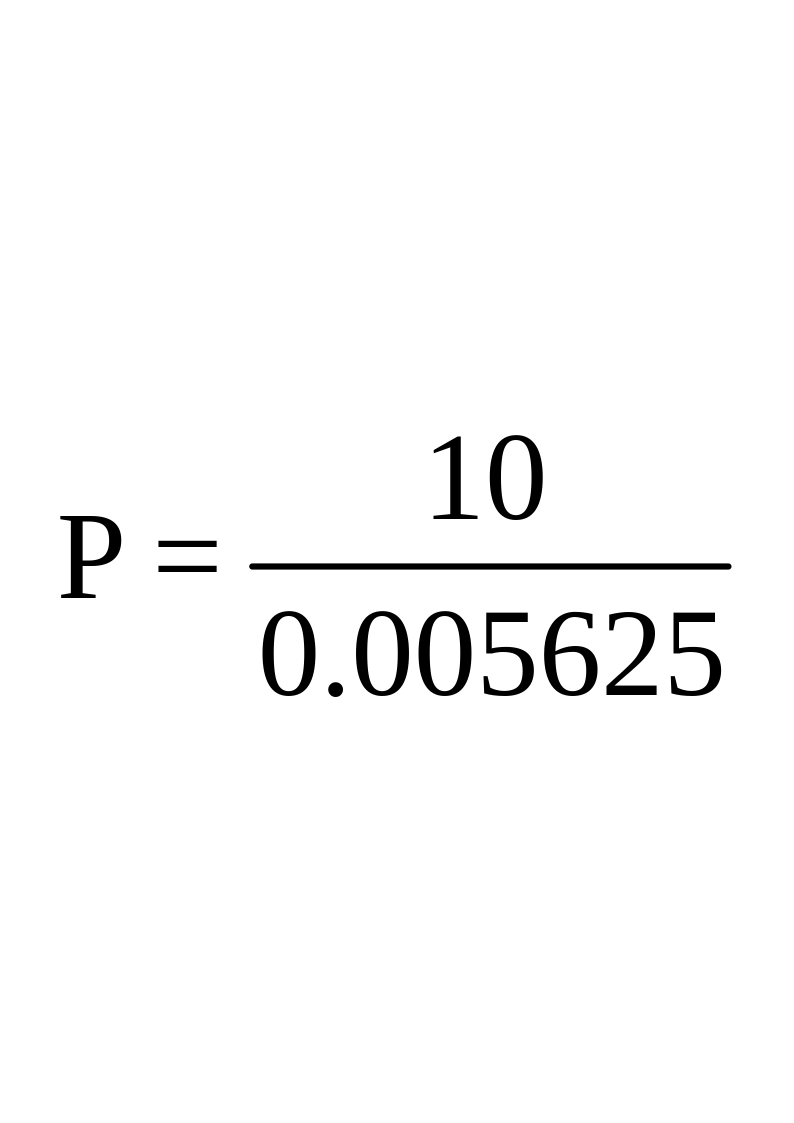
Numerical 9. A uniform rectangular block of wood 20 cm x 7.5 cm x 7.5 cm and of mass 1000 g stands on a horizontal surface with its longest edge vertical. Find The pressure exerted by the block on the surface Density of the wood
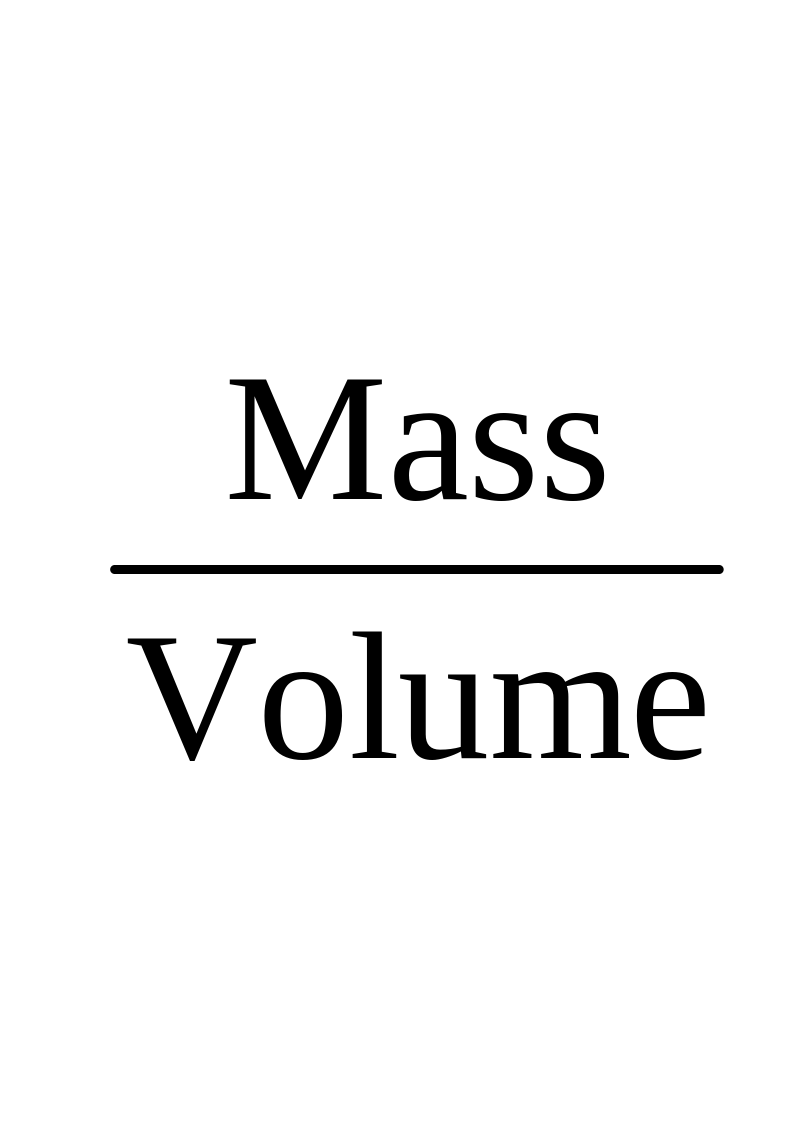
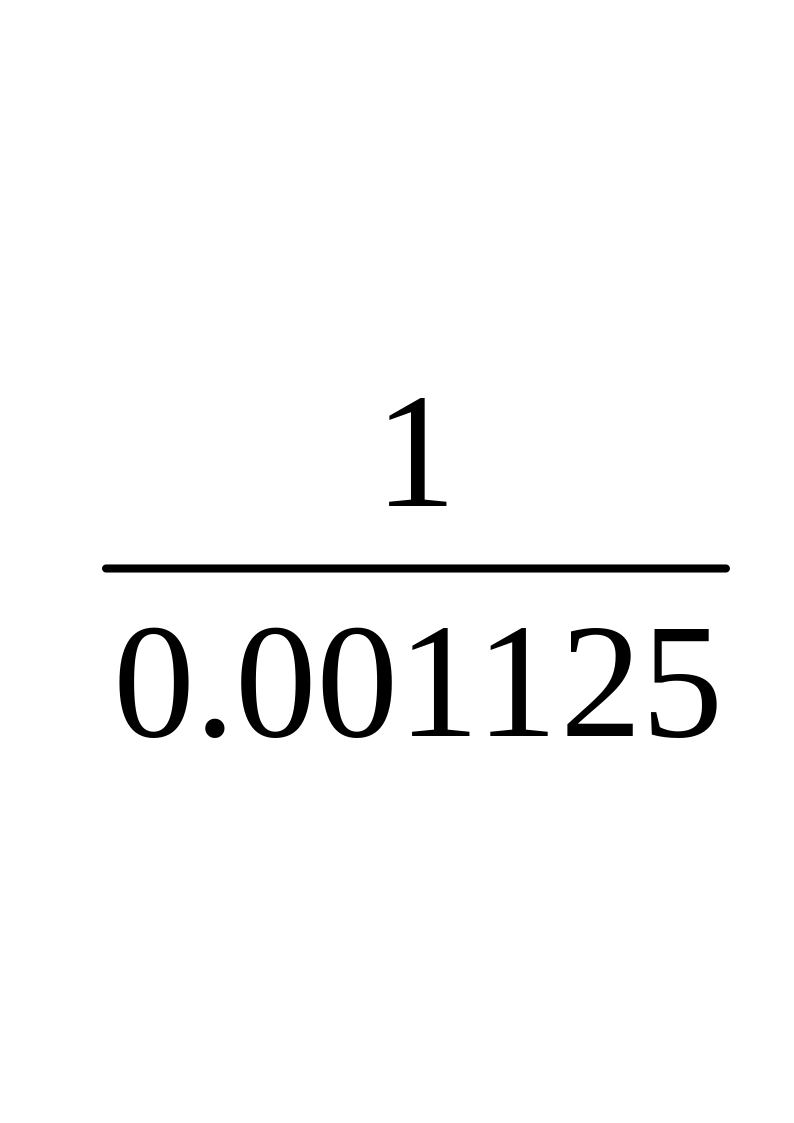

Given Data:
Mass of wooden block = m = 1000 g = 1 kg
Volume of wooden block = V = 20 cm x 7.5 cm x 7.5 cm
= 0.001125 m3 or 1.125 x 10⁻³
Area of wooden block = A = 7.5 cm x 7.5 cm
= 0.005625 m2 or 5.625 x 10⁻³ m2
To Find:
The pressure exerted by the block on the surface = P =?
Density of wood = d =?
Calculations:
As we know that
V = L x W x H
By putting the values, we have
V = 20 cm x 7.5 cm x 7.5 cm = 1125 cm3 = 0.001125 m3
Density =
By putting the values, we have
Density =
Density = 888.89 kgm-3 = 889 kgm-3
As we know that
By putting the values, we have
P = 1778 Nm-2
Result:
Numerical 10. A cube of glass of 5 cm side and mass 306g, has a cavity inside it. If the density of the glass is 2.55 gcm-3. Find the volume of the cavity.
Given Data:
Length of side of glass cube = L = 5 cm
Volume of glass cube = v = L3 = (5 cm)3 = 125 cm3
= 125 x 10-6 m3 = 1.25 x 10⁻⁴ m3
Mass of cube = m = 306 g = 0.306 kg = 3.06 x 10⁻¹ kg
Density of glass = d = 2.25 gcm-3 = 2.55 x 10³kg m-3
To Find:
Volume of cavity inside the glass cube = V =?
Calculations:
Volume without cavity = 1.25 x 10⁻⁴ m3
Volume with cavity = mass/density
= (3.06 x 10⁻¹)/(2.55 x 103)
= 1.20 x 10⁻⁴ m3
Volume of cavity = volume without cavity – volume with cavity
= 1.25 x 10⁻⁴ m3 – 1.20 x 10⁻⁴ m3
= 0.05 x 10⁻⁴ m3
= 5 x 10⁻⁶ m3 or 5 cm3
Result:
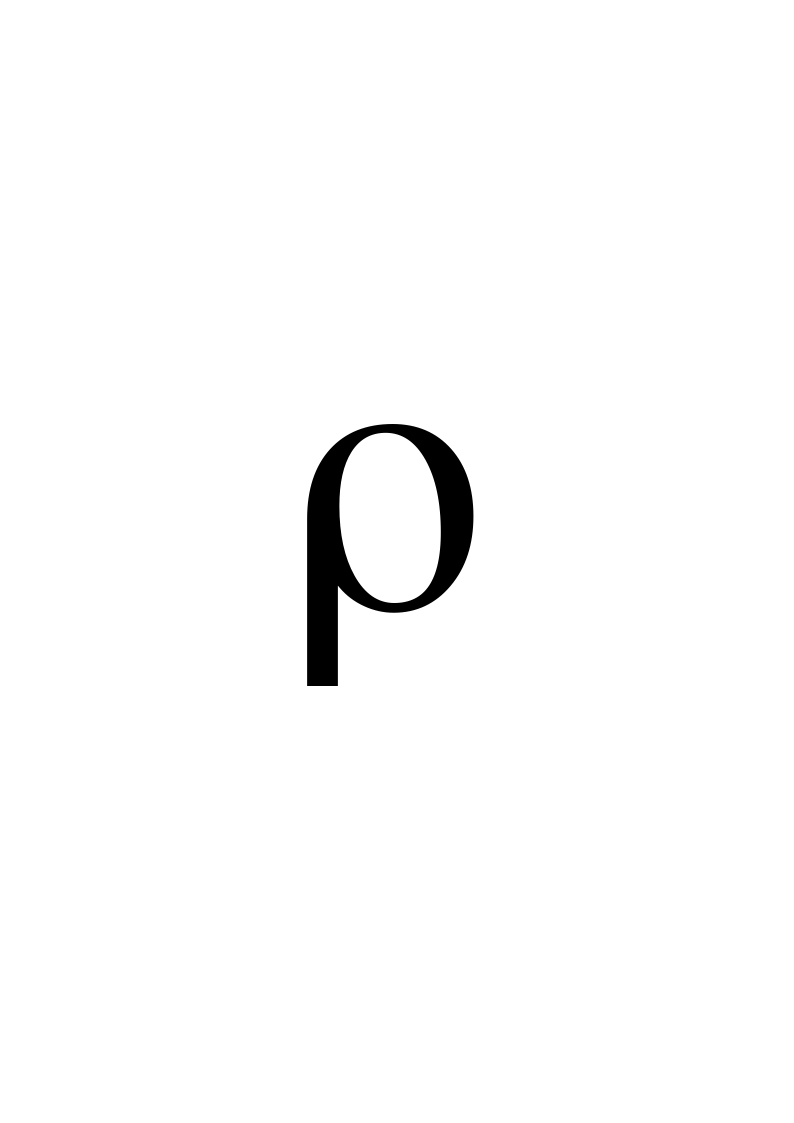
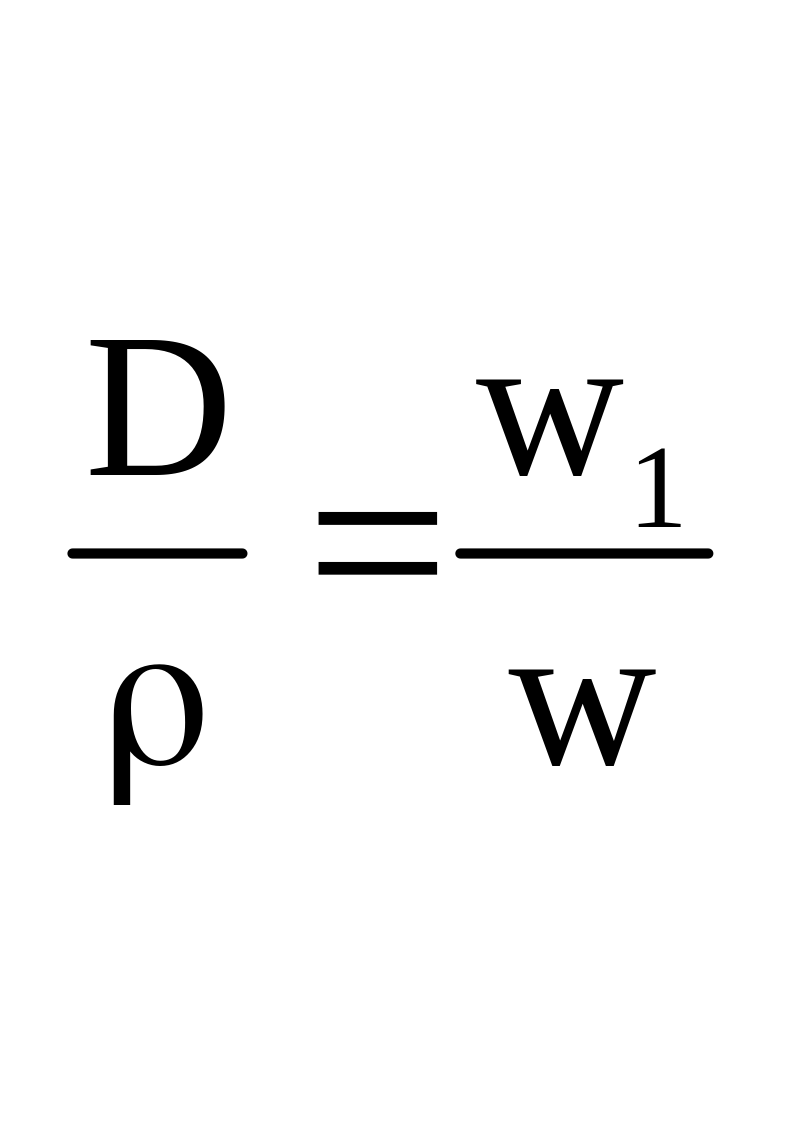
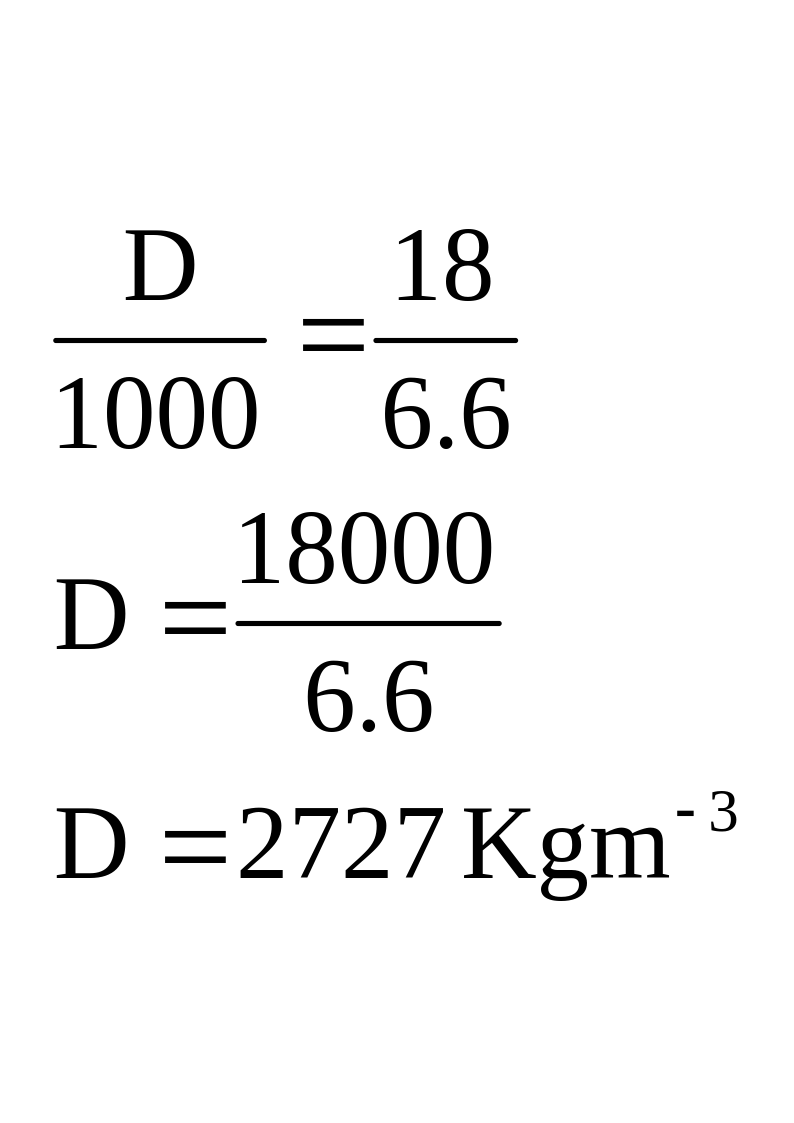
Numerical 11. An object has weight 18 N in air. Its weight is found to be 11.4 N when immersed in water. Calculate its density. Can you guess the material of the object? (GRW 2014)
Given Data:
Weight of object in air = w1 = 18 N
Weight of object in water = w2 = 11.4 N
Density of water = w = 1000 kgm-3
Gravitational acceleration = g = 10 ms-2
Weight of equal volume of water = w = w1 – w2 = 18 N – 11.4 N = 6.6 N
To Find:
Density of material = Dm =?
Name of material =?
Calculations:
As we know that
By putting the value, we have
Result:
Numerical 12. A solid block of wood of density 0.6 gcm-3 weighs 3.06 N in air. Determine: Volume of the block The volume of block immersed when placed freely in a liquid of density 0.9 gcm-3.
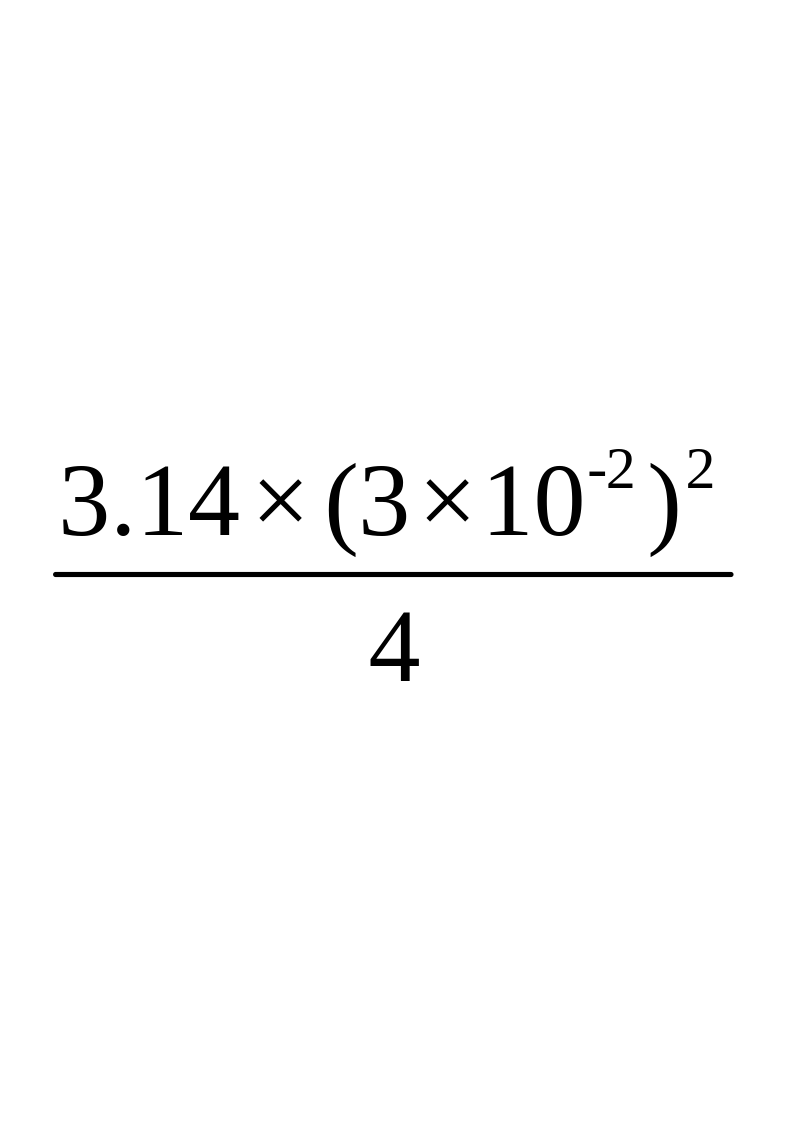
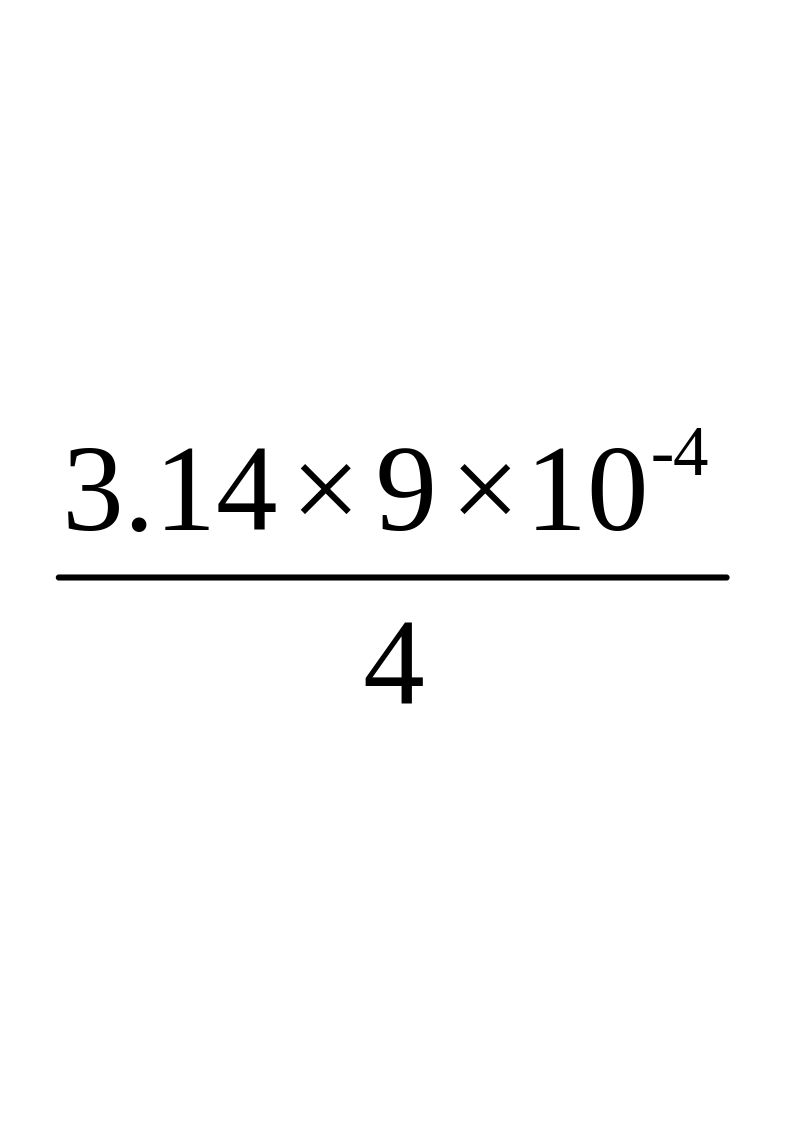
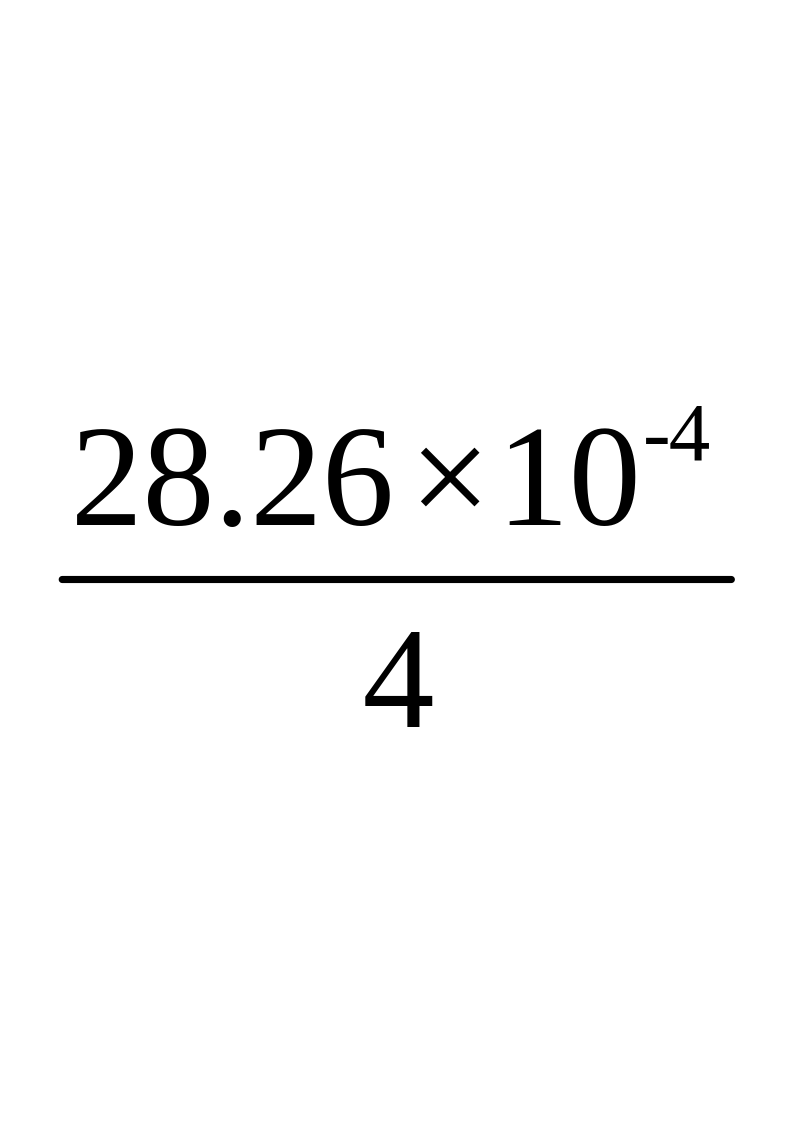
Given Data:
Density of wooden block = d = 0.6 gcm-3
Weight of the wooden block = w = 3.06 N
Density of liquid = dl = 0.9 gcm-3
To Find:
Volume of the wooden block = V1 =?
Volume of block when immersed in liquid = V2 =?
Calculations:
As we know that
Volume = mass/ density
V1 = 0.306/(0.6 x 103) = 0.51 x 10⁻³ m3 or 510cm3
Numerical 13. As we also know that Upward thrust = weight of the liquid displaced Weight = 10 x volume x density 3.06 = 10 x volume x 0.9 x 10³ Volume = 3.06/(9 x 103) V2 = 0.00034 m3 or 34 cm3 Result: The diameter of the piston of hydraulic press is 30 cm. How much force is required to lift a car weighing 20000 N on its piston, if the diameter of the piston of the pump is 3 cm. (GRW 2016)
Given Data:
Diameter of the piston of hydraulic press = D = 30 cm = 0.3 m
Diameter of the piston of pump = d = 3 cm = 0.03 m
Weight of the car lifted by hydraulic press = w = F2 = 20000 N
To Find:
Force applied on piston of pump = F1 =?
Calculations:
As we know that
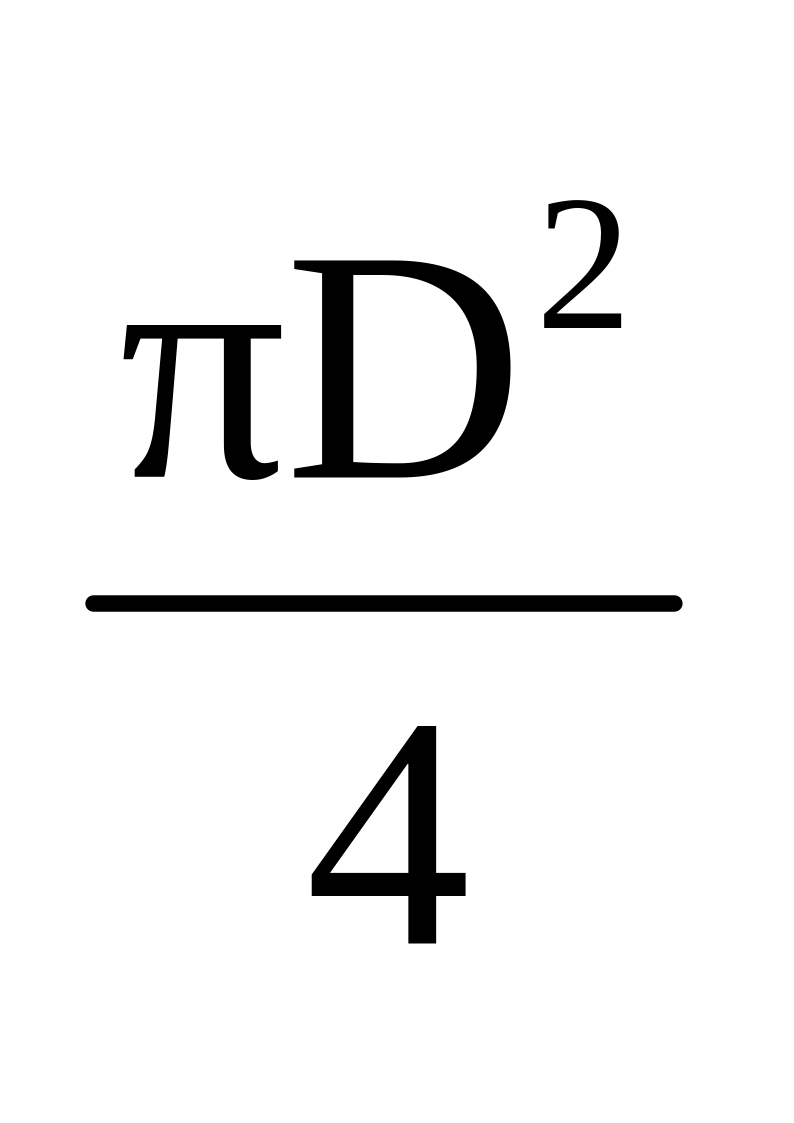
A =
Larger Piston:
By putting the values, we have
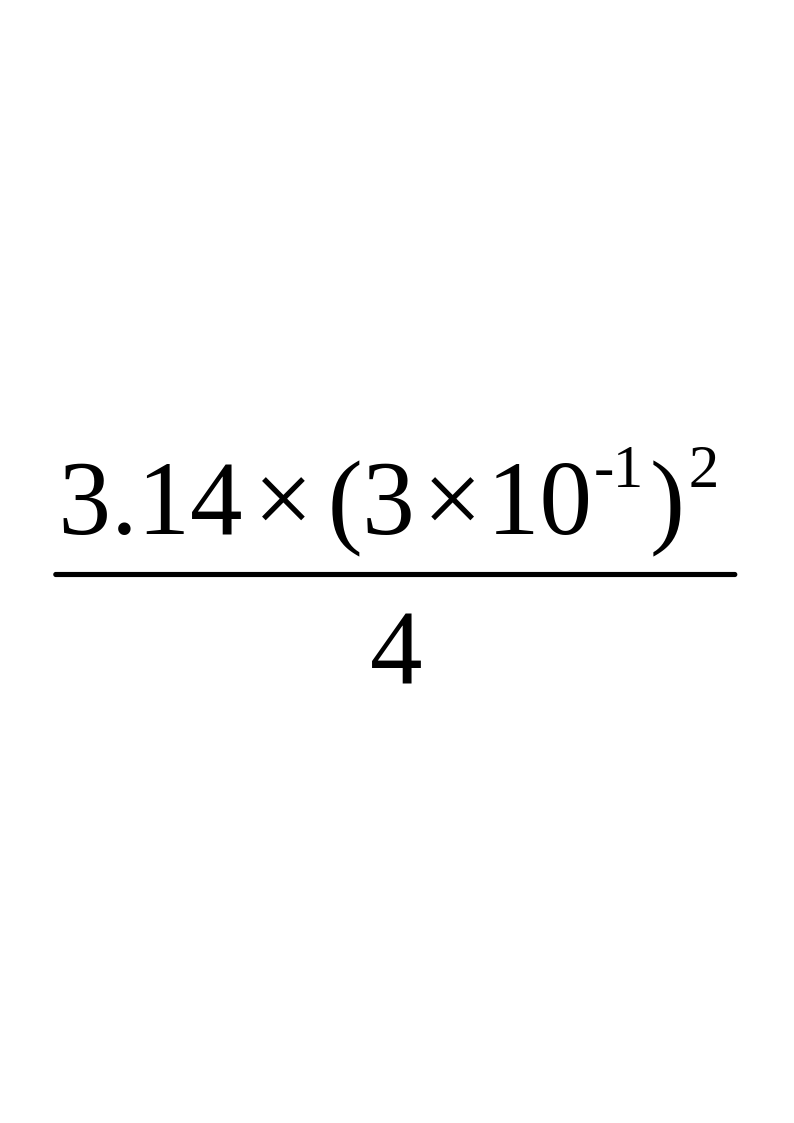
A =
A =
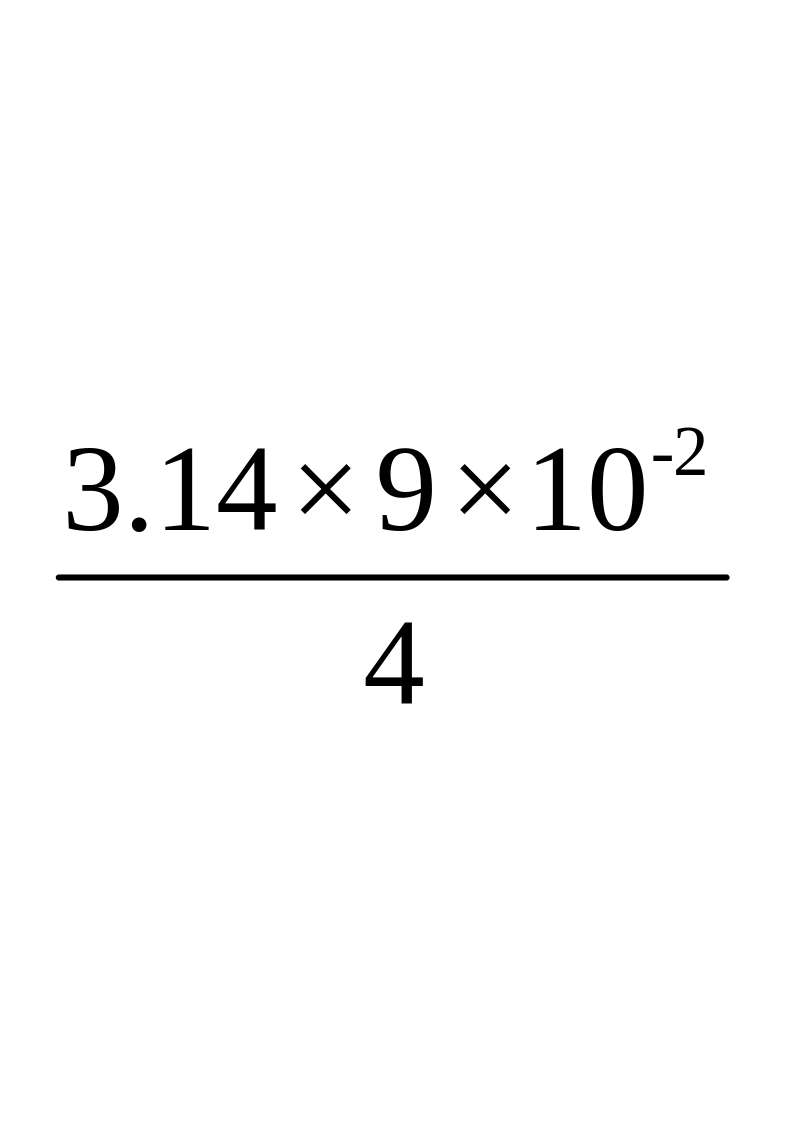
A =
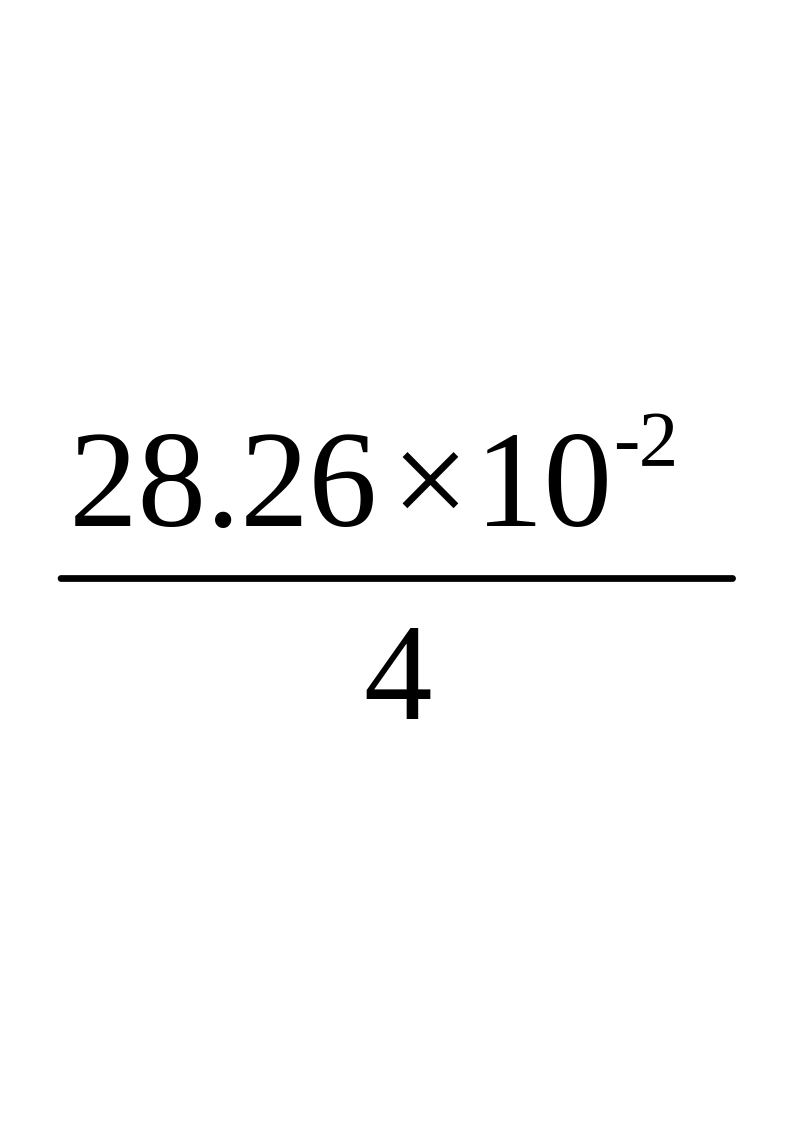
A = 7.065 x 10⁻² m2
Smaller Piston:
By putting the value, we have
a =
a =
a =
a = 7.065 x 10⁻⁴ m2
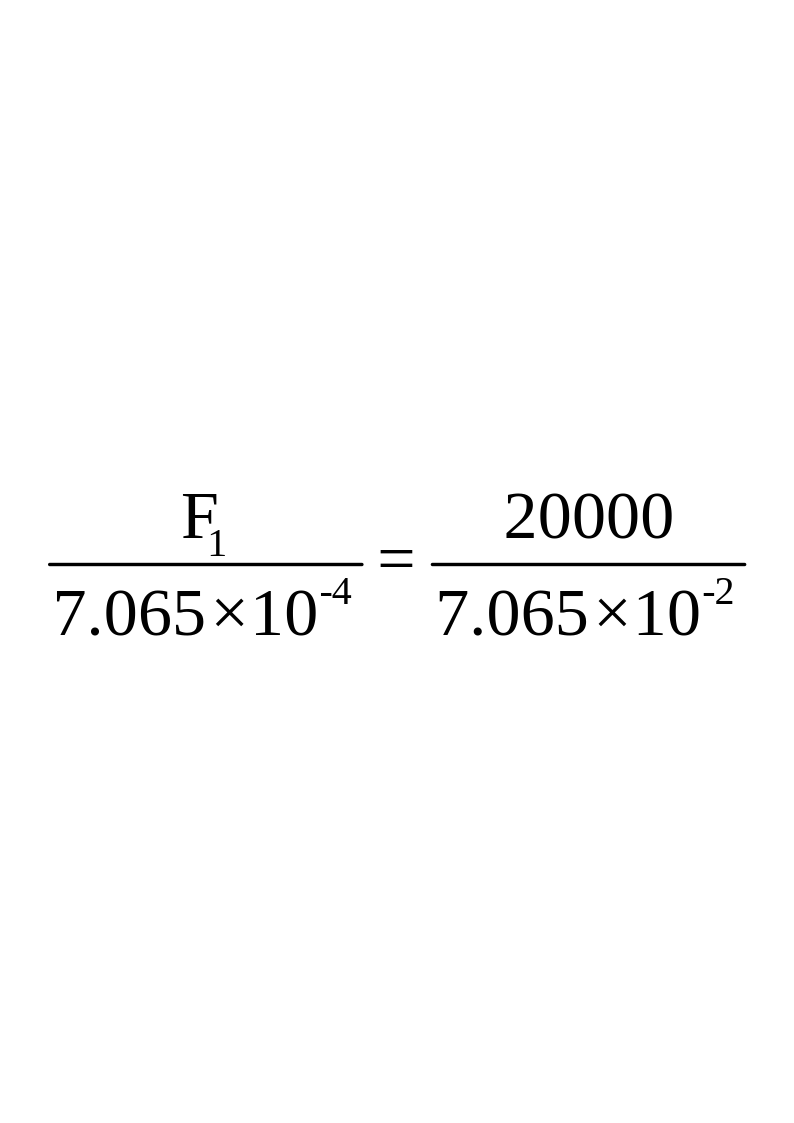
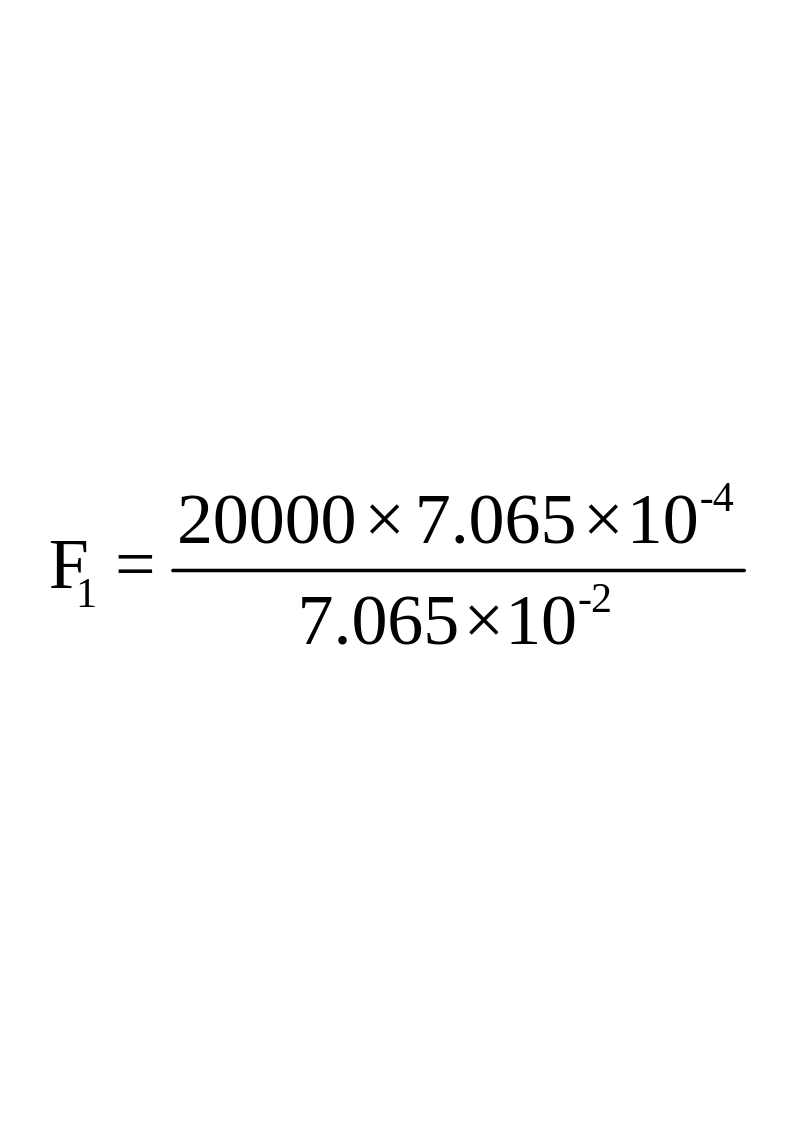
From Pascal’s law, we have
By putting the values, we have
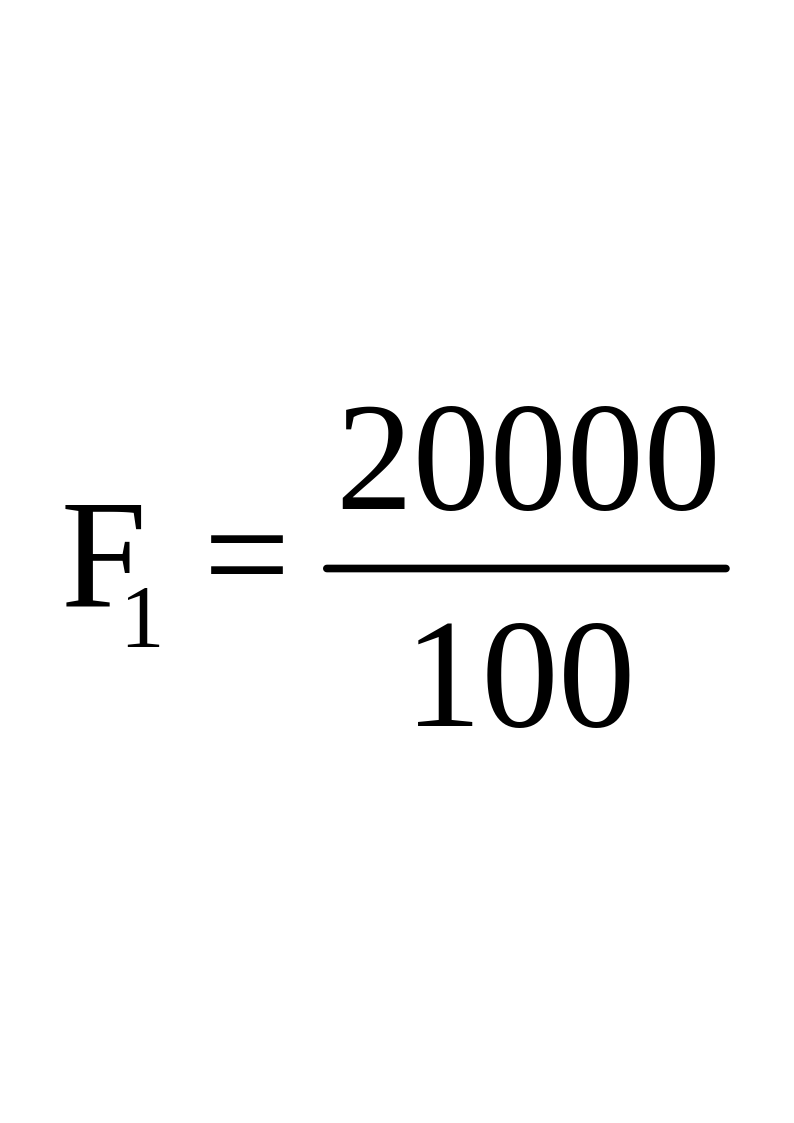
F1 = 200 N
Result:
Numerical 14. A steel wire of cross-sectional area 2 x 10⁻⁵ m2 is stretched through 2 mm by a force of 4000 N. Find the young’s modulus of the wire. The length of the wire is 2m.
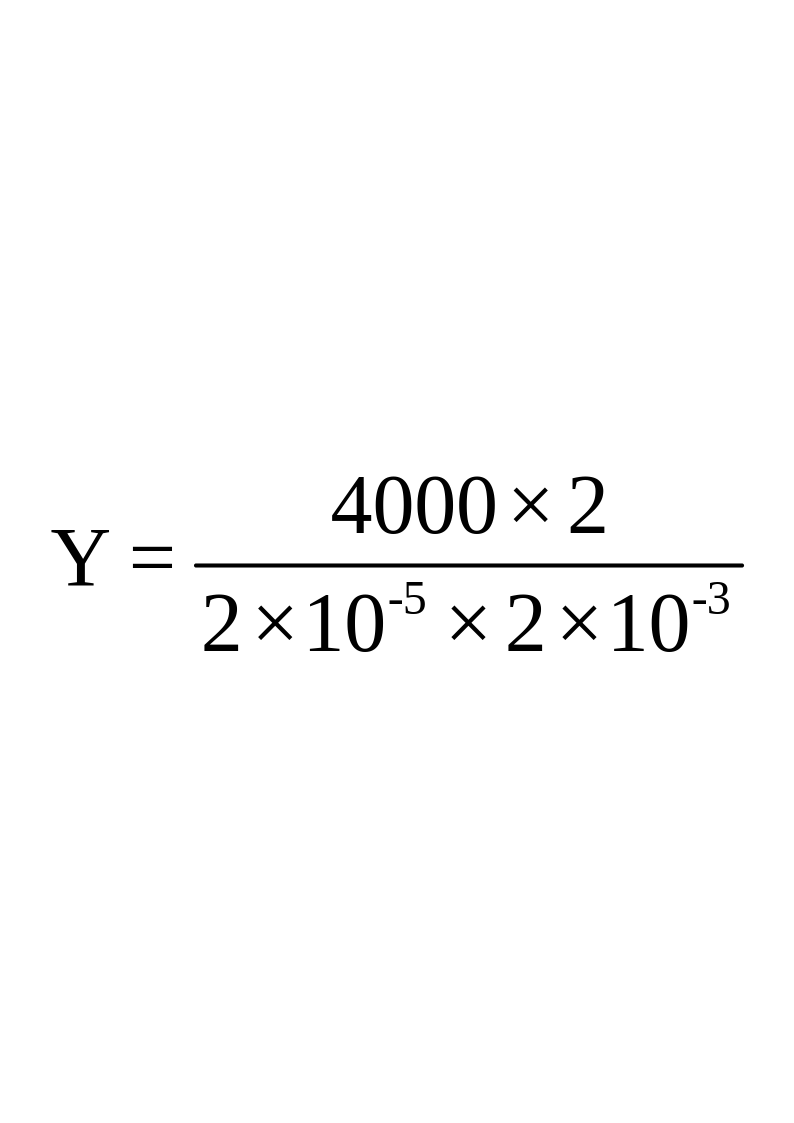
Given Data:
Length of the wire = Lo = 2 m
Area of steel wire = A = 2 x 10⁻⁵ m2
Increase in length of wire = ΔL = 2 mm = 2 x 10⁻³ m
Force applied = F = 4000 N
To Find:
Young’s modulus of wire = Y =?
Calculations:
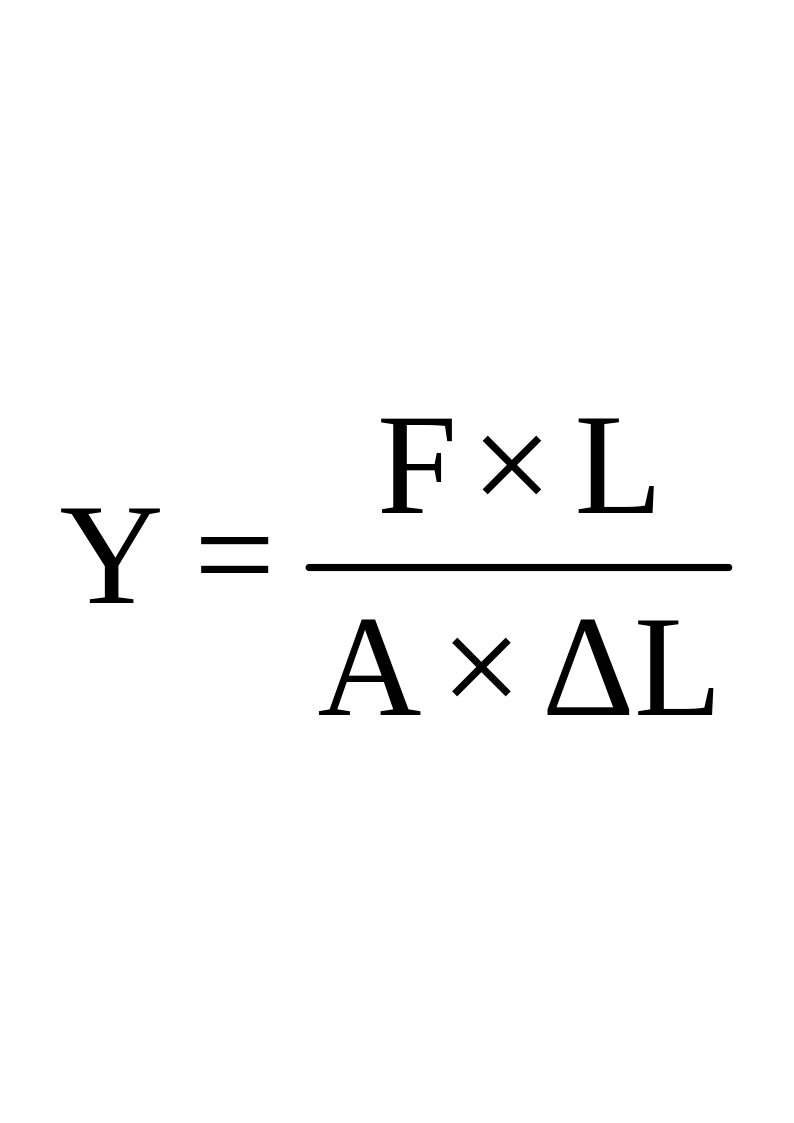
As we know that
By putting the values, we have
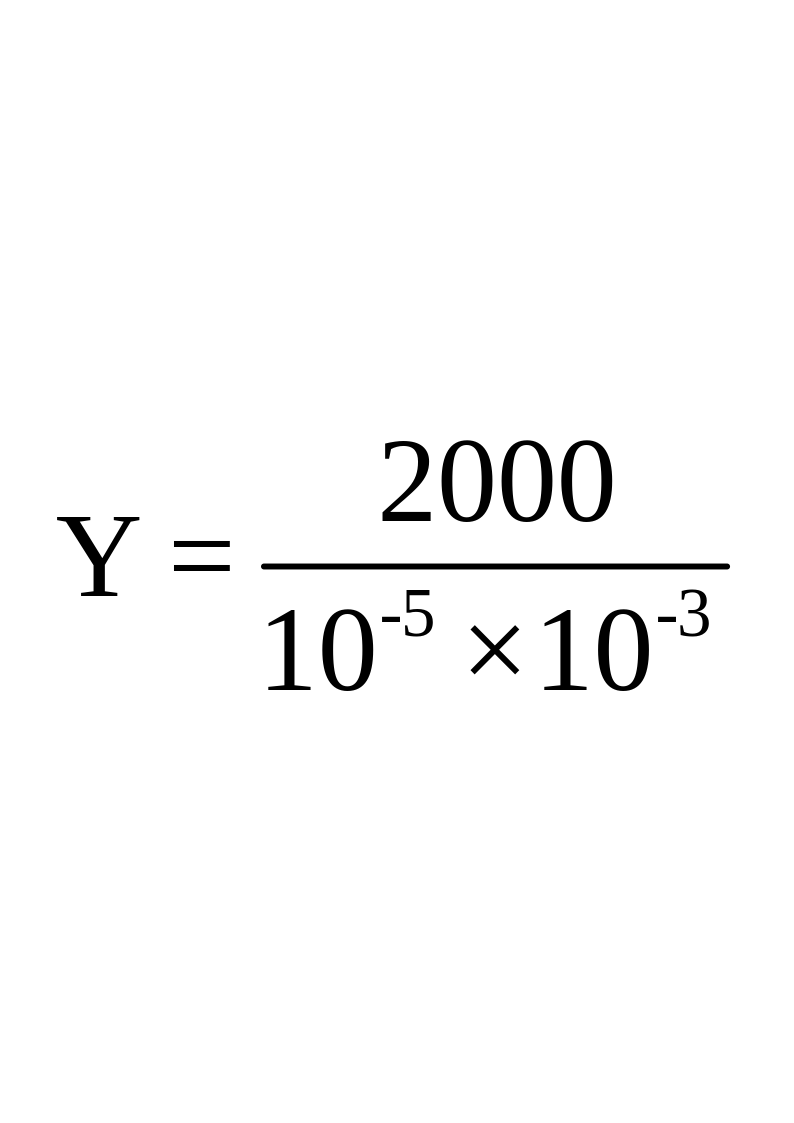
Y = 2000 x 108 Nm-2 = 2 x 103 x 108 Nm-2
Y = 2 x 10¹¹ Nm-2
Result:
TB.ST Self Test
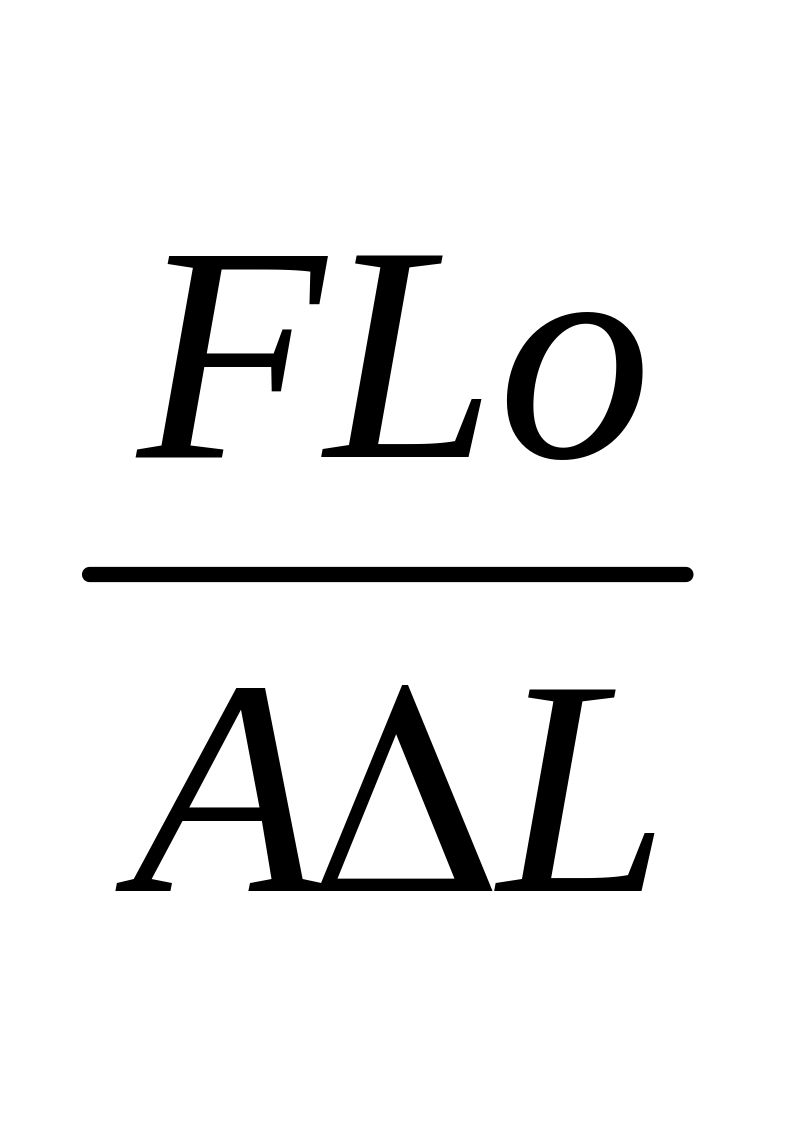
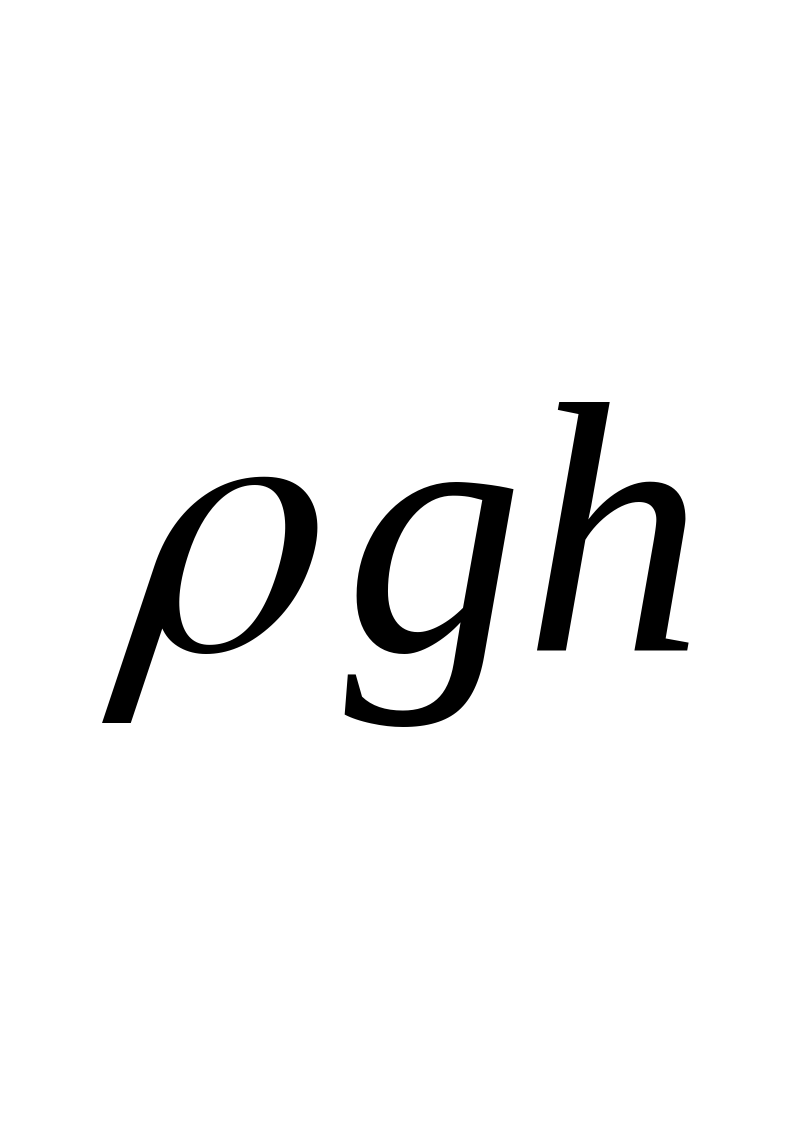
Long Questions
Q1. What do you mean by pressure of liquids? Also prove that P= gh.
Q2. What would be the volume of ice formed by freezing 1 litre of water?
Q3. Note:
Q4. Parents or guardians can conduct this test in their supervision in order to check the skill of students.
Short Questions
Q1. Why water is not suitable for use, in place of mercury in barometer?
Q2. The weight of metal spoon in air is 0.48N its weight in water is 0.42 N; Find its density and also name the type of metal.
Q3. Show elastic limit by drawing a graph between force and extension.
Q4. Why does a needle sink while a large wooden log floats?
Q5. Why do we feel greater pressure under the ocean as compared to fresh water of same depth?